Sludge Digestion and Biosolids Questions
Sludge handling is listed on the California Grade I and II exams and as sludge digestion and biosolids disposal in Texas. Practice what happens to the solids.
100 questions across the published subjects, with a score for every area and an explanation for every option.
Or try the free sludge and biosolids drill- 31 original sludge and biosolids questions, every option explained
- Tested on 6 of our 25 practice exams
A digester's pH is falling and gas production is dropping. What is a common first response?
What our sludge and biosolids questions cover
- Primary and waste sludge, thickening and pumping
- Anaerobic digestion: temperature, mixing, VA/alkalinity, gas and safety
- Aerobic digestion and lime stabilization
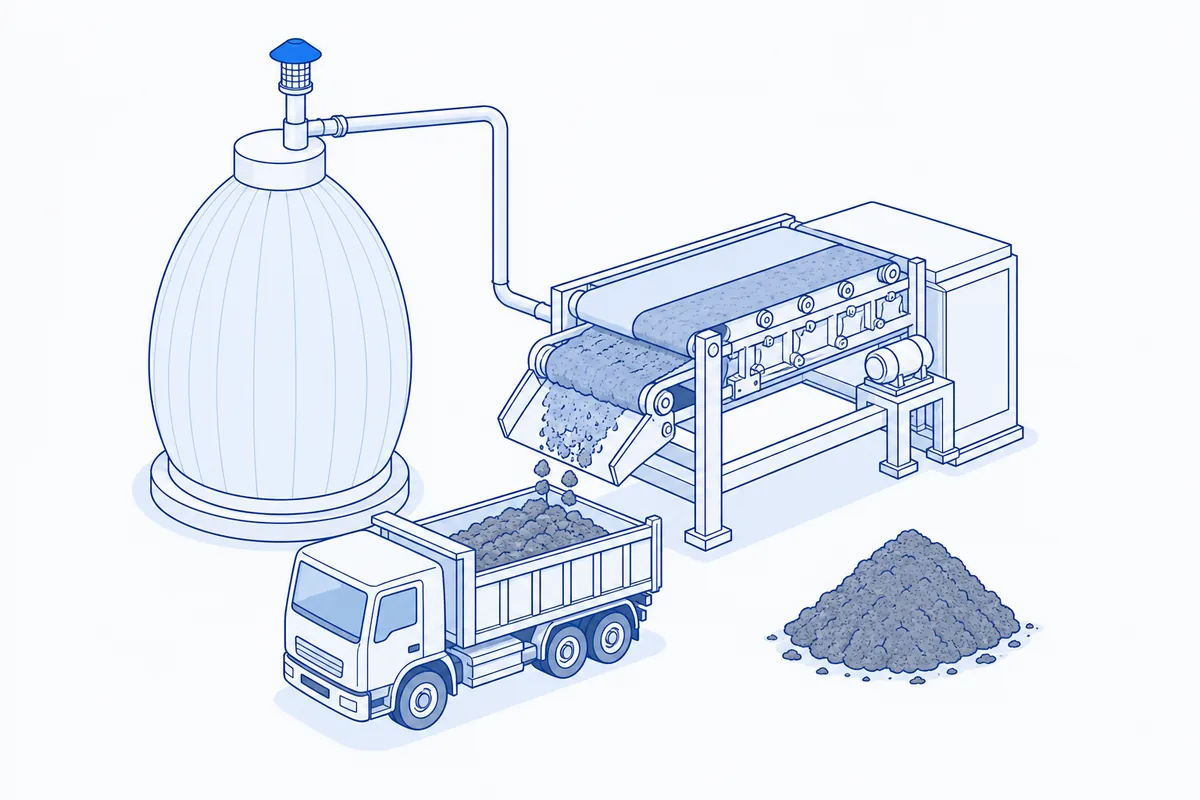
- Dewatering: belt presses, centrifuges, drying beds and polymer
- Part 503: Class A and B, vector attraction reduction, agronomic rates
This list is our own summary, written for practice. The exam owners publish their outlines: California’s Expected Range of Knowledge, TCEQ’s Need-to-Know Criteria and WPI’s Need-to-Know Criteria.
Drill sludge and biosolids, then sit a full practice exam
100 questions across the published subjects, with a score for every area and an explanation for every option.
Or try the free sludge and biosolids drillIdeas the questions test most
- A rising VA/alkalinity ratio warns of a souring digester.
- Digester gas is about 60–70% methane and explosive in air.
- 38% volatile solids reduction is one Part 503 vector option.
- Supernatant is a strong return stream.
Start the free sludge and biosolids drill · TCEQ Class D Wastewater practice test · California Wastewater Grade I practice test · California Wastewater Grade II practice test · TCEQ Class C Wastewater practice test · Wastewater Treatment Class I practice test · Wastewater Treatment Class II practice test
Common questions
What is the difference between Class A and Class B biosolids?
Class A has pathogens reduced below detectable levels and few use restrictions; Class B has reduced pathogens and site restrictions on land application.
What should be done when a digester starts to sour?
Reduce or stop raw sludge feed, keep temperature steady and add alkalinity if needed so the methane formers can catch up.
100 questions across the published subjects, with a score for every area and an explanation for every option.
Or try the free sludge and biosolids drillMore operator topics
Outlines used for these questions: Expected Range of Knowledge, Drinking Water Treatment Exam (rev. 4/2020, PDF) · Expected Range of Knowledge, Drinking Water Distribution Exam (rev. 4/2020, PDF) · TCEQ: Need-to-Know Criteria for public water system operators · TCEQ: What applicants for wastewater licenses need to know · WPI: 2025 Need-to-Know Criteria.
Game Assessment Prep is an independent practice site, not affiliated with or endorsed by Water Professionals International (WPI, formerly ABC), the California State Water Resources Control Board or the Texas Commission on Environmental Quality. Every question is original; none is taken from a certification exam, an official study guide or another prep provider.