Free FNP Practice Test (AANP and ANCC Family Nurse Practitioner Exams)
Family nurse practitioner board practice questions written to the AANPCB and ANCC blueprints, with an explanation for every answer.
A 26-year-old has bloating, diarrhea, weight loss and iron deficiency anemia. Which test is the best initial screen for the suspected disorder while she is still eating gluten?
572 original questions · a timed 150-question AANPCB exam and a 175-question ANCC exam · 139 pharmacology questions in their own drill
FNP practice questions by content area
Both board exams test the same family practice knowledge in different blueprints. Each content area has a guide with free sample questions and a free ten-question drill with an explanation after every answer; each exam has its own timed practice exam.

Cardiovascular and Hematology
60 questions
Hypertension, lipids and statins, chest pain, heart failure, atrial fibrillation and anticoagulation, murmurs, peripheral arterial and venous disease, and anemias.
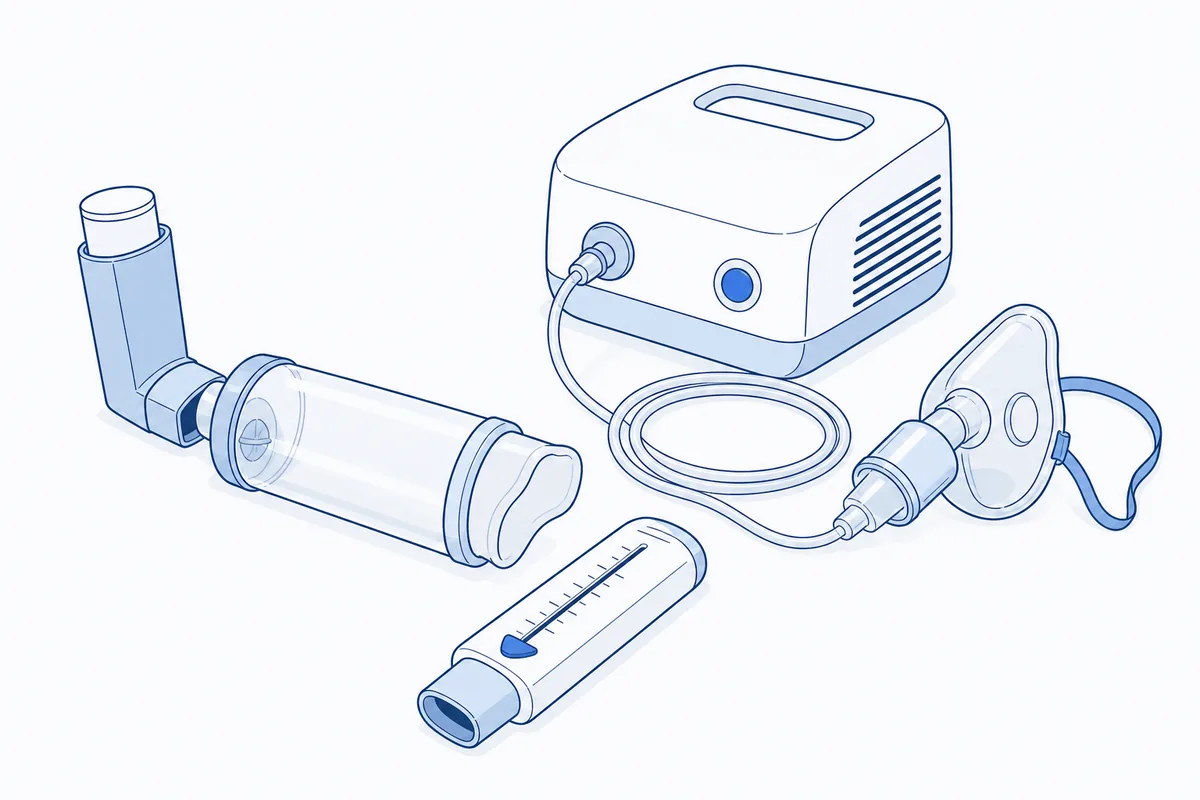
Respiratory
49 questions
Asthma and COPD step therapy, spirometry, pneumonia and CURB-65, bronchitis, tuberculosis testing, pulmonary embolism, lung cancer screening and smoking cessation.
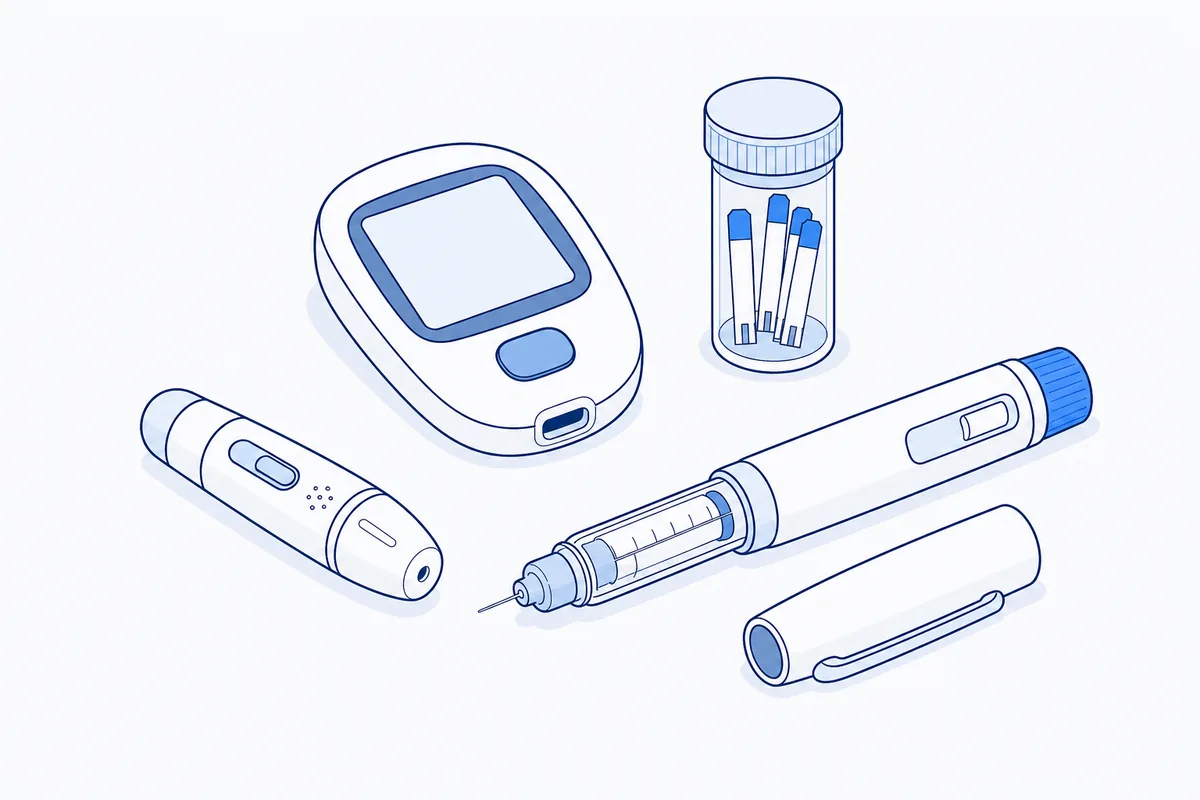
Endocrine and Metabolic
48 questions
Type 1 and type 2 diabetes diagnosis and drug choice, A1C targets, thyroid disease, adrenal and pituitary disorders, obesity and metabolic syndrome, and gout.

Gastrointestinal
43 questions
GERD and peptic ulcer disease, H. pylori, abdominal pain, appendicitis and cholecystitis, hepatitis, IBS and inflammatory bowel disease, colorectal cancer screening.
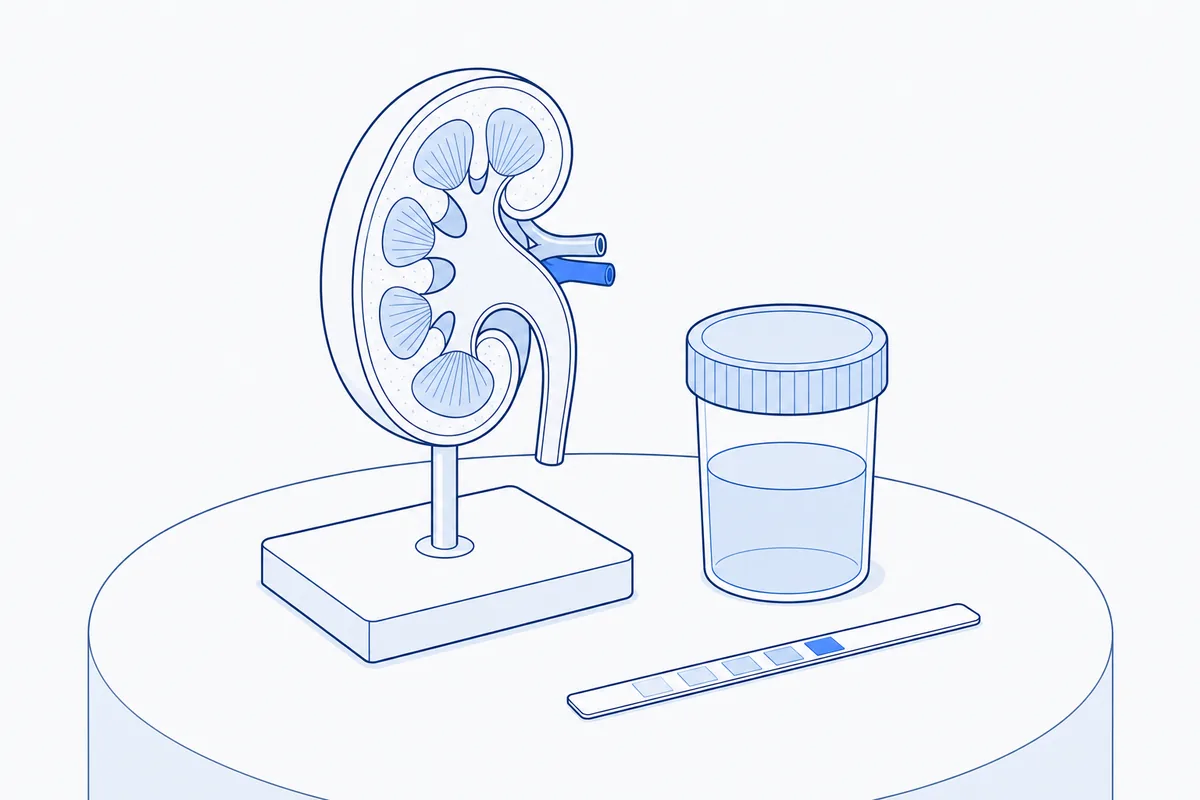
Renal, Urinary and Men’s Health
44 questions
Urinary tract infections, kidney stones, chronic kidney disease staging, electrolytes, incontinence, BPH and prostate cancer screening, testicular conditions and STIs in men.
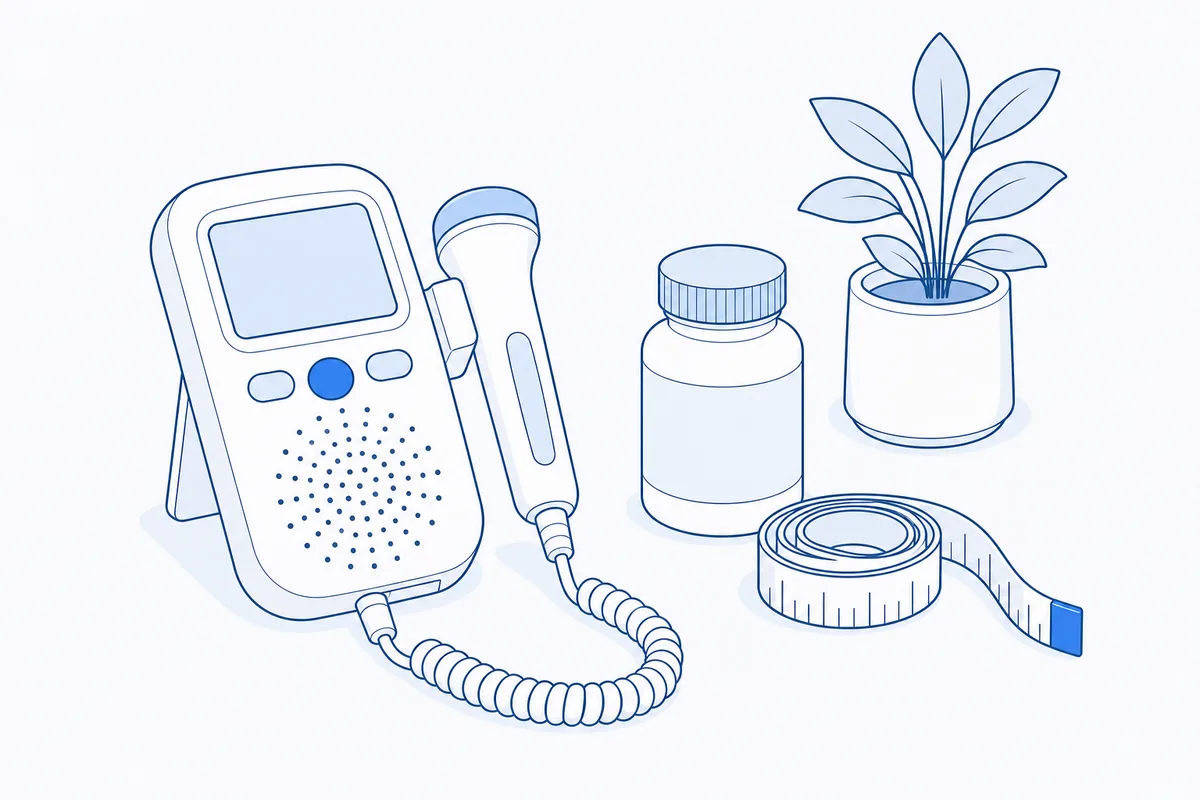
Women’s Health and Prenatal Care
50 questions
Contraception, cervical and breast cancer screening, vaginitis and STIs, abnormal uterine bleeding, menopause, osteoporosis, prenatal care and drugs in pregnancy and lactation.

Pediatrics and Adolescents
68 questions
Newborn assessment, growth and developmental milestones, the immunization schedule, otitis media, rashes of childhood, fever, adolescent health and safety counseling.
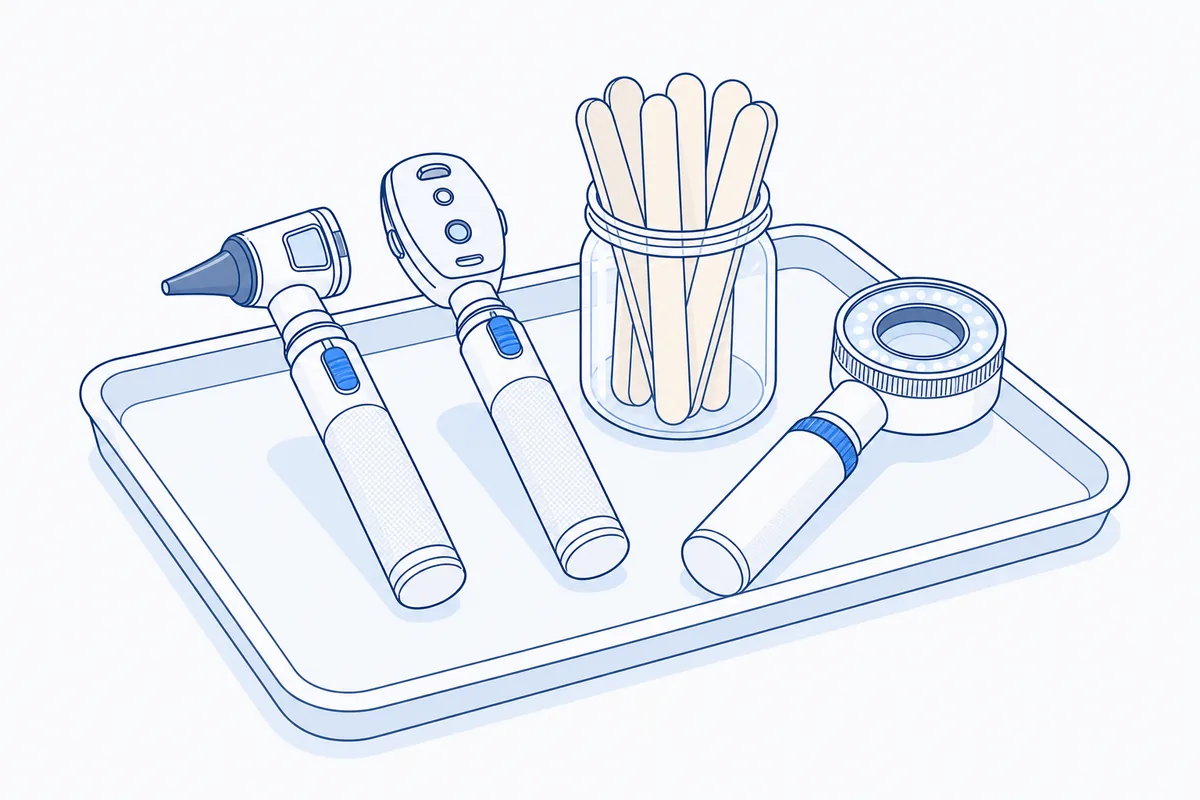
HEENT and Dermatology
48 questions
Red eye, vision loss, ear and sinus infections, pharyngitis, hearing tests, acne, eczema, psoriasis, skin infections, burns and skin cancer.
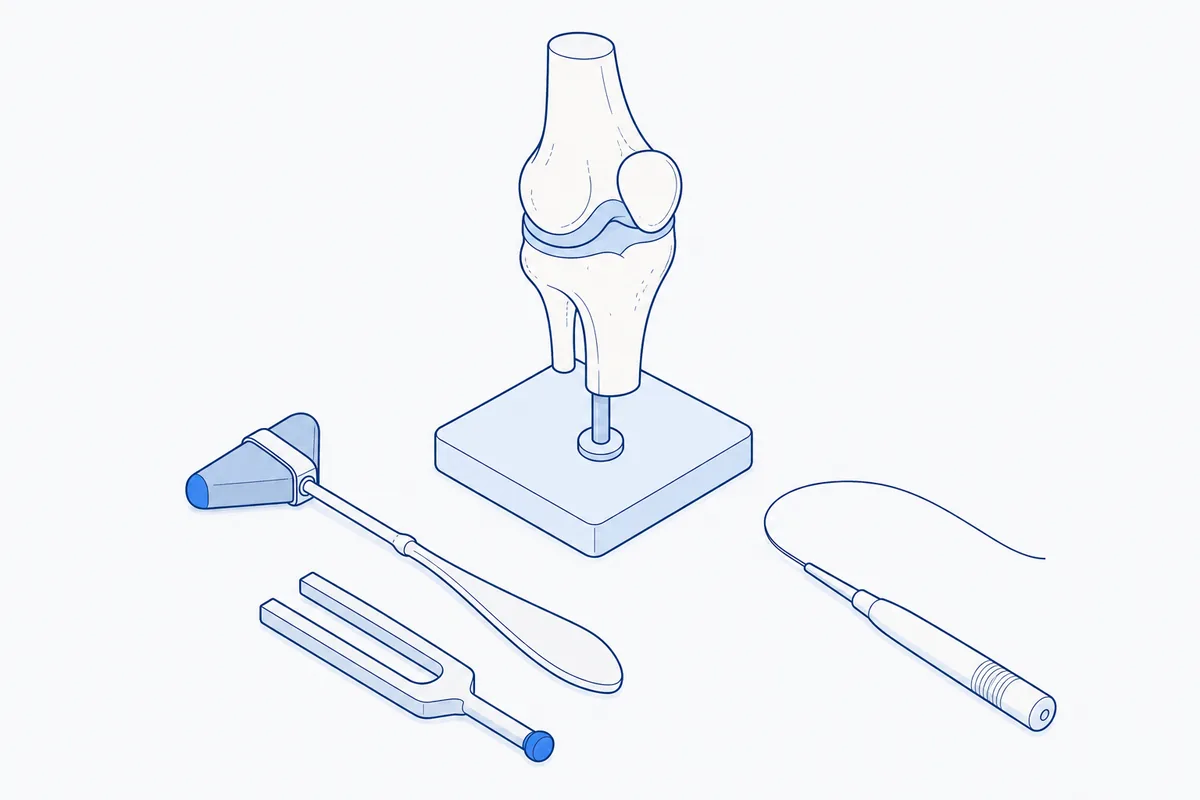
Musculoskeletal and Neurology
56 questions
Low back pain, joint exams and special tests, arthritis, sprains and fractures, headache, stroke and TIA, seizures, Parkinson disease, dementia and neuropathy.

Mental Health and Substance Use
45 questions
Depression and anxiety screening and treatment, bipolar disorder, suicide risk, ADHD, eating disorders, alcohol, tobacco and opioid use disorders, and intimate partner violence.

Professional Practice, Ethics and Policy
61 questions
Scope and standards of NP practice, prescriptive authority, HIPAA, consent and capacity, mandated reporting, billing, research appraisal, quality, informatics and health policy.
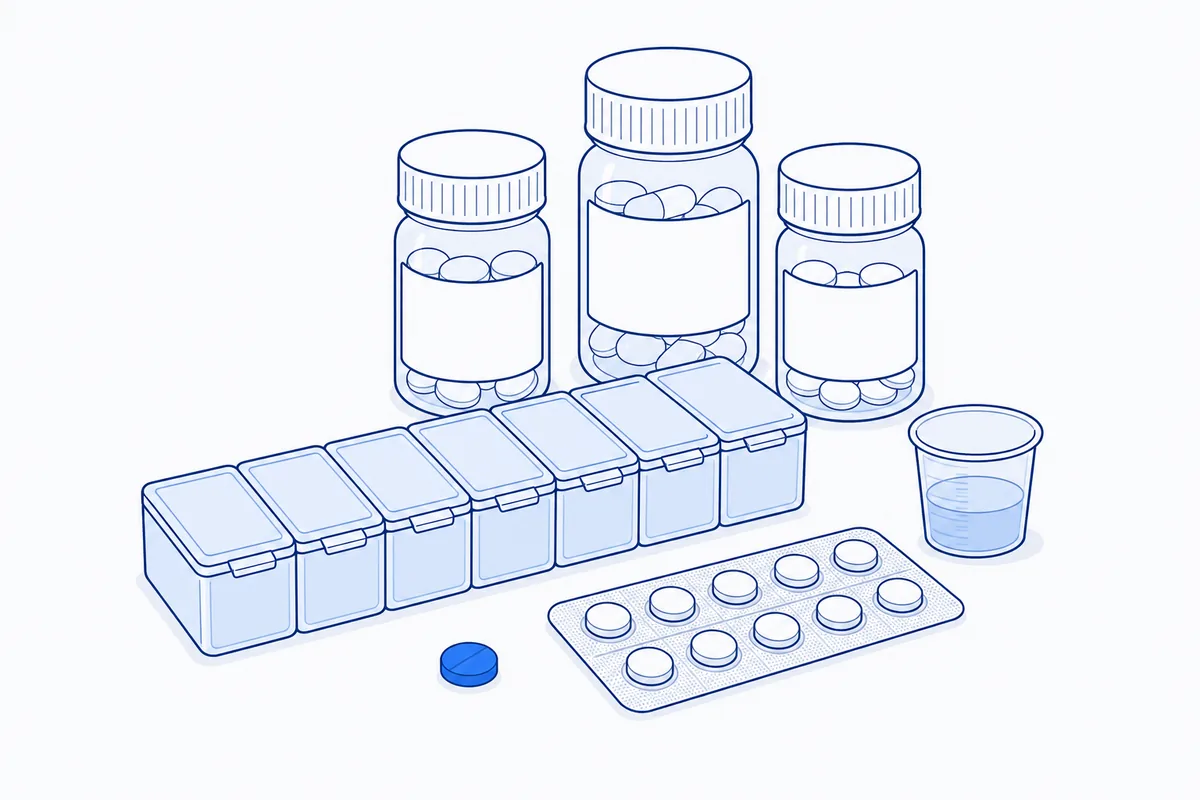
Pharmacology
139 questions across every area
First-line drug choices, contraindications, interactions, monitoring and adverse effects across every body system, as on both exams.
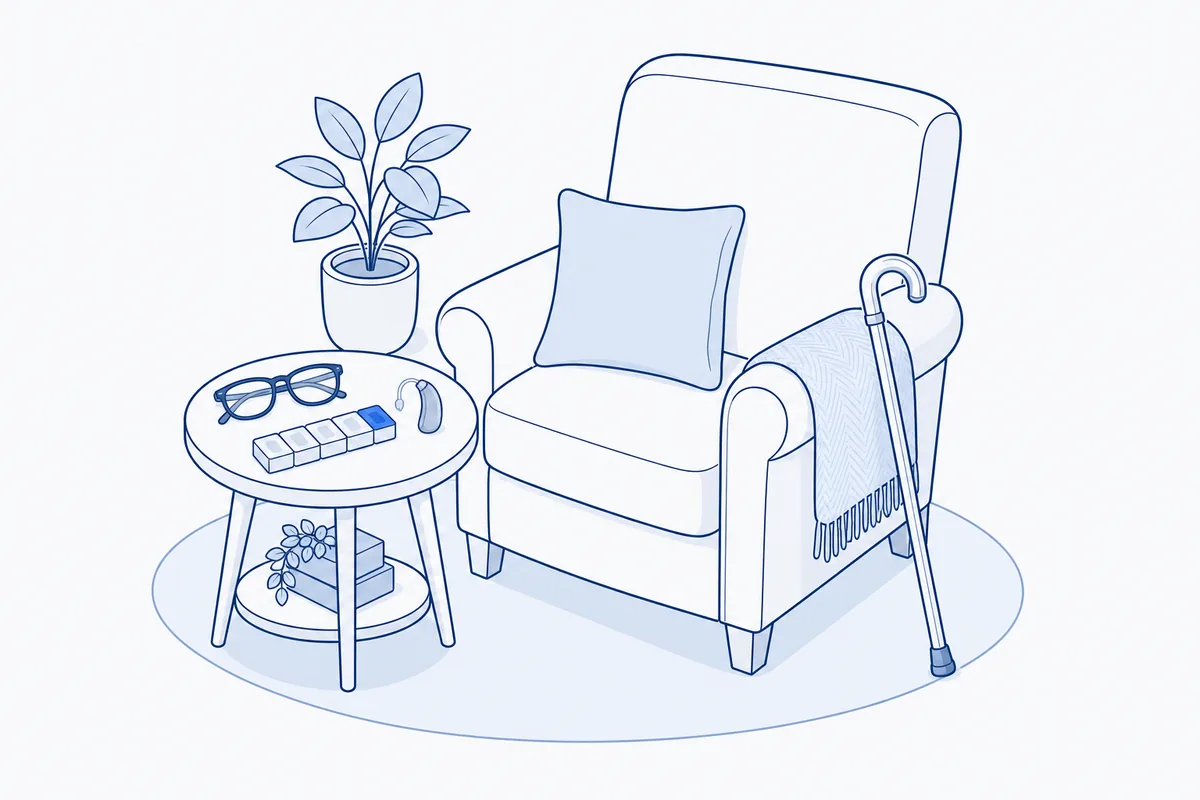
Older Adults
144 questions · 30% of the AANPCB exam
Older adults are the largest age group on the AANPCB blueprint (30%): atypical presentations, Beers Criteria, falls, cognition, screening limits and polypharmacy.

Mixed
All eleven areas
Ten questions drawn from all eleven content areas, for a quick check across both exams.

AANPCB Practice Exam
150 questions · 3 hours
135 scored in AANPCB’s domain counts (Assess 43, Diagnose 36, Plan 36, Evaluate 20) and close to its age counts, plus 15 unscored pretest questions.

ANCC Practice Exam
175 questions · 3.5 hours
150 scored in the October 30, 2026 outline’s counts (26, 25, 29, 50 and 20 across five domains), plus 25 unscored pretest questions.
Ready for a full exam?
AANPCB format: 150 questions in 3 hours. ANCC format: 175 questions in 3.5 hours. Drawn to each blueprint, scored by domain, with an explanation for every answer.
Or start with a free drillThe two FNP board exams at a glance
Answer FNP practice questions written to both certification blueprints, read the explanation for every answer, then take a timed practice exam in the format of the exam you will sit, with a score for every domain.
New family nurse practitioners earn national board certification by passing one of two exams: the AANPCB FNP exam, from the American Academy of Nurse Practitioners Certification Board (doing business as NPCB), or the ANCC FNP-BC exam, from the American Nurses Credentialing Center. ANCC’s new test content outline took effect October 30, 2026; AANPCB’s blueprint is in its candidate handbook updated June 2026.
AANPCB FNP exam
- Owner
- American Academy of Nurse Practitioners Certification Board (AANPCB), doing business as Nurse Practitioners Certification Board (NPCB). Passing awards the NP-C credential (commonly written FNP-C). Accredited by ABSNC and NCCA
- Format
- 150 multiple-choice questions: 135 scored and 15 unscored pretest questions. Computer-based at Prometric test centers
- Time
- 3 hours
- Content
- Domain I: Assess 43 items (32%), Diagnose 36 (26.5%), Plan 36 (26.5%), Evaluate 20 (15%). Domain II, patient age: newborn 3, infant 4, toddler 5, child 6, adolescent 12, young adult 30, middle adult 35, older adult 40
- Passing score
- Set by a recognized standard-setting method. AANPCB says scores are not reported as a percentage of correct answers and does not publish a passing percentage. You see a preliminary pass or fail on screen
- Fee
- $240 for AANP members, $315 for non-members; the same for a retake
- Testing window
- 120 days to schedule and take the exam after your Authorization to Test
- Retakes
- Up to three attempts per calendar year (January 1 to December 31), each with a re-examination application and fee
- Eligibility
- A graduate, postgraduate or doctoral FNP program with separate advanced physical assessment, pharmacology and pathophysiology courses, at least 500 faculty-supervised clinical hours, and an active U.S. RN license
- 2025 results
- 15,395 initial Family NP exams, 81% first-time pass rate (AANPCB 2025 Statistics)
ANCC FNP-BC exam
- Owner
- American Nurses Credentialing Center (ANCC). Passing awards the FNP-BC (Family Nurse Practitioner–Board Certified) credential
- Format
- 175 questions: 150 scored and 25 unscored pretest questions you cannot tell apart. Computer-based at Prometric test centers
- Time
- 3.5 hours
- Content
- Test content outline effective October 30, 2026: Assessment 26 (17%), Diagnosis 25 (17%), Planning 29 (19%), Implementation 50 (33%), Evaluation 20 (13%), across body systems, drug classes and age groups
- Passing score
- A scaled score of 350 or higher on a scale with a maximum of 500. A failing score report rates each content area high, medium or low
- Fee
- $395 for non-members, $295 for ANA members, $340 for AANP members, $290 for AANP student members (each includes a $140 non-refundable administrative fee)
- Retakes
- Retest after 60 calendar days from your last test date, no more than three times in any 12-month period
- Renewal
- Every 5 years
- 2025 results
- 7,719 first-time candidates, 6,358 passed: an 82% first-time pass rate (2025 ANCC Certification Data)
Where the exam fits in becoming a board-certified FNP
- Complete an accredited graduate, postgraduate or doctoral FNP program with advanced assessment, pharmacology and pathophysiology courses and at least 500 supervised clinical hours, and hold an active RN license.
- Choose AANPCB or ANCC and apply online. AANPCB accepts MSN and post-graduate applicants up to 6 months before program completion (DNP up to 12 months); ANCC sets its own eligibility rules.
- Schedule at a Prometric test center (AANPCB gives a 120-day testing window) and take the exam.
- Send your final official transcript so the certification can be released. AANPCB sends verification of certification to state boards of nursing at no charge.
- Renew every 5 years (both AANPCB and ANCC certify for five years).
Helping a nursing student too? Our NCLEX-RN practice test covers the RN licensing exam.
How to use this FNP exam prep
- Take the free mixed drill to see where you stand across all eleven areas.
- Drill your weakest areas, then the pharmacology drill: drug choice, contraindications and monitoring appear in every area.
- Taking AANPCB? Take the older adults drill: older adults are 40 of its 135 scored questions. Taking ANCC? Take the professional practice drill: Implementation is 50 of its 150 scored questions.
- Take the full practice exam for your exam under its real clock, then drill your two lowest domains and areas and take it again. Each new sitting draws questions you have not seen first.
Common questions
How many questions are on the FNP board exam?
It depends on the exam. The AANPCB FNP exam has 150 multiple-choice questions, 135 scored and 15 unscored pretest questions, in 3 hours. The ANCC FNP-BC exam has 175 questions, 150 scored and 25 unscored pretest questions, in 3.5 hours. Pretest questions look like the rest, so answer every question as if it counts.
What is the difference between the AANP and ANCC FNP exams?
AANPCB (often called “AANP”) weights its exam by four practice domains, Assess 43, Diagnose 36, Plan 36 and Evaluate 20 scored items, and by patient age, with older adults the largest group (40 items). ANCC uses five domains under its October 30, 2026 outline, Assessment 26, Diagnosis 25, Planning 29, Implementation 50 and Evaluation 20, and its large Implementation domain includes legal, ethical, regulatory and professional-role topics as well as treatment. Passing either exam leads to board certification as a family nurse practitioner (NP-C from AANPCB, FNP-BC from ANCC).
What score do you need to pass?
ANCC: a scaled score of 350 or higher, on a scale with a maximum of 500. AANPCB sets its passing score by a standard-setting method and says scores are not reported as a percentage of correct answers; it does not publish a passing percentage. Our results show your raw score and your score in every domain, not a pass line.
How much does the FNP certification exam cost?
AANPCB: $240 for AANP members and $315 for non-members, and the same for a retake. ANCC: $395 for non-members, $295 for ANA members, $340 for AANP members and $290 for AANP student members, each including a $140 non-refundable administrative fee.
How often can I retake the FNP exam?
AANPCB allows up to three attempts per calendar year for the FNP exam, each with a re-examination application and fee. ANCC lets you retest 60 calendar days after your last test date, no more than three times in any 12-month period.
What is the FNP exam pass rate?
In 2025, AANPCB reported an 81% first-time pass rate on 15,395 initial Family NP exams, and ANCC reported an 82% first-time pass rate (6,358 of 7,719 first-time candidates) for the FNP-BC.
Did the ANCC FNP exam change in 2026?
Yes. ANCC’s new FNP-BC Test Content Outline took effect October 30, 2026. It keeps the five domains with new counts (Assessment 26, Diagnosis 25, Planning 29, Implementation 50, Evaluation 20) and names artificial intelligence under responsible use of information technology. Our ANCC practice exam follows the outline in force.
Do AANPCB and ANCC have official practice tests?
Yes. AANPCB sells 50-question, 60-minute practice exams for $50 each, and ANCC sells a 60-question, 75-minute FNP Readiness Test for $85. Neither offers a full-length timed practice exam. These questions are original practice written to the published blueprints; they are not AANPCB or ANCC questions.
Ready for test day?
AANPCB format: 150 questions in 3 hours. ANCC format: 175 questions in 3.5 hours. Drawn to each blueprint, scored by domain, with an explanation for every answer.
Or start with a free drillSources
- AANPCB (NPCB): Family Nurse Practitioner Candidate Handbook (updated 06/2026): format, timing, blueprint, scoring, retakes
- AANPCB: Family NP exam page (test blueprint) and fees
- AANPCB: Practice exams (50 questions, 60 minutes, $50)
- AANPCB: 2025 certification statistics
- ANCC: Family Nurse Practitioner certification (FNP-BC): fees, format, renewal
- ANCC: FNP-BC Test Content Outline, effective October 30, 2026
- ANCC Certification Handbook (October 2026): scoring (350 of 500) and retesting
- ANCC: FNP reference list, effective October 30, 2026
- ANCC: 2025 certification data (first-time pass rates)
Original practice questions for exam preparation, written to the AANPCB FNP blueprint (candidate handbook updated June 2026) and the ANCC FNP-BC Test Content Outline effective October 30, 2026; they are not AANPCB or ANCC exam questions. Independent practice, not affiliated with or endorsed by AANPCB (NPCB), AANP, ANCC, ANA or Prometric. NP-C is a certification mark of NPCB; FNP-BC is an ANCC credential. Follow current guidelines and your state’s scope of practice in clinical care.