Free NPTE-PTA Practice Test (Physical Therapist Assistant Exam)
Physical therapist assistant exam practice questions written to FSBPT’s NPTE-PTA content outline, with an explanation for every answer.
How should the PTA test sharp-dull discrimination?
488 original questions · 128 intervention questions across the body systems · 26 vital signs and lab value questions in their own drill
NPTE-PTA practice questions by content area
FSBPT’s content outline sets an item range for each body system and nonsystem area of the 140 scored questions. Each area has a guide with free sample questions and a free ten-question drill with an explanation after every answer.
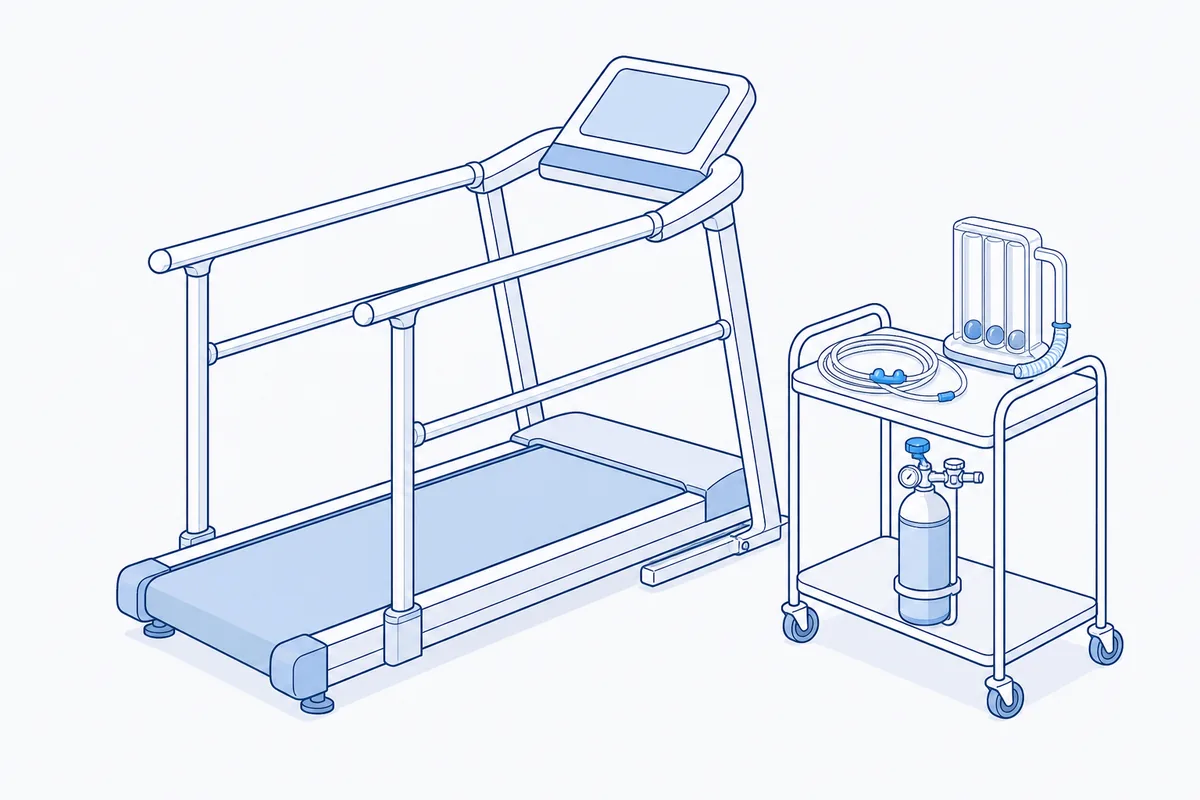
Cardiopulmonary
20–27 of 140 scored questions
Vital signs and exercise response, heart and lung conditions, cardiac and pulmonary rehab, breathing exercises, airway clearance, oxygen and medication effects on treatment.
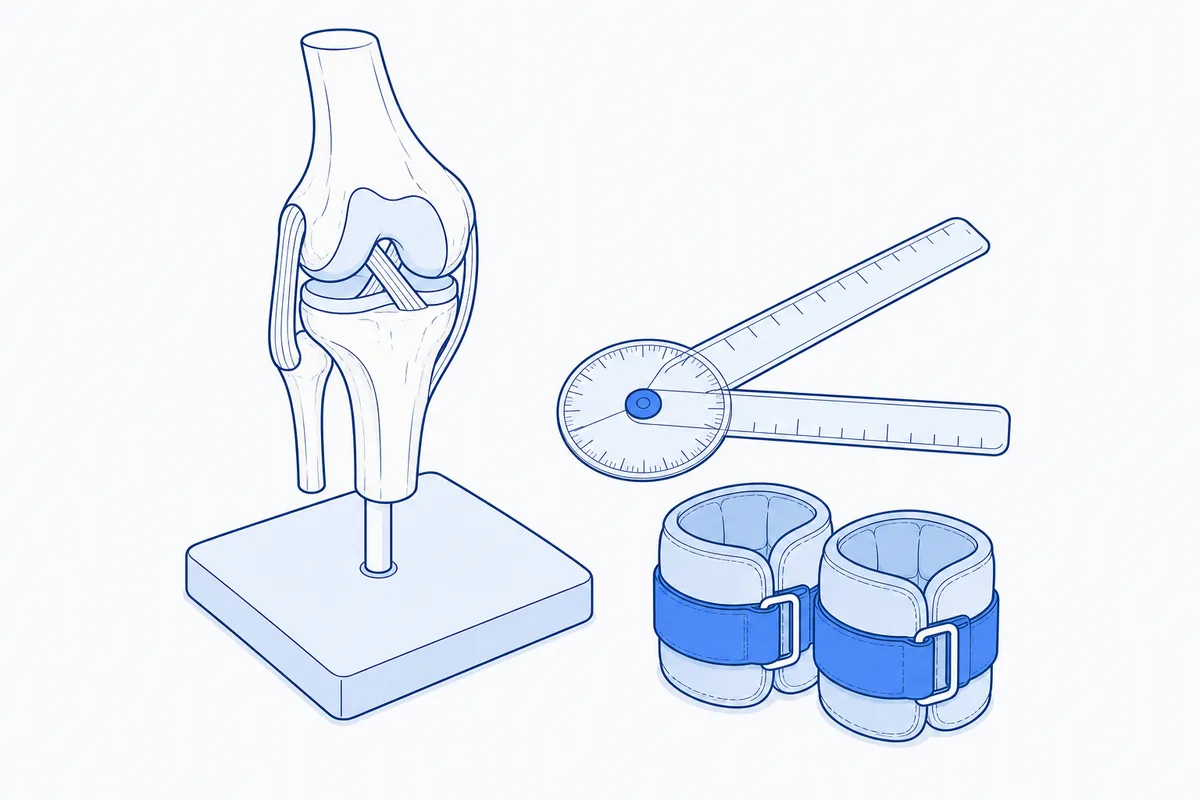
Musculoskeletal
31–40 of 140 scored questions
Goniometry and manual muscle testing, joint mechanics, fractures, joint replacement and post-operative precautions, arthritis, sports and spine conditions, therapeutic exercise and gait training.
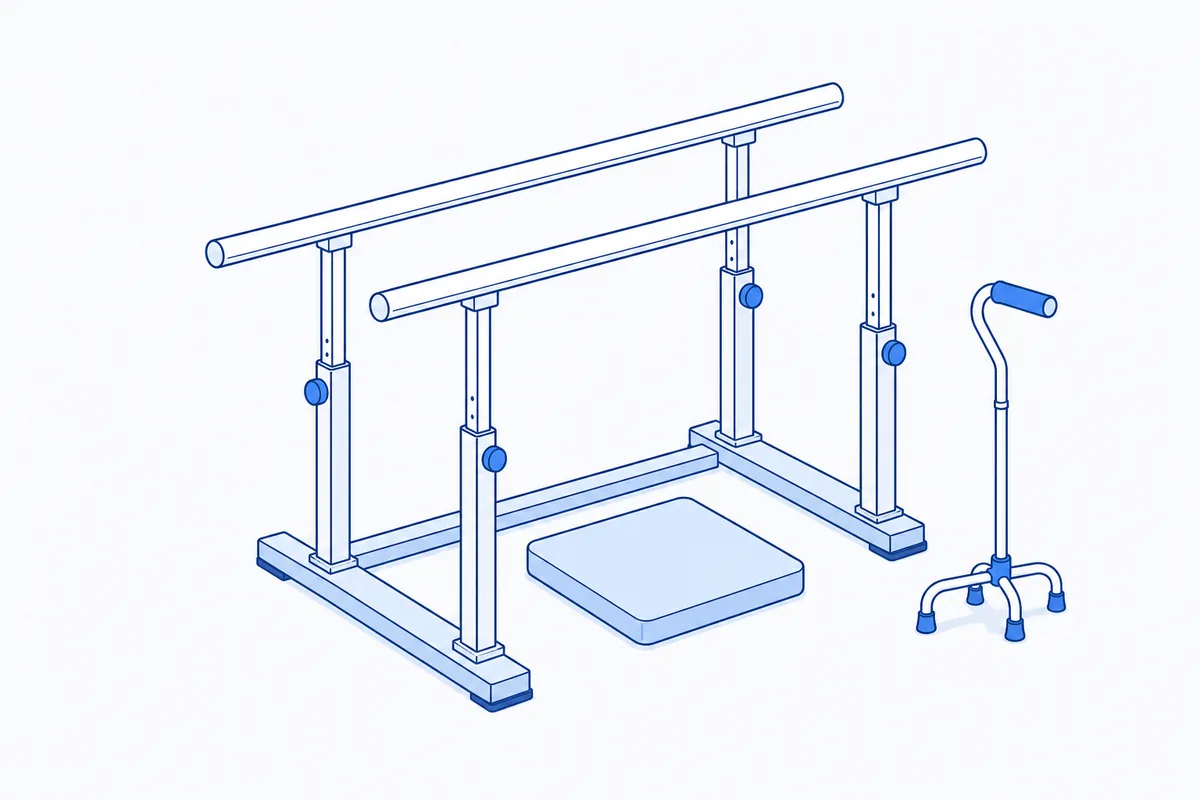
Neuromuscular
27–35 of 140 scored questions
Stroke, spinal cord injury, brain injury, Parkinson disease, multiple sclerosis and peripheral nerve conditions, reflexes, tone and sensation testing, motor control and motor learning, balance and pediatric development.
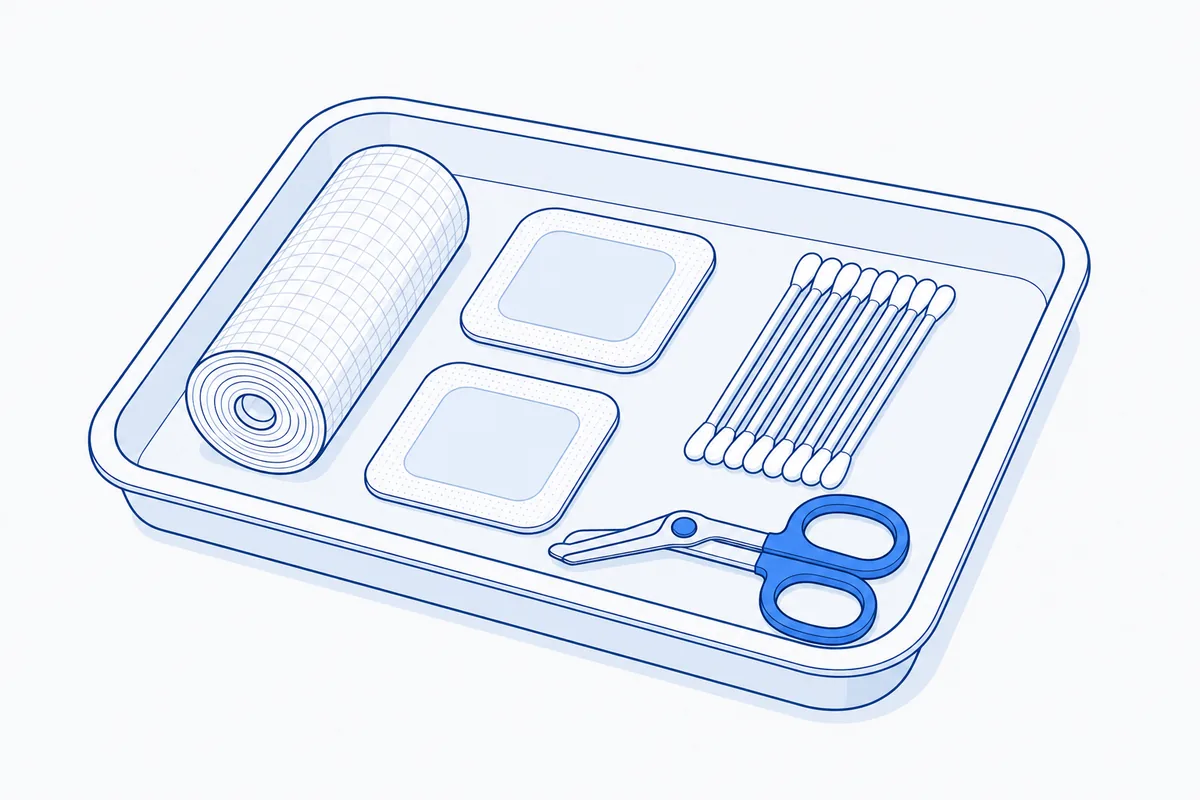
Integumentary
3–8 of 140 scored questions
Pressure injury staging and prevention, wound types and descriptions, burns and scar management, dressings and skin care.
Other Systems
11–27 of 140 scored questions
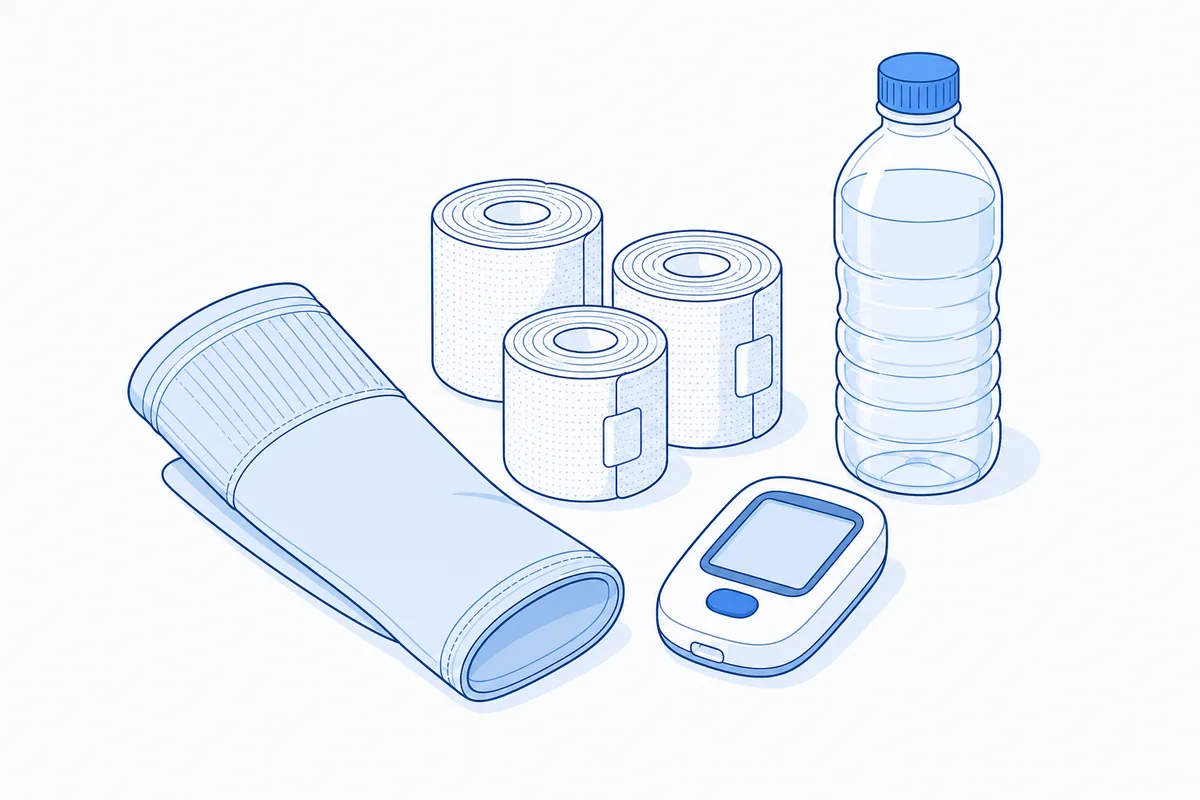
Diabetes and thyroid conditions, lymphedema, gastrointestinal and genitourinary conditions, pelvic floor programs, cancer, pain, psychological conditions and multiple diagnoses at once.
Equipment and Devices
8–10 of 140 scored questions
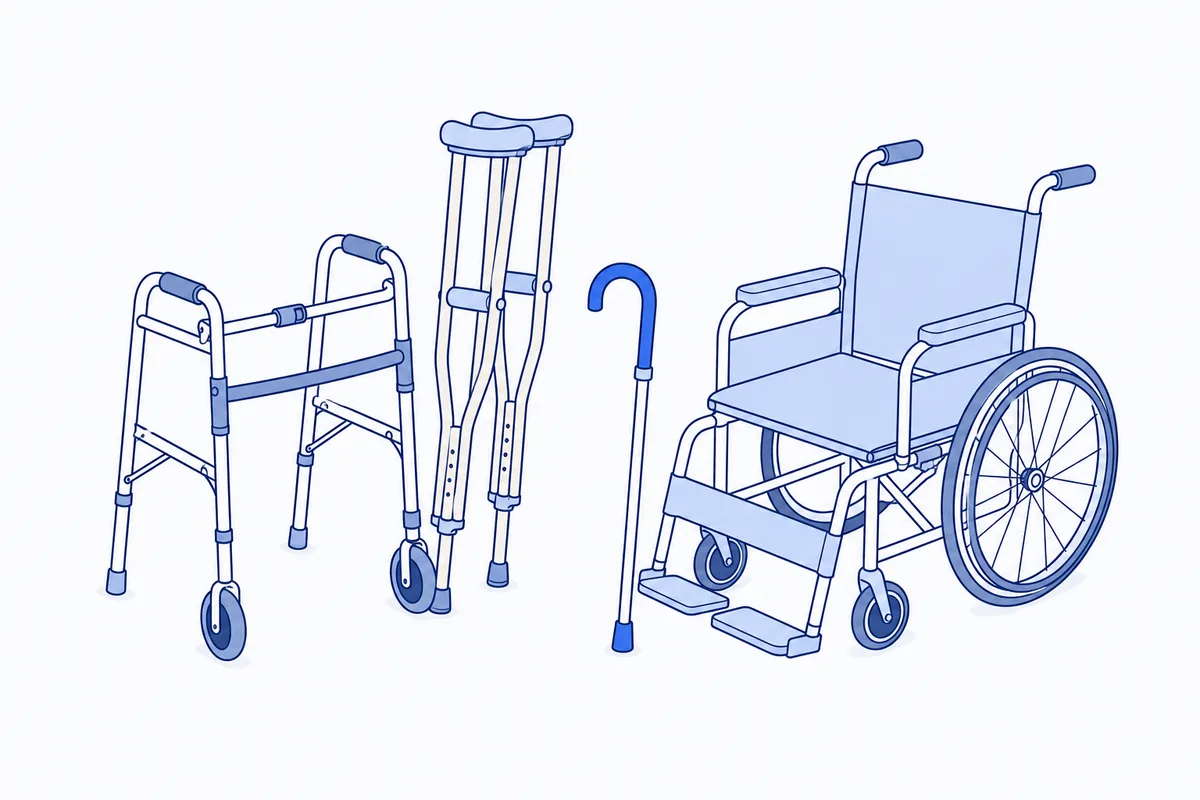
Walkers, canes and crutches, wheelchair fit and seating, mechanical lifts, prostheses, orthoses, braces and compression garments.
Therapeutic Modalities
5–7 of 140 scored questions
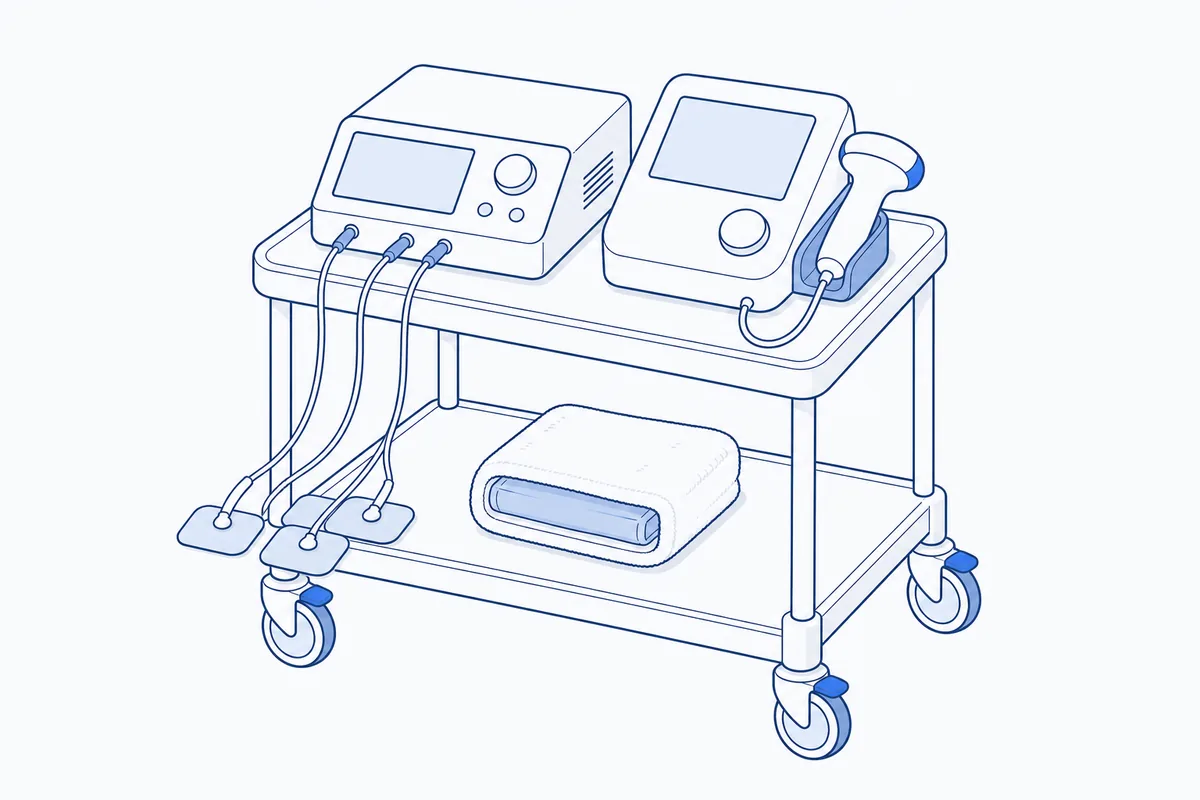
Heat and cold, ultrasound, TENS, NMES and other electrical stimulation, iontophoresis, traction, biofeedback and intermittent compression: settings, indications and contraindications.
Safety and Protection
6–8 of 140 scored questions
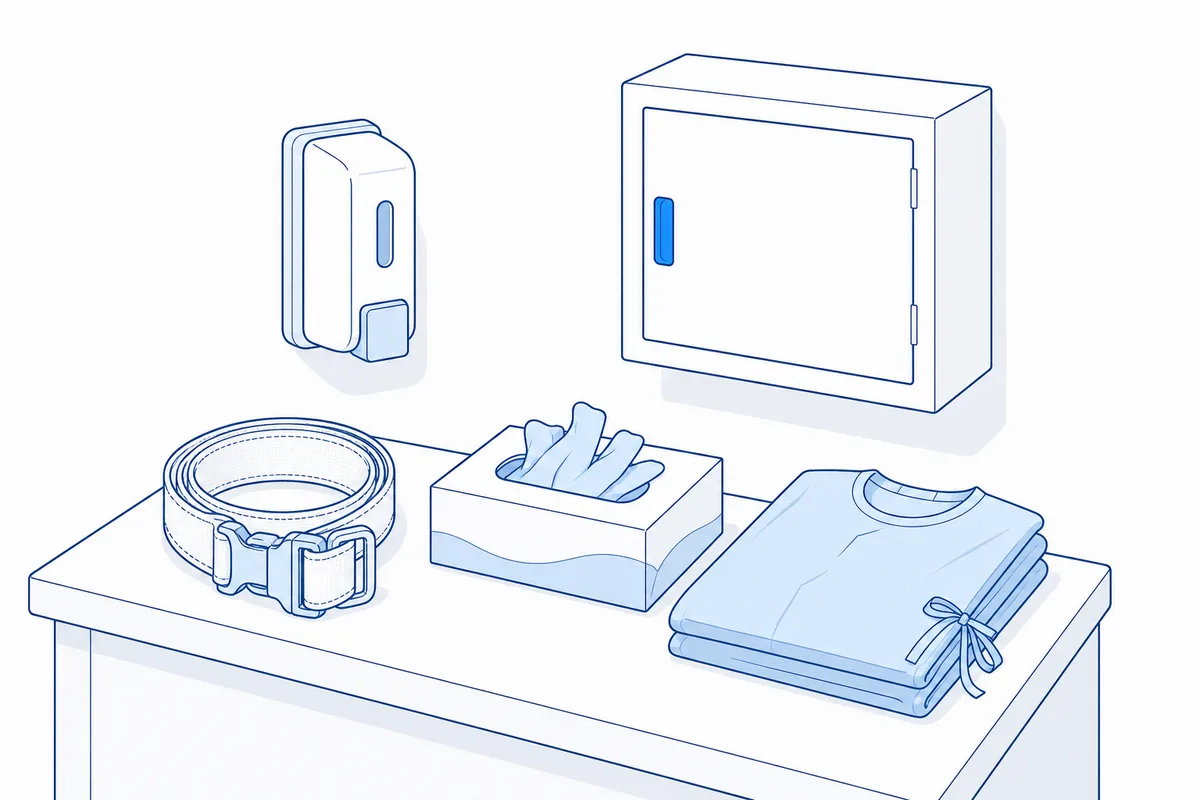
Safe patient handling and fall prevention, lines, tubes and monitors, oxygen equipment, emergency response, infection control and isolation, and signs of abuse and neglect.

Professional Responsibilities
3–7 of 140 scored questions
PT and PTA roles and supervision, documentation, ethics, patient rights and HIPAA, billing, reporting duties, cultural factors, and reading research: evidence levels, reliability and validity.
Vital Signs and Lab Values
26 questions from every area
Normal heart rate, blood pressure, respiratory rate and oxygen saturation, exercise responses that mean stop, and lab values that change treatment: blood glucose, INR, platelets, hemoglobin and potassium.
Mixed Drill
All nine areas
Ten questions drawn from all nine sections, for a quick check across the whole exam.
Full Practice Exam
180 questions · 4 hours
140 scored questions drawn inside FSBPT’s range for every outline area plus 40 unscored pretest questions, with mark for review and a score for every area.
Ready for the full exam?
180 questions in 4 hours, drawn in FSBPT’s item range for each outline area, scored on the 140 that count, with an explanation for every answer.
Or start with a free drillThe NPTE-PTA at a glance
Answer NPTE-PTA practice questions written to FSBPT’s content outline, read the explanation for every answer, then take a timed 180-question, 4-hour practice exam in the real length with a score for every area.
The NPTE-PTA is the licensing exam for physical therapist assistants in the United States. The Federation of State Boards of Physical Therapy (FSBPT) writes and runs it at Prometric test centers, and each state licensing board uses the result. The content outline in force took effect in January 2024, after FSBPT’s 2022 practice analysis; FSBPT has not announced a new outline (checked November 2026).
- Exam
- National Physical Therapy Examination for physical therapist assistants (NPTE-PTA), developed and administered by the Federation of State Boards of Physical Therapy (FSBPT). Every US licensing jurisdiction uses it and the same passing standard
- Format
- 180 multiple-choice questions in four sections of 45: 140 scored and 40 unscored pretest questions, which you cannot tell apart. Each question has one correct answer. Up to 35 questions are scenario based, grouped at the end of a section
- Time
- 4 hours of testing time in one block (sections are not timed separately); the 4 hour 30 minute appointment includes a scheduled 15-minute break after the second section, a tutorial and a survey
- Content
- Outline effective January 2024: body systems (cardiovascular and pulmonary 20–27 items, musculoskeletal 31–40, neuromuscular and nervous 27–35, integumentary 3–8, metabolic and endocrine 4–6, gastrointestinal 0–4, genitourinary 0–4, lymphatic 2–6, system interactions 5–7) and nonsystem domains (equipment, devices and technologies 8–10, therapeutic modalities 5–7, safety and protection 6–8, professional responsibilities 2–4, research and evidence-based practice 1–3), out of 140 scored items
- Passing score
- A scaled score of 600 on a 200–800 scale, criterion referenced and the same in every jurisdiction. The number correct needed for 600 varies slightly by form. FSBPT does not publish a percentage. There is no penalty for wrong answers
- Fees
- $485 exam fee to FSBPT, plus the Prometric seat fee paid when you schedule ($92 for the PTA exam in the 2025 handbook)
- When and where
- Prometric test centers on fixed dates four times a year. 2026 PTA dates: January 6–7, April 7–8, July 8–9 and October 6–7
- Retakes
- You test on the next available date. No more than three consecutive attempts in 12 months, six attempts per exam level in your lifetime, and no further attempts after two scores below 400
- Eligibility
- A PTA degree from a CAPTE-accredited program (or an education found substantially equivalent) and approval by the jurisdiction where you seek a license. You may test up to 90 days before graduation where your jurisdiction allows it
- Results
- Your pass or fail status is posted about five business days after the testing window ends; a free score report with your scaled score follows ten business days after your exam date
Where the exam fits in becoming a licensed PTA
- Complete a PTA program accredited by CAPTE (the Commission on Accreditation in Physical Therapy Education). Your school validates that you are on track to graduate.
- Apply for a license to the board in the state where you want to work and check its own requirements, such as a jurisprudence exam.
- Register with FSBPT and pay the $485 exam fee by the registration deadline for a test date.
- Once your state (or FSBPT, in states that let FSBPT approve CAPTE graduates) approves you, schedule your seat with Prometric using your Authorization to Test letter.
- Test on your scheduled date. Your pass or fail status reaches your state about five business days after the testing window ends.
How to use this PTA exam prep
- Take the free mixed drill to see where you stand across all nine areas.
- Drill the three largest body systems first: musculoskeletal (31–40 items), neuromuscular (27–35) and cardiovascular and pulmonary (20–27) make up most of the scored questions.
- Take the vital signs and lab values drill until you know the normal values and the stop signs by heart.
- Clear the nonsystem areas next: equipment and devices, safety, and modalities are learnable points.
- Take the full 180-question practice exam under the 4-hour clock, then drill your two lowest areas and take it again. Each new sitting draws questions you have not seen first.
Common questions
How many questions are on the NPTE-PTA?
180 multiple-choice questions in four sections of 45. 140 are scored; the other 40 are unscored pretest questions that FSBPT is trying out. They look like the rest, so answer every question as if it counts.
How long is the PTA exam?
Four hours of testing time, used as one block: the sections are not timed separately. The appointment is 4 hours 30 minutes, which includes a scheduled 15-minute break after the second section, a tutorial and a survey. Time spent on any other break comes out of your four hours.
What score do you need to pass the NPTE-PTA?
A scaled score of 600 on FSBPT’s 200–800 scale. Every jurisdiction uses the same criterion-referenced standard. FSBPT converts your number correct to the scale, and the number needed for 600 can change by a question or two from form to form. FSBPT does not publish a percentage pass mark.
How much does the NPTE-PTA cost?
The exam fee is $485, paid to FSBPT when you register. You also pay Prometric a seat fee when you schedule; the 2025 handbook lists $92 for the PTA exam. Your state may charge its own license application fee and require a separate jurisprudence exam.
When can I take the PTA exam?
On fixed dates four times a year. The 2026 PTA dates are January 6–7, April 7–8, July 8–9 and October 6–7, each with a registration and payment deadline about five weeks earlier. You may test up to 90 days before graduation if your jurisdiction allows it.
How many times can you take the NPTE-PTA?
Up to six times in your lifetime at the PTA level, and no more than three consecutive times in 12 months. After two scores below 400 you cannot test again. After a failed attempt you register for the next available date.
Does FSBPT have an official PTA practice exam?
Yes. FSBPT sells the Practice Exam and Assessment Tool (PEAT) for $99: two timed four-hour, 180-question PTA exams (a retired NPTE form and a practice form) with access for 90 days. FSBPT also has a free demonstration exam with sample questions. The questions on this site are original practice written to FSBPT’s content outline; they are not NPTE or PEAT questions.
Are these real NPTE questions?
No. Every question here is original, written to the published NPTE-PTA content outline. The NPTE is protected by copyright and trade secret law, and FSBPT states that sharing, or asking for, questions recalled from the exam is illegal. Practice the content, not remembered items.
Is this PTA practice exam the same format as the real exam?
It matches the length and timing: 180 four-option questions in 4 hours, 140 scored in each outline area’s range plus 40 unscored pretest questions mixed in. You can skip, go back and mark questions for review. Our clinical vignettes are stand-alone questions rather than shared scenarios, and there are no photograph or video questions. The result shows your score on the 140 scored questions and in each section, not a scaled score, because FSBPT does not publish how raw scores convert.
Taking the physical therapist exam instead? NPTE practice test (NPTE-PT).
Ready for test day?
180 questions in 4 hours, drawn in FSBPT’s item range for each outline area, scored on the 140 that count, with an explanation for every answer.
Or start with a free drillSources
- FSBPT: NPTE Candidate Handbook (version 2025.02): format, timing, scoring, fees, testing limits, results
- FSBPT: NPTE-PTA Test Content Outline, effective January 2024
- FSBPT: NPTE Content (outlines in effect since January 2024)
- FSBPT: 2026 NPTE dates and deadlines
- FSBPT: Retake Exam
- FSBPT: Practice Exam and Assessment Tool (PEAT)
Original practice questions for exam preparation, written to the NPTE-PTA Test Content Outline (effective January 2024). They are not NPTE questions, recalled questions or PEAT questions. Independent practice, not affiliated with or endorsed by the Federation of State Boards of Physical Therapy (FSBPT) or Prometric. NPTE and PEAT are registered trademarks of FSBPT. Follow your supervising physical therapist’s plan of care and your state’s rules in practice.