Free EPPP Practice Test
Original EPPP Part 1 practice questions written to ASPPB’s eight content domains, with an explanation for every answer.
The correlation between hours of sleep and exam scores is r = -.40. Which statement is correct?
578 original questions · 90 assessment and diagnosis questions · 88 ethics questions on the APA Ethics Code
EPPP practice questions by domain
ASPPB divides EPPP Part 1 into eight content domains and gives each a fixed share of the exam. Each domain has a guide with free sample questions and a free ten-question drill with an explanation after every answer.
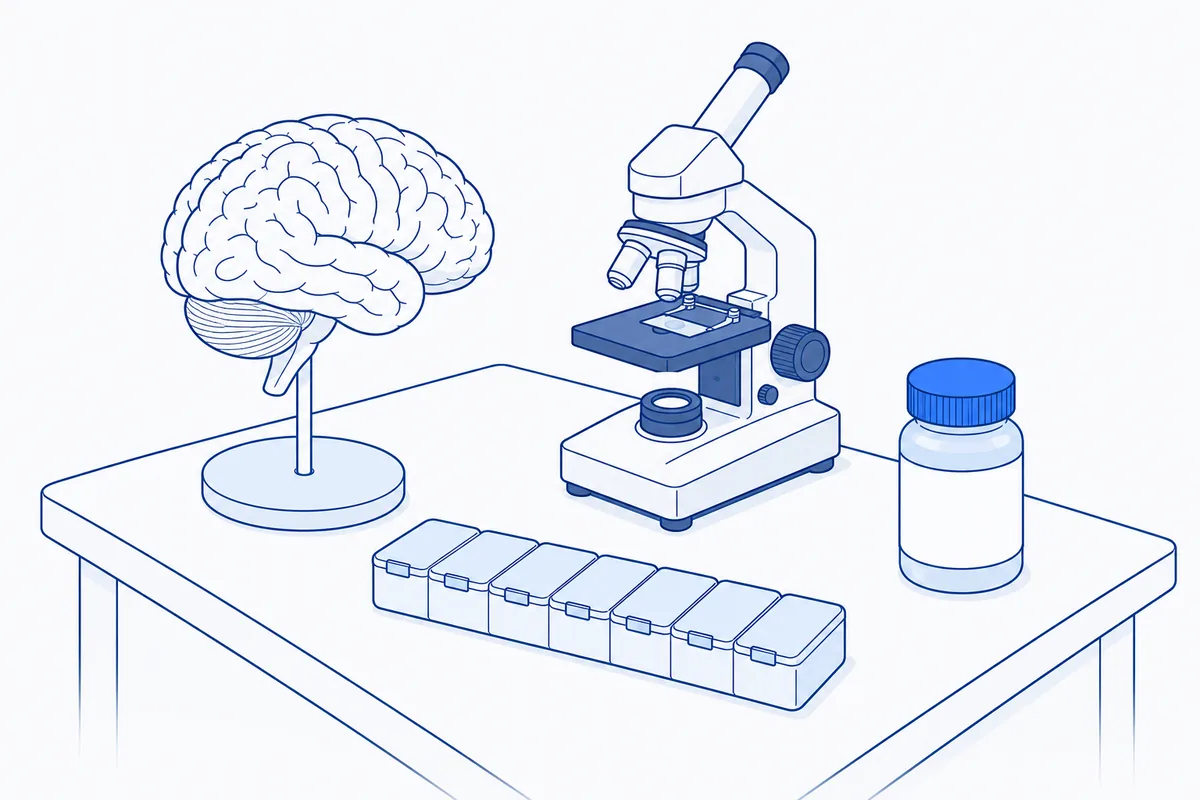
Biological Bases (10%)
Domain 1 · about 18 of 175 scored questions
Neuroanatomy and brain-behavior relations, neurotransmitters, psychopharmacology and drug effects, behavioral genetics, and brain imaging and other biological measures.
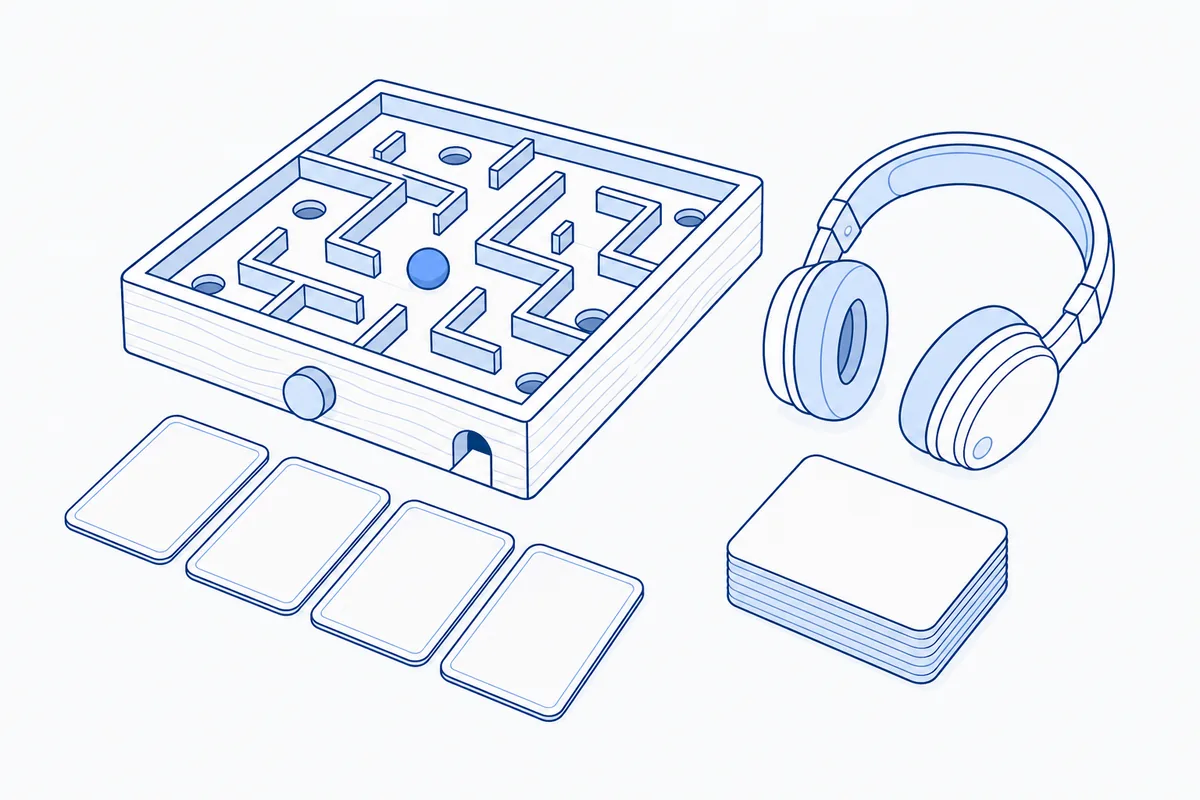
Cognitive-Affective Bases (13%)
Domain 2 · about 23 of 175 scored questions
Theories of intelligence, learning and conditioning, memory, motivation and emotion, sensation, perception, attention, language and executive function.
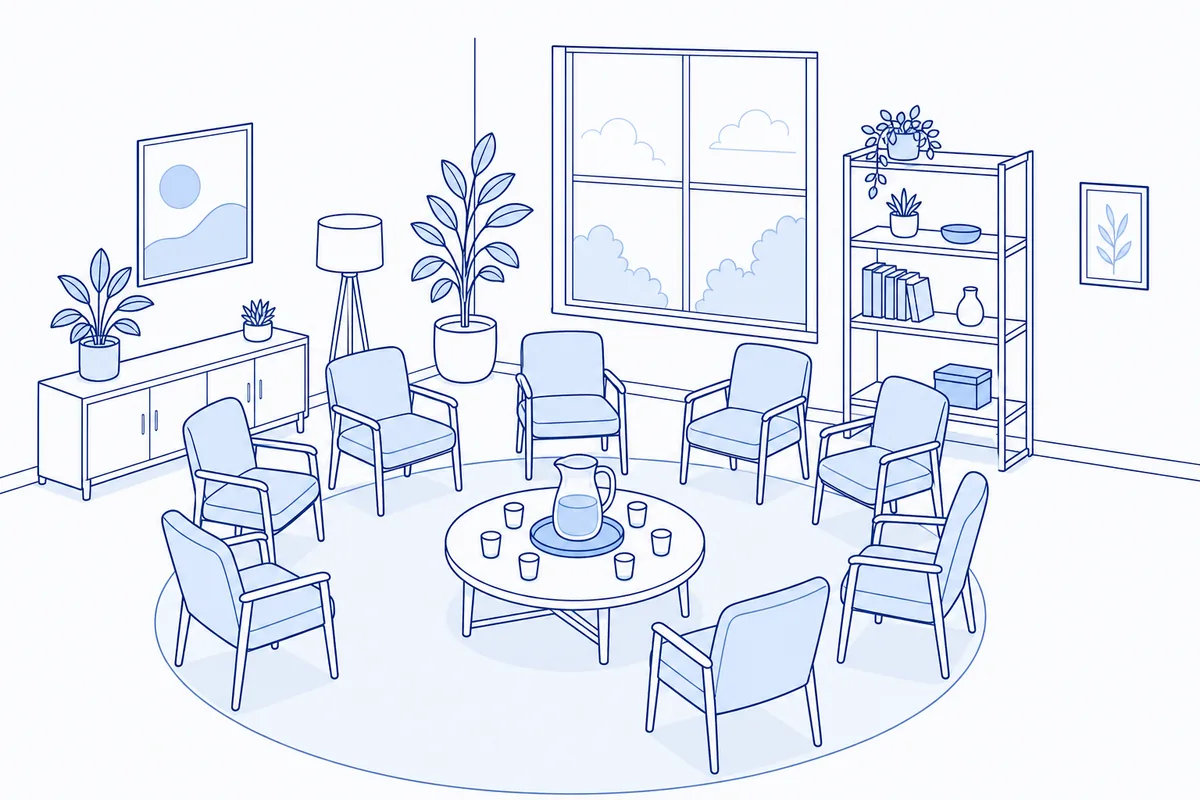
Social and Cultural Bases (11%)
Domain 3 · about 19 of 175 scored questions
Social cognition and attribution, attitudes and persuasion, group processes, attraction, aggression and helping, personality theories, culture, identity and oppression.

Lifespan Development (12%)
Domain 4 · about 21 of 175 scored questions
Development from conception to old age: theories of development, attachment, cognitive and moral development, family systems, risk and resilience, and developmental disorders.
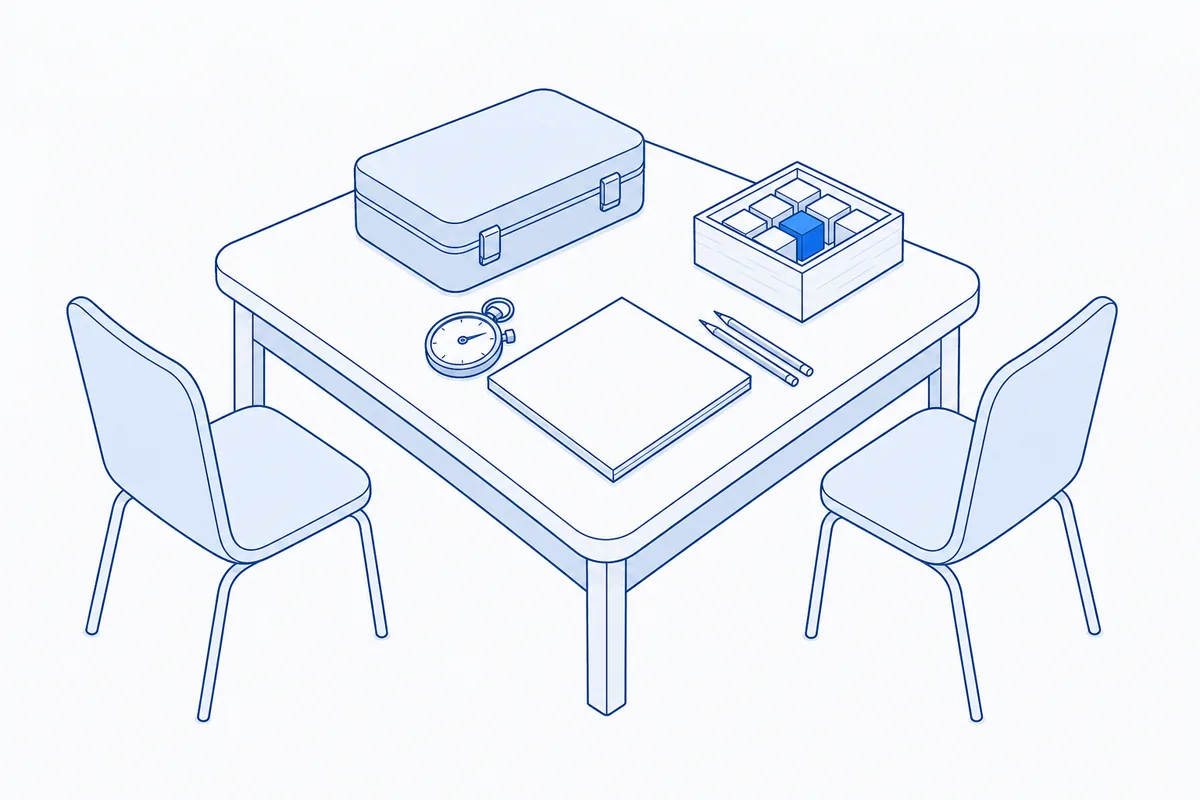
Assessment and Diagnosis (16%)
Domain 5 · about 28 of 175 scored questions
Psychometrics, test construction, reliability and validity, intelligence and personality tests, neuropsychological and organizational assessment, classification and differential diagnosis.

Treatment and Intervention (15%)
Domain 6 · about 26 of 175 scored questions
Psychotherapy models and evidence-based treatments, matching treatment to client, family and group therapy, consultation, career development, prevention, health psychology and supervision.
Research and Statistics (7%)
Domain 7 · about 12 of 175 scored questions
Sampling, research designs and threats to validity, descriptive and inferential statistics, power and effect size, meta-analysis, qualitative methods and program evaluation.
Ethics and Legal Issues (16%)
Domain 8 · about 28 of 175 scored questions
The APA and CPA ethics codes, confidentiality and its limits, informed consent, multiple relationships, duty to protect, records, testing and research ethics, supervision and telepsychology.
Ready for the full exam?
225 questions in 4 hours 15 minutes, drawn to ASPPB’s domain weights, scored on the 175 that count, with an explanation for every answer.
Or start with a free drillThe EPPP at a glance
Answer EPPP practice questions written to ASPPB’s Part 1 content domains, read the explanation for every answer, then take a timed 225-question practice exam in the Part 1 format with a score for every domain.
The Association of State and Provincial Psychology Boards (ASPPB) writes the EPPP for the psychology licensing boards of the US and Canada. In ASPPB’s 2025 report on first-time takers from 2020 to 2024, 75.07% of 17,748 graduates of APA- or CPA-accredited doctoral programs reached the recommended passing score of 500, against 44.85% of 2,274 graduates of other doctoral programs.
- Exam
- Examination for Professional Practice in Psychology (EPPP), Part 1-Knowledge, developed by the Association of State and Provincial Psychology Boards (ASPPB). All 66 ASPPB member jurisdictions in the US and Canada require a passing score for licensure as a psychologist
- Format
- 225 multiple-choice questions with four options each: 175 scored and 50 unscored pretest questions. Your score is the number of scored questions you answer correctly, so a blank counts the same as a wrong answer
- Time
- 4 hours 15 minutes for the exam questions, plus 5 minutes for the candidate agreement, 5 for the tutorial and 5 for a closing survey
- Content
- Eight domains: biological bases of behavior (10%), cognitive-affective bases (13%), social and cultural bases (11%), growth and lifespan development (12%), assessment and diagnosis (16%), treatment, intervention, prevention and supervision (15%), research methods and statistics (7%) and ethical, legal and professional issues (16%)
- Scoring
- A scaled score from 200 to 800, equated across forms, so the number of correct answers needed to pass changes from form to form
- Passing score
- ASPPB recommends 500 for independent practice and 450 for supervised practice. Each board sets its own standard; ASPPB says all of them accept 500 for independent practice on Part 1
- Fee
- $600 for Part 1 plus a $91.88 test-site appointment fee per sitting, paid to ASPPB in the registration portal. All fees are non-refundable, and you must test within 12 months of paying
- Retakes
- Set by your board, but never more than four times in any 12-month period. ASPPB suggests about 90 days between attempts
Where the EPPP fits in psychology licensure
- Apply for a license to the psychology board in the state, province or territory where you plan to practice. The board decides when you may sit the EPPP.
- Once the board approves you, register in ASPPB’s EPPP portal, pay the $600 exam fee and the $91.88 test-site fee, then schedule at a Pearson VUE test center within 12 months.
- Take Part 1: 225 questions in 4 hours 15 minutes. You get an unofficial score at the test center, and ASPPB reports it to your board within 10 days.
- If your jurisdiction also requires EPPP Part 2-Skills, apply to sit it after you pass Part 1. ASPPB recommends taking Part 2 after your supervised experience is complete.
What this practice covers
- EPPP Part 1-Knowledge, in full: all eight content domains at ASPPB’s weights, the 225-question format with 50 unscored pretest questions, and the 4-hour-15-minute clock.
- Not EPPP Part 2-Skills. Part 2 has 170 items in 4 hours 10 minutes, including scenarios and video with audio, and only some jurisdictions require it. This site does not simulate those item types.
- Built to the blueprint in force. ASPPB has announced an integrated EPPP that replaces both parts for first-time candidates in the fourth quarter of 2027; until then, Part 1 keeps its published domains and weights.
How to use this EPPP prep
- Take the free mixed drill to see where you stand across all eight domains.
- Drill assessment and diagnosis and ethics first: at 16% each they are the largest domains.
- Work through treatment and intervention (15%), cognitive-affective bases (13%), lifespan development (12%) and social and cultural bases (11%).
- Finish with biological bases (10%) and research methods and statistics (7%), where steady drilling pays off quickly.
- Take the full 225-question practice exam under the real clock, then drill your two lowest domains and take it again. Each new sitting draws questions you have not seen first.
Common questions
How many questions are on the EPPP?
EPPP Part 1-Knowledge has 225 multiple-choice questions, each with four options. 175 are scored; the other 50 are unscored pretest questions that look the same as the rest. Your score counts correct answers only, so answer every question.
How long is the EPPP?
4 hours 15 minutes for the 225 questions, about 68 seconds a question. ASPPB adds 5 minutes for the candidate agreement, 5 for the tutorial and 5 for a survey at the end.
What is a passing score on the EPPP?
ASPPB reports a scaled score from 200 to 800 and recommends 500 for independent practice and 450 for supervised practice. Each board sets its own standard, and ASPPB says all of them accept 500 for independent practice on Part 1. The number of correct answers behind a 500 changes from form to form, so our practice exam shows your percent correct overall and by domain, not a pass line.
How much does the EPPP cost?
$600 for Part 1 plus a $91.88 test-site appointment fee, $691.88 per sitting, paid in ASPPB’s registration portal after your board approves you. Fees are non-refundable, and you must sit within 12 months of paying. Part 2-Skills costs $450 plus the same test-site fee.
What is the EPPP pass rate?
In ASPPB’s 2025 report on first-time takers from 2020 to 2024, 75.07% of 17,748 graduates of APA- or CPA-accredited doctoral programs scored 500 or higher, against 44.85% of 2,274 graduates of other doctoral programs.
Do I need to take EPPP Part 2-Skills?
Only if your jurisdiction requires it. All 66 ASPPB jurisdictions require Part 1; some also require Part 2, which you can take only after passing Part 1. Part 2 has 170 items in 4 hours 10 minutes, including scenarios and video with audio. This site practices Part 1 only; it does not simulate Part 2’s scenario and video items.
Is the EPPP changing?
Yes. ASPPB is replacing Part 1 and Part 2 with one integrated EPPP in the fourth quarter of 2027, with a beta from March 1 to April 30, 2027. Until then, Part 1 keeps its published eight-domain blueprint, which is the blueprint this practice follows.
How many times can I retake the EPPP?
Your board sets the rules, but ASPPB never allows either part more than four times in any 12-month period, and it suggests waiting about 90 days between attempts. If you score below 500, ASPPB gives you a bar graph of your performance by domain.
Does ASPPB sell EPPP practice exams?
Yes, to candidates their board has approved: a 100-question online sample exam for $30 a try and a test-center version for $82.50. ASPPB has two Part 1 forms, built from retired items, and reports a percent-correct score. The questions on this site are original practice written to ASPPB’s content areas; they are not ASPPB questions.
Is this EPPP practice exam the same format as the real exam?
Yes. It is 225 four-option questions under a 4-hour-15-minute clock: 175 scored questions drawn to ASPPB’s domain weights plus 50 unscored pretest questions mixed in. You can skip, go back and mark questions for review. The result shows your score on the 175 scored questions, a score for every domain and an explanation for every question.
Ready for test day?
225 questions in 4 hours 15 minutes, drawn to ASPPB’s domain weights, scored on the 175 that count, with an explanation for every answer.
Or start with a free drillSources
- ASPPB: EPPP Candidate Handbook, January 2026 (PDF)
- ASPPB: Current EPPP content areas, domains and weights
- ASPPB: Examination for Professional Practice in Psychology (EPPP)
- ASPPB: EPPP exam types (Part 1 and Part 2)
- ASPPB: EPPP registration fees
- ASPPB: EPPP sample exams
- ASPPB: Future EPPP content areas (integrated EPPP, fall 2027)
- ASPPB: Updates on the EPPP for 2028
- ASPPB: 2025 Psychology Licensing Exam Scores by Doctoral Program (PDF)
- APA: Ethical Principles of Psychologists and Code of Conduct
Original practice questions for exam preparation, written to ASPPB’s EPPP (Part 1-Knowledge) content areas; they are not ASPPB questions. Independent practice, not affiliated with or endorsed by the Association of State and Provincial Psychology Boards (ASPPB), the American Psychological Association or Pearson VUE. EPPP and Examination for Professional Practice in Psychology are registered marks of ASPPB. Check your licensing board for its requirements.