Free Home Inspector Practice Test (NHIE)
National Home Inspector Exam practice questions written to the EBPHI content outline, with an explanation for every answer.
A finished basement has new drywall covering all walls, and there is a strong musty odor. What belongs in the report?
516 original questions · 37 electrical questions on panels, grounding and GFCI protection · 141 reporting and professional practice questions, 30% of the exam
Home inspector exam questions by section
EBPHI’s content outline fixes each section’s share of the exam: the 13 inspection tasks of Domain 1, then reporting (Domain 2) and professional responsibilities (Domain 3). Each section has a guide with free sample questions and a free ten-question drill with an explanation after every answer.
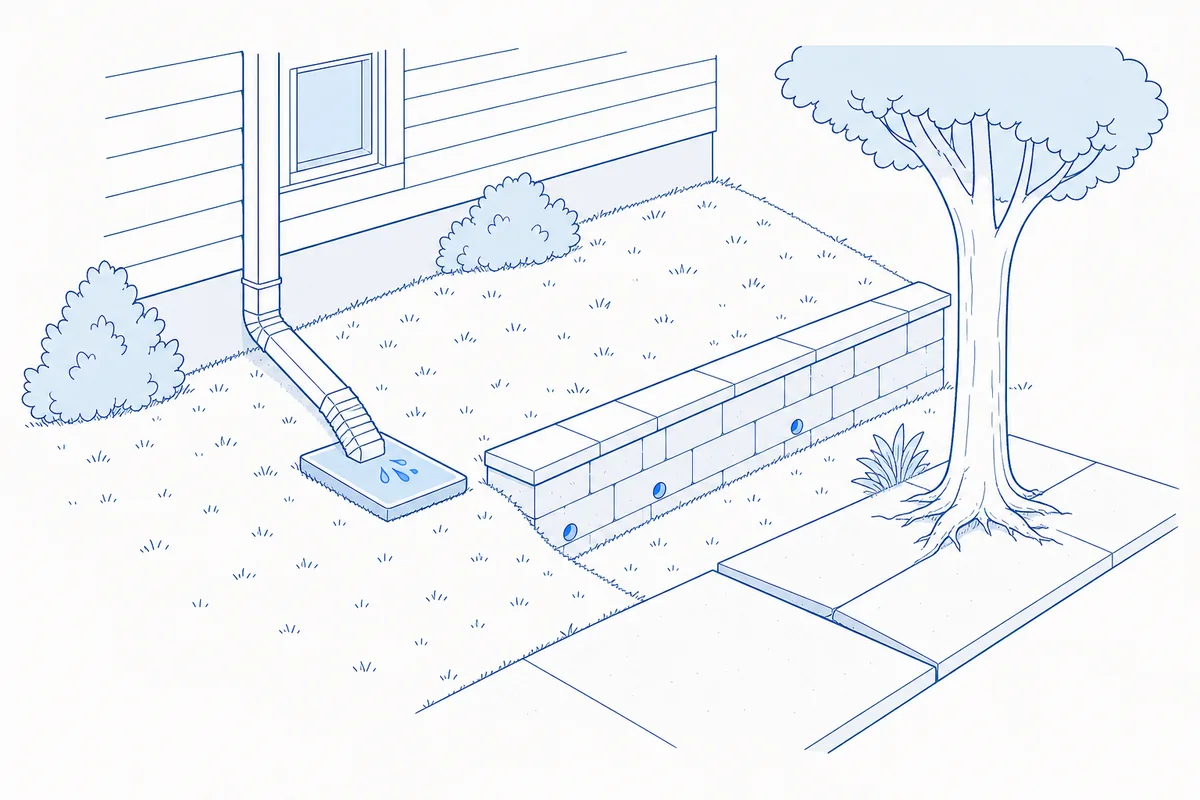
Site Conditions (5%)
About 9 of 175 scored questions
Grading and drainage, vegetation and earth-to-wood contact, retaining walls, driveways, patios and walkways, trip hazards, and pool and spa barriers.
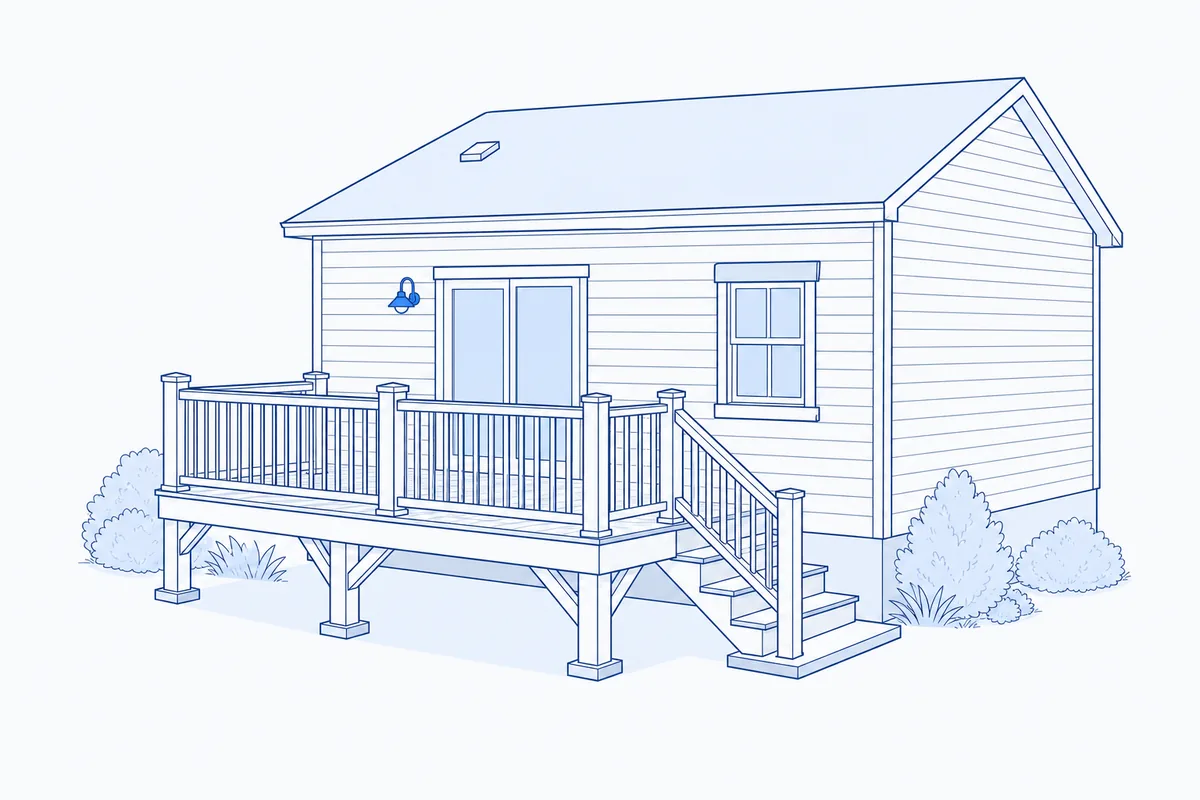
Exterior (5%)
About 9 of 175 scored questions
Wall cladding, flashing, trim, eaves, soffits and fascia, exterior doors and windows, decks, porches, stairs and railings, and garage vehicle doors and openers.
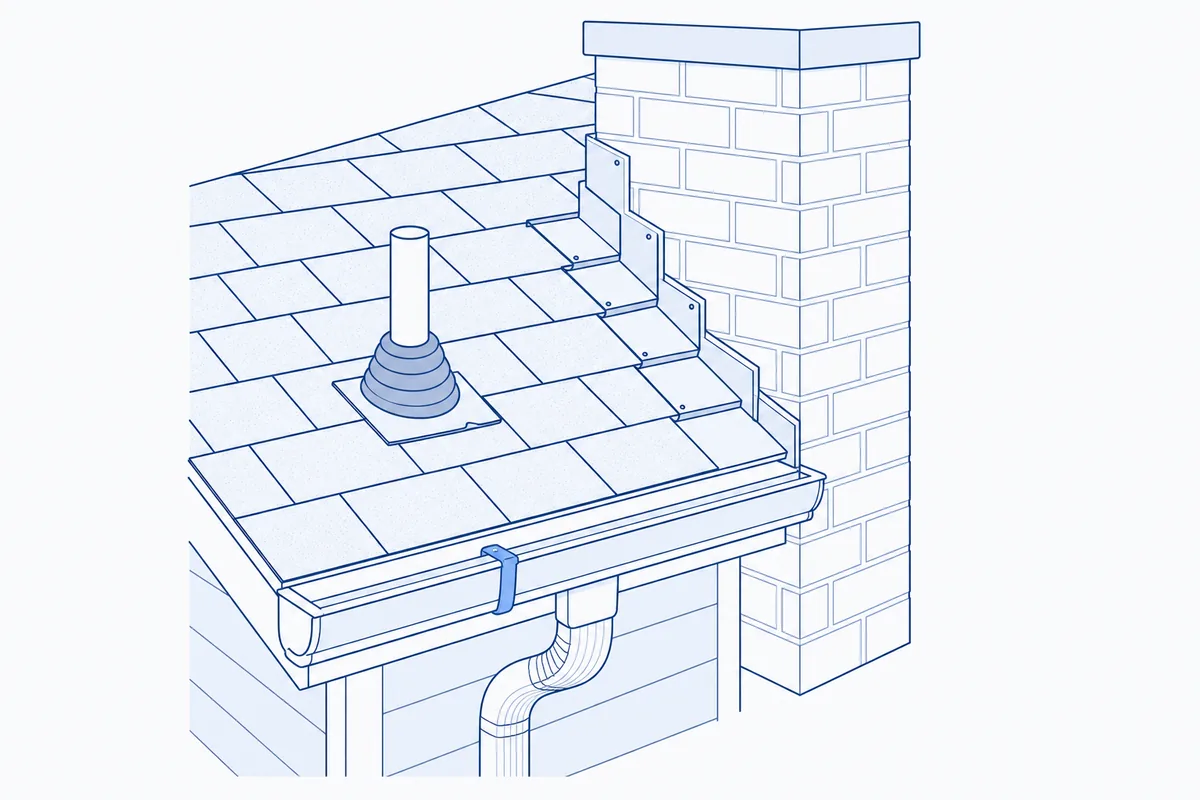
Roofing (6%)
About 11 of 175 scored questions
Roof coverings and their defects, slope limits, gutters and downspouts, flashings, valleys, skylights and other roof penetrations.
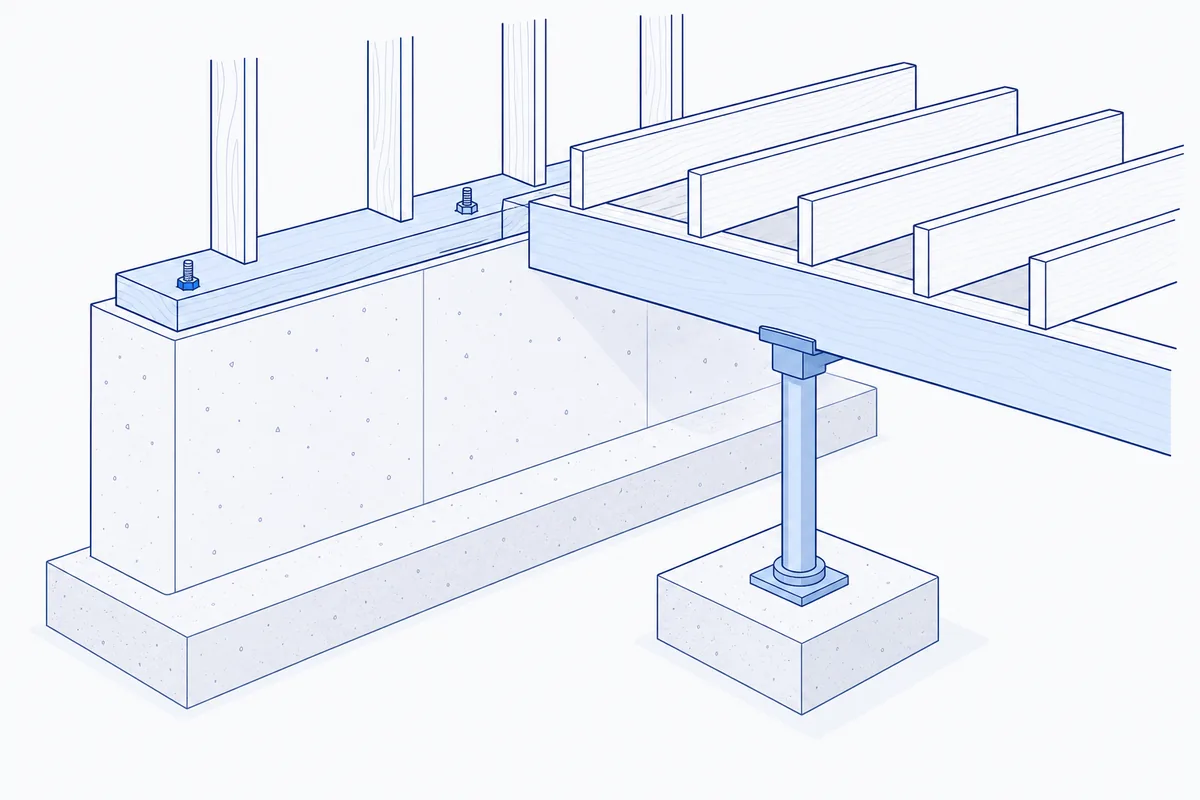
Structure (6%)
About 11 of 175 scored questions
Foundations and soils, cracks and settlement, water management, floor framing, notches and holes, walls and posts, and roof and ceiling framing and trusses.
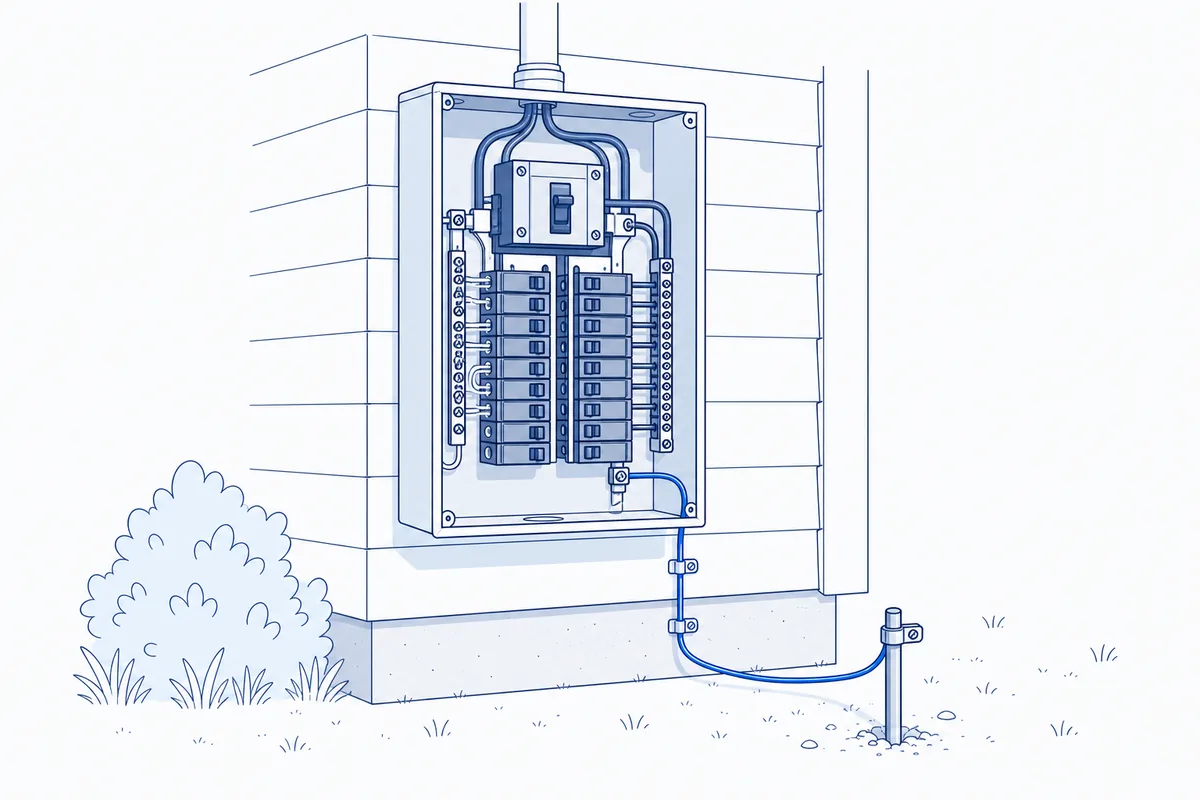
Electrical (7%)
About 12 of 175 scored questions
Service drops and laterals, grounding and bonding, panels and subpanels, breakers and fuses, GFCI and AFCI, wiring methods, aluminum and knob-and-tube wiring, devices, generators, solar and EV charging.
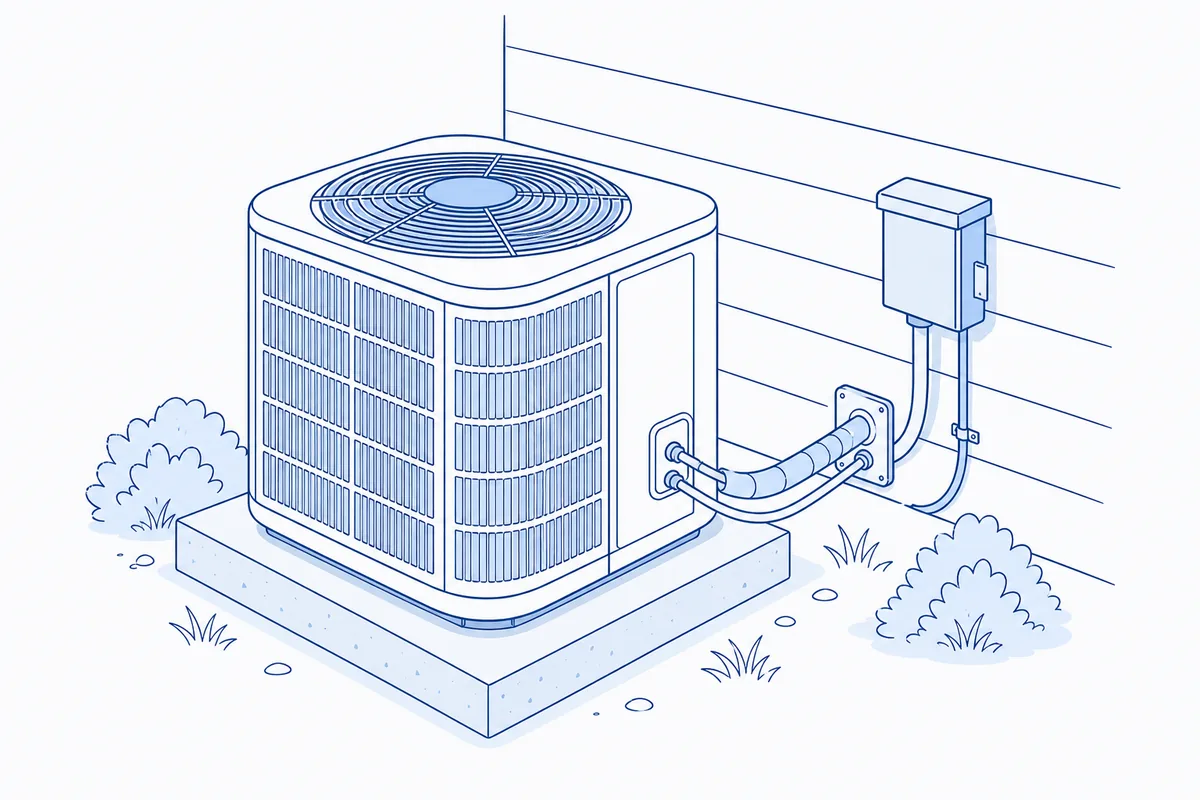
Cooling (4%)
About 7 of 175 scored questions
The refrigeration cycle, split systems and heat pumps in cooling mode, refrigerant lines, condensate disposal, disconnects and ductwork.
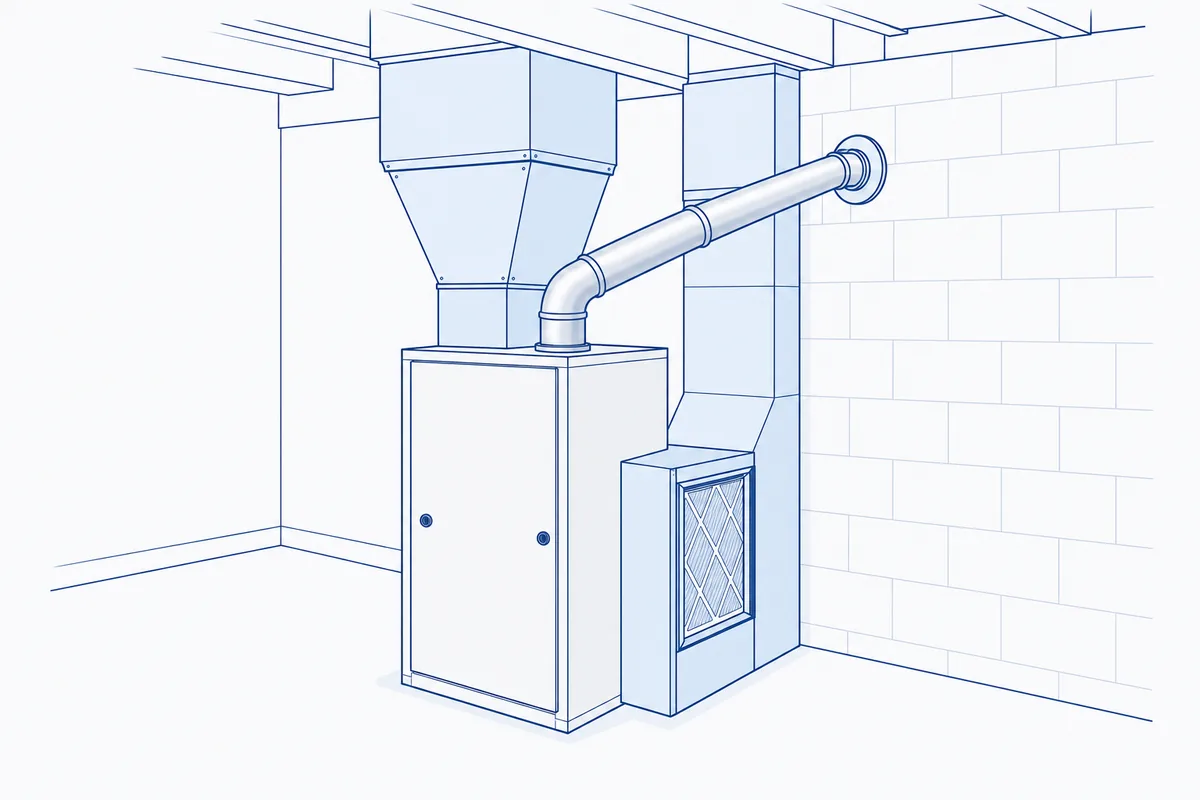
Heating (5%)
About 9 of 175 scored questions
Gas, oil and electric furnaces, boilers and heat pumps, combustion by-products and carbon monoxide, burners and heat exchangers, distribution, and vent systems.
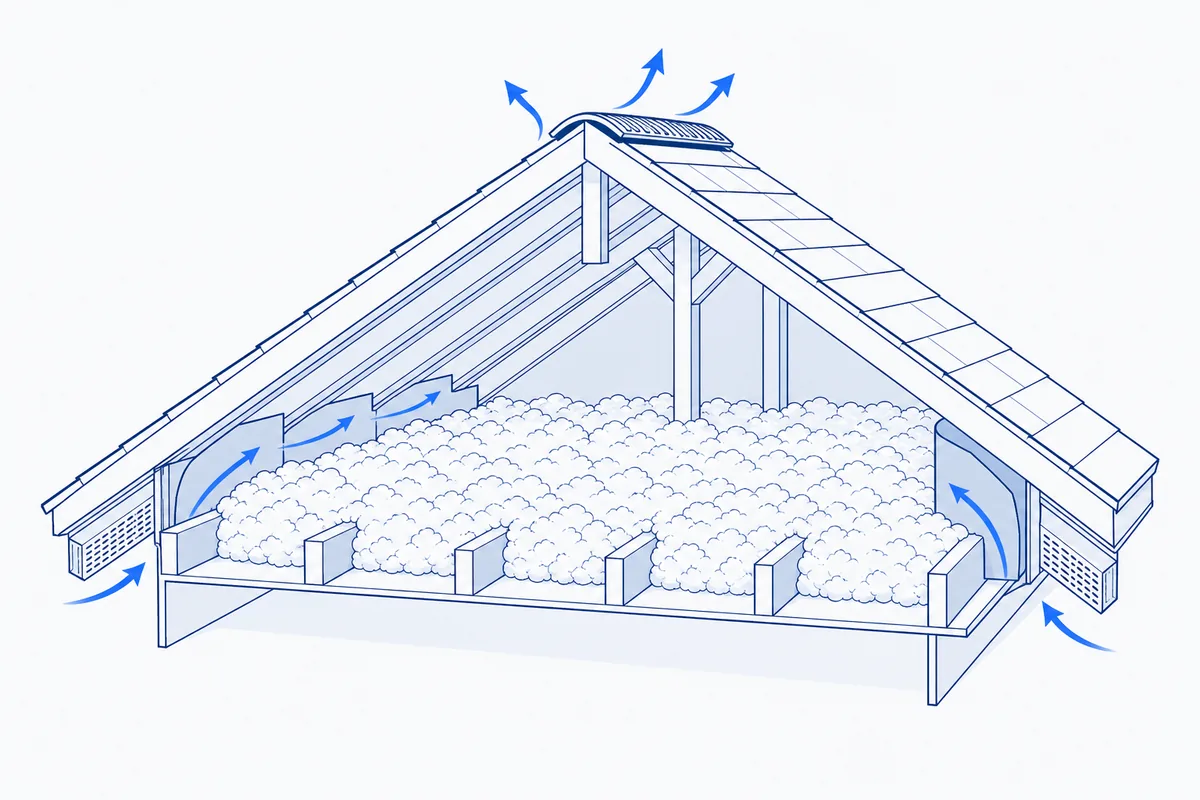
Insulation and Ventilation (5%)
About 9 of 175 scored questions
Insulation types and R-values, vapor retarders, moisture sources and condensation, attic and crawl space ventilation, and conditioned attics and crawl spaces.
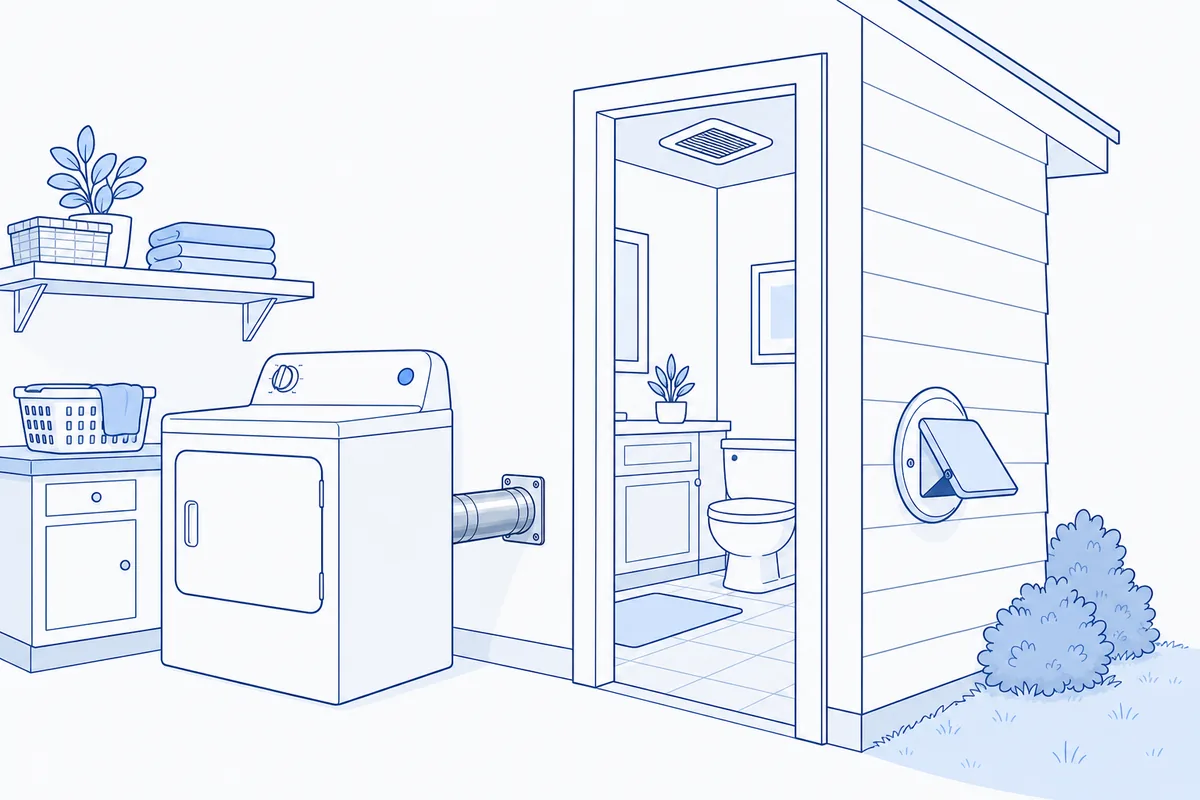
Mechanical Exhaust (5%)
About 9 of 175 scored questions
Bath and kitchen exhaust fans, clothes dryer ducts, make-up air, and heat and energy recovery ventilators.
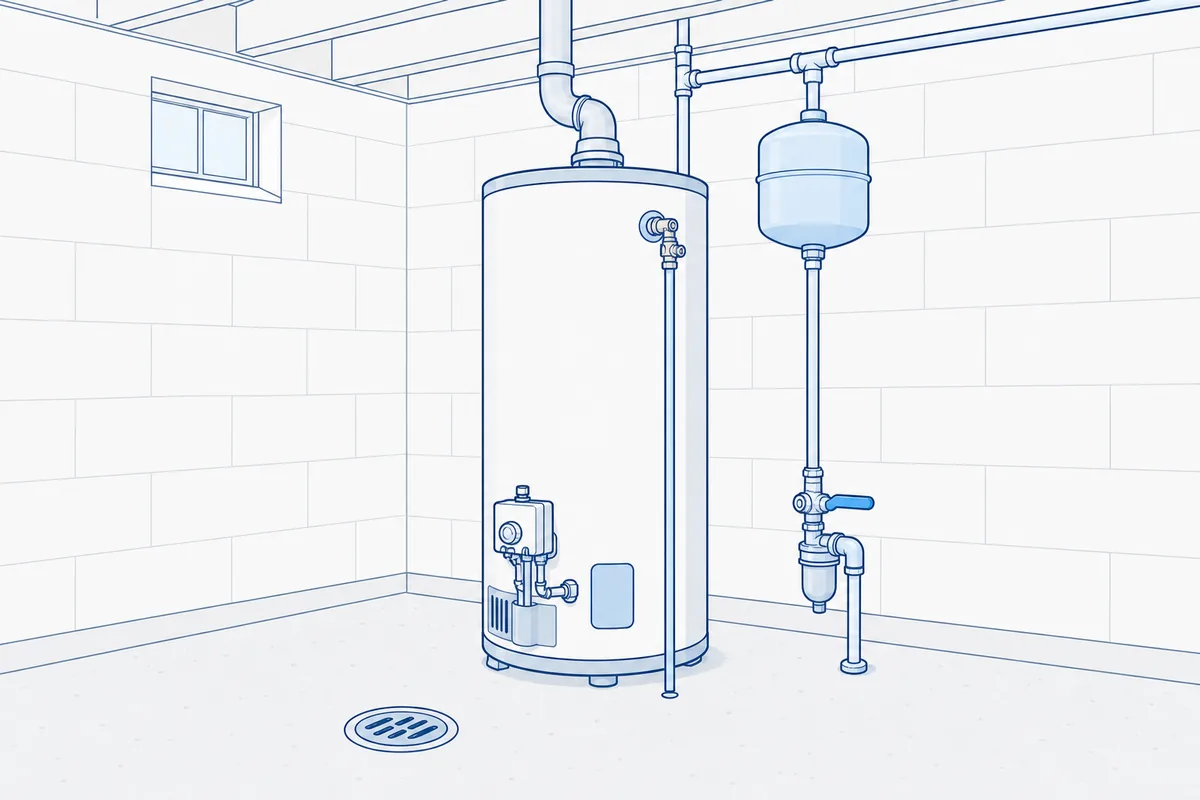
Plumbing (6%)
About 10 of 175 scored questions
Supply piping and pressure, cross-connections, fixtures and anti-scald valves, drains, traps and vents, water heaters and relief valves, fuel gas and oil piping, and sump and ejector pumps.
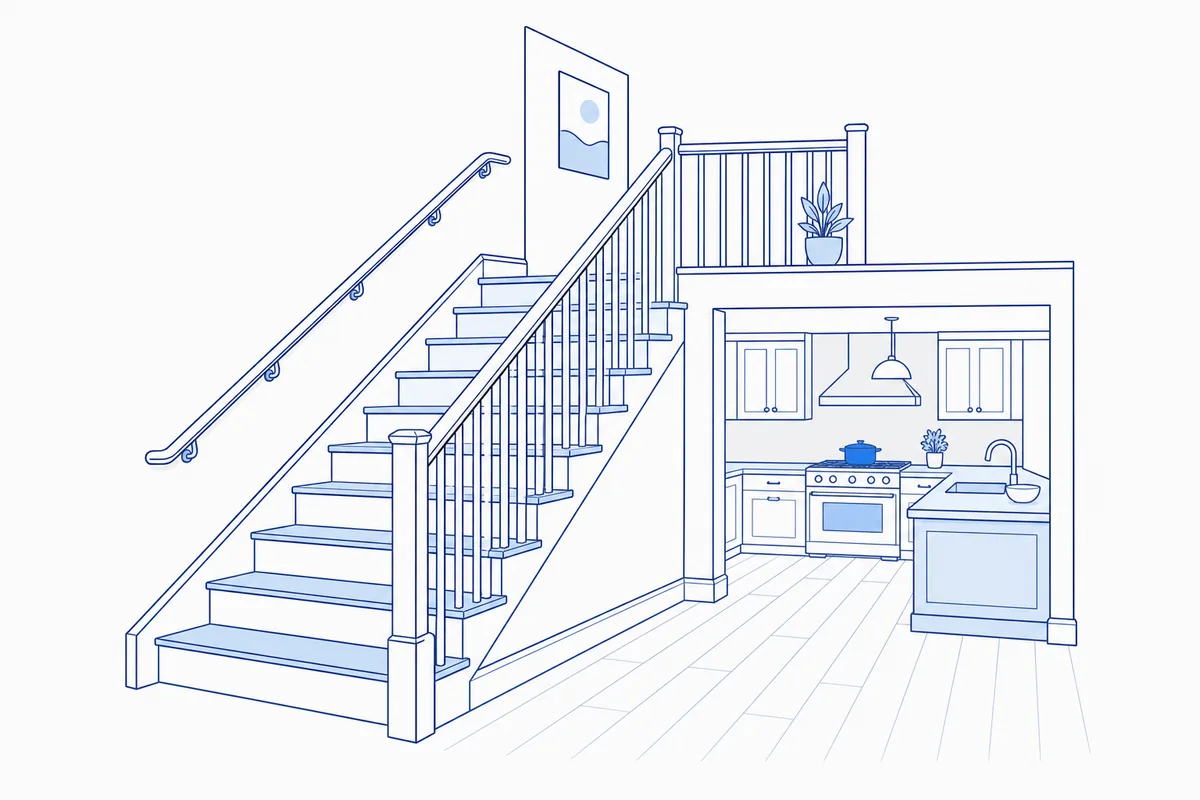
Interior (4%)
About 7 of 175 scored questions
Walls, ceilings, floors, doors and windows, safety glazing, interior stairs and guards, countertops and cabinets, kitchen appliances and smart home devices.
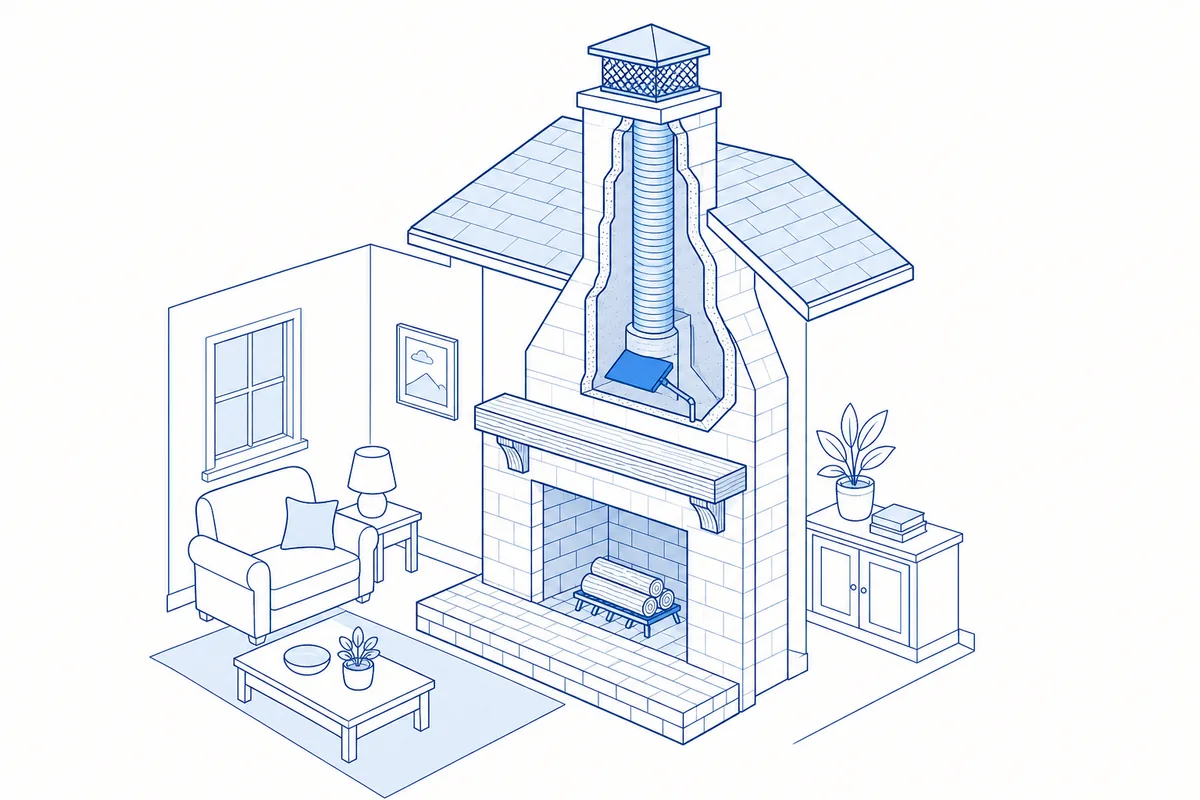
Fireplaces and Chimneys (6%)
About 10 of 175 scored questions
Masonry and factory-built fireplaces, wood and pellet stoves, gas fireplaces and vents, hearths, dampers, flue liners, chimney height and clearances, and creosote.
Life Safety (6%)
About 10 of 175 scored questions
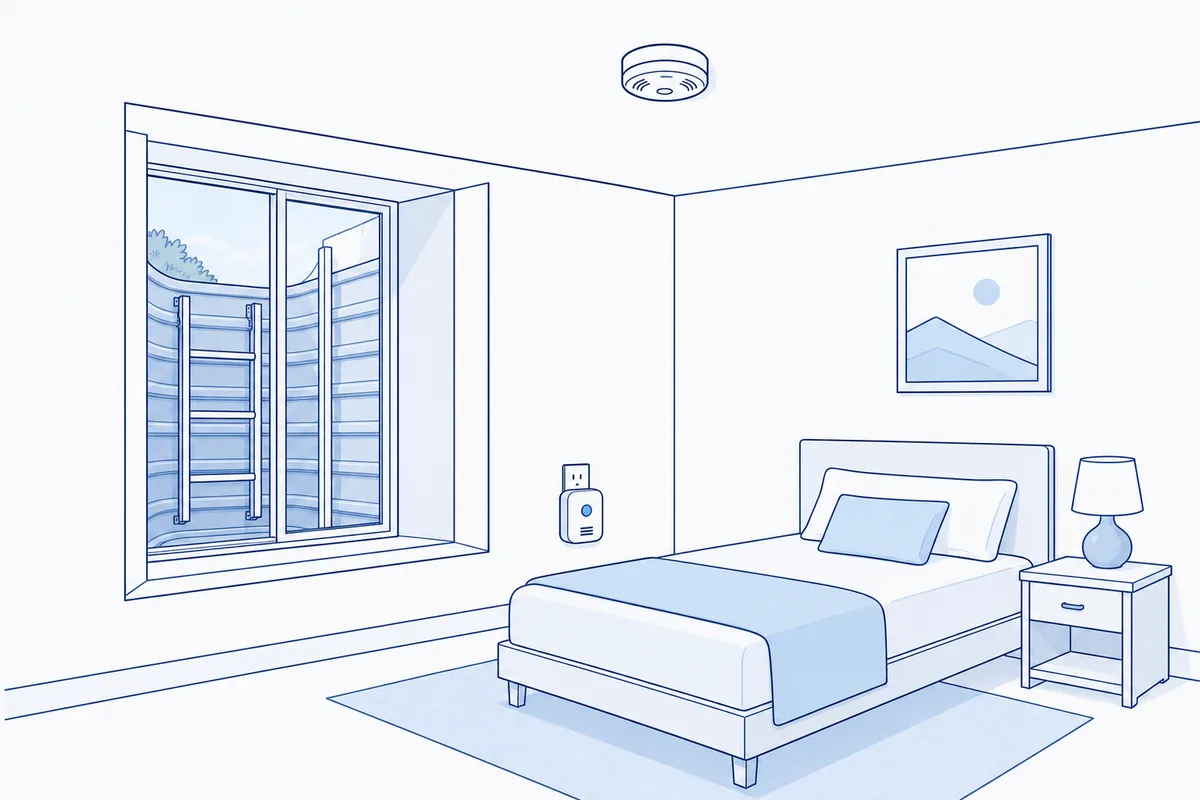
Emergency escape openings, fire separation between garage and house, fire-rated doors, smoke and carbon monoxide alarm placement, and sprinkler defects.
Reporting (20%)
About 35 of 175 scored questions
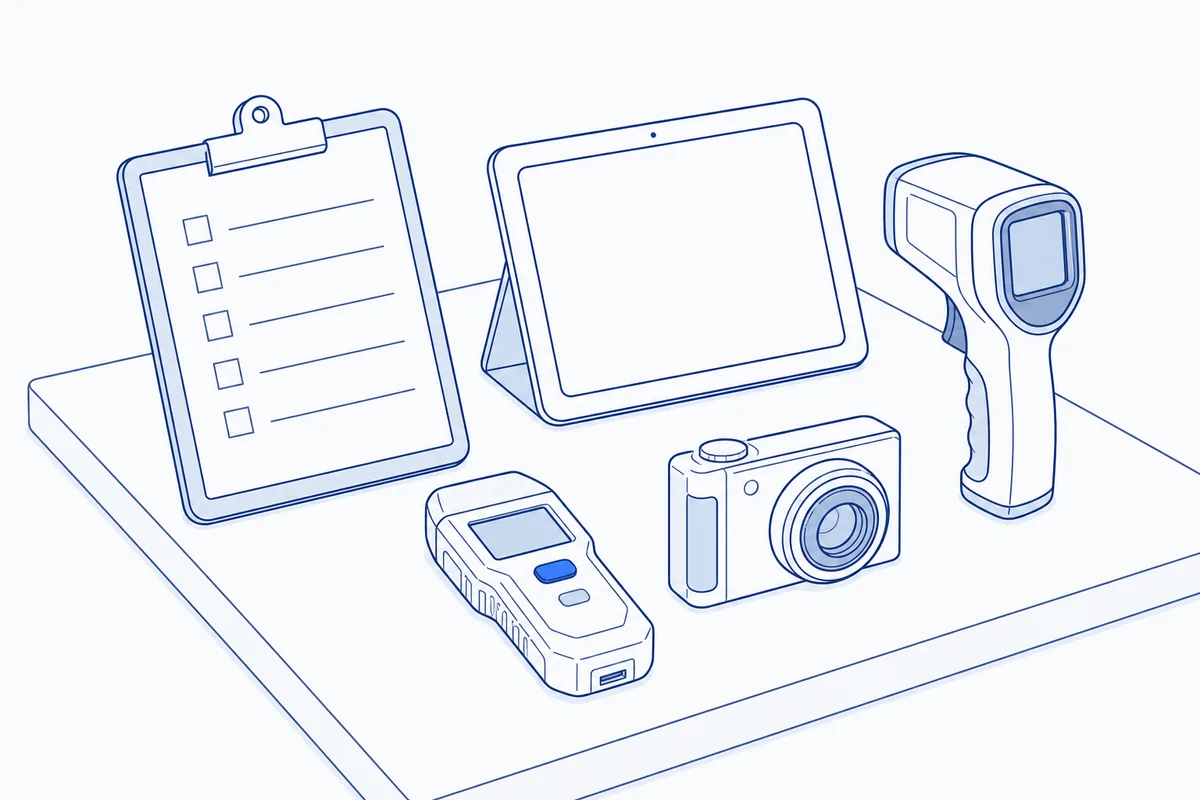
What a report must describe, inspection methods and test instruments, limitations, defects and their implications, service life, and which specialist to call for further evaluation.
Professional Responsibilities (10%)
About 17 of 175 scored questions
Pre-inspection agreements, scope and limitations, privacy, negligence and contract basics, conflicts of interest, and liability and errors-and-omissions insurance.
Mixed drill
All fifteen sections
Ten questions drawn from all fifteen sections, from site conditions to professional responsibilities, for a quick check across the whole exam.
Ready for the full exam?
200 questions in 4 hours, drawn in the outline’s share for each section, scored on the 175 that count, with an explanation for every answer.
Or start with a free drillThe National Home Inspector Exam at a glance
Answer home inspector exam questions written to EBPHI’s NHIE content outline, read the explanation for every answer, then take a timed 200-question, 4-hour practice exam in the real format with a score for every section.
EBPHI says the NHIE is used for home inspector regulation in 35 states and several Canadian provinces. The Examination Board of Professional Home Inspectors (EBPHI) writes it from a role delineation study of working inspectors, and PSI delivers it at test centers in most states. The content outline in force (© 2023), announced in PSI’s candidate bulletin for the second quarter of 2024, raised Domain 1 to 70% of the exam, from 63% in the previous outline.
- Exam
- National Home Inspector Examination (NHIE), owned and developed by the Examination Board of Professional Home Inspectors (EBPHI), an independent not-for-profit founded in 1999. Used in 35 states and several Canadian provinces for home inspector licensing
- Format
- 200 multiple-choice questions with four options each and one best answer: 175 scored and 25 unscored pretest questions placed at random throughout the exam
- Time
- 4 hours, starting when you see the first question. The tutorial before the exam does not count against your time. Calculators are not permitted
- Content
- Three domains: Property and Building Inspection/Site Review 70% (13 tasks, from site conditions to life safety), Analysis of Findings and Reporting 20%, Professional Responsibilities 10%
- Passing score
- A scaled score of 500 on a 200 to 800 scale. The passing point is criterion-referenced, set by a panel of experts with a psychometrician. EBPHI does not publish how many correct answers equal 500
- Fee
- $225 per attempt in most states and in Canada
- Where
- PSI test centers in most states. Florida, Nevada and Texas test through Pearson VUE; Illinois, South Dakota and Washington add state-specific questions; Oklahoma, Tennessee and Vermont register under state exam names
- Retakes
- As many times as you wish unless your state limits it, with a 30-day wait between attempts and a new fee each time
Where the exam fits in becoming a home inspector
- Check your state’s rules. Each regulating state sets its own training hours, insurance and other requirements, and some states test through their own administrator. EBPHI’s regulations map links to every state regulator.
- Complete the training your state requires, then register for the NHIE with PSI or your state’s test administrator and pay the $225 fee (most states).
- Take the 200-question exam in 4 hours. You need a scaled score of 500. If you do not pass, wait 30 days before your next attempt.
- Send your passing score report to your state regulator yourself; the testing center does not send it for you.
The NHIE is also a membership requirement for the American Society of Home Inspectors and several other inspector associations, and passing candidates can list their credential in EBPHI’s inspector database.
How to use this home inspector exam prep
- Take the free mixed drill to see where you stand across all fifteen sections.
- Drill reporting first: Analysis of Findings and Reporting is 20% of the exam on its own, and every system you study feeds it.
- Work through the 13 inspection sections, starting with electrical (7%) and the 6% sections: roofing, structure, plumbing, fireplaces and chimneys, and life safety.
- Finish with professional responsibilities (10%): agreements, conflicts of interest and insurance are learnable points.
- Take the full 200-question practice exam under the 4-hour clock, then drill your two lowest sections and take it again. Each new sitting draws questions you have not seen first.
Common questions
How many questions are on the National Home Inspector Exam?
200 multiple-choice questions, each with four options. 175 are scored; the other 25 are unscored pretest questions that EBPHI is trying out. They are placed at random and look like the rest, so answer every question as if it counts.
How long is the NHIE?
Four hours. The clock starts when you see the first question; the tutorial before it does not count. When four hours have passed, the exam ends. Calculators are not permitted.
What score do you need to pass the home inspector exam?
A scaled score of 500 on a scale of 200 to 800. EBPHI converts the number of questions you answer correctly to this scale so that different versions of the exam are scored fairly. EBPHI does not publish how many correct answers equal 500, so our practice exam shows your score on the 175 scored questions and in each section, not a pass line.
How much does the NHIE cost?
$225 per attempt in most states and in Canada. Fees are nonrefundable, and you have one year from the date PSI receives your fee to take the exam.
How soon can I retake the NHIE?
You must wait 30 days between attempts, and each attempt needs a new fee. EBPHI allows unlimited retakes unless your state sets a limit.
Which states use the National Home Inspector Exam?
EBPHI says the NHIE is used in 35 states and several Canadian provinces for home inspector regulation. Each state sets its own other requirements, such as training hours and insurance. Check your state regulator, linked from EBPHI’s regulations map, before you register.
Does EBPHI have an official NHIE practice test?
EBPHI sells practice quizzes by topic: the Whole House quiz has 50 questions and the others 25, and each purchase can be taken once. It no longer offers a free online sample test. The questions on this site are original practice written to EBPHI’s content outline; they are not EBPHI questions.
Is the NHIE based on a standard of practice?
No. EBPHI says the exam is not based on any membership association’s Standards of Practice. It is built from a role delineation study of home inspectors, and its listed references are the EBPHI manuals, the International Residential Code (2021), NFPA 101 Life Safety Code (2021) and the National Electrical Code (2023).
Is this home inspector practice exam the same format as the real exam?
Yes. The mock exam is 200 four-option questions in four hours: 175 scored questions drawn in the outline’s share for each section plus 25 unscored pretest questions mixed in. You can skip, go back and mark questions for review. The result shows your score on the 175 scored questions, a score for every section and an explanation for every question.
Ready for test day?
200 questions in 4 hours, drawn in the outline’s share for each section, scored on the 175 that count, with an explanation for every answer.
Or start with a free drillSources
- EBPHI: Frequently Asked Questions (questions, time, fee, scoring, retakes)
- EBPHI: Policies, Procedures, Content handbook with the NHIE content outline (© 2023)
- EBPHI: Prepare for the Exam (domains, references, practice quizzes)
- PSI: National Home Inspector Examination candidate bulletin
- EBPHI: State regulations map
- ICC: International Residential Code (IRC) 2021
Original practice questions for exam preparation, written to the EBPHI National Home Inspector Examination content outline (© 2023); they are not EBPHI exam questions. Independent practice, not affiliated with or endorsed by the Examination Board of Professional Home Inspectors (EBPHI), PSI or Pearson VUE. National Home Inspector Examination and NHIE are registered marks of EBPHI. Follow your state’s standards of practice and manufacturers’ instructions in the field.