Free NCCER Core Practice Test
Original questions for nine NCCER Core modules, from basic safety to materials handling, with every answer explained.
When ripping a narrow strip on a table saw, how should you feed the last part of the board?
338 original questions · 62 construction math questions, the largest module on the test · 50 basic safety questions tied to OSHA rules
NCCER Core practice questions by module
NCCER’s Core Level Test specification sets how many of the 89 items come from each module. Each module has a guide with study notes and free sample questions, and a free ten-question drill with an explanation after every answer.
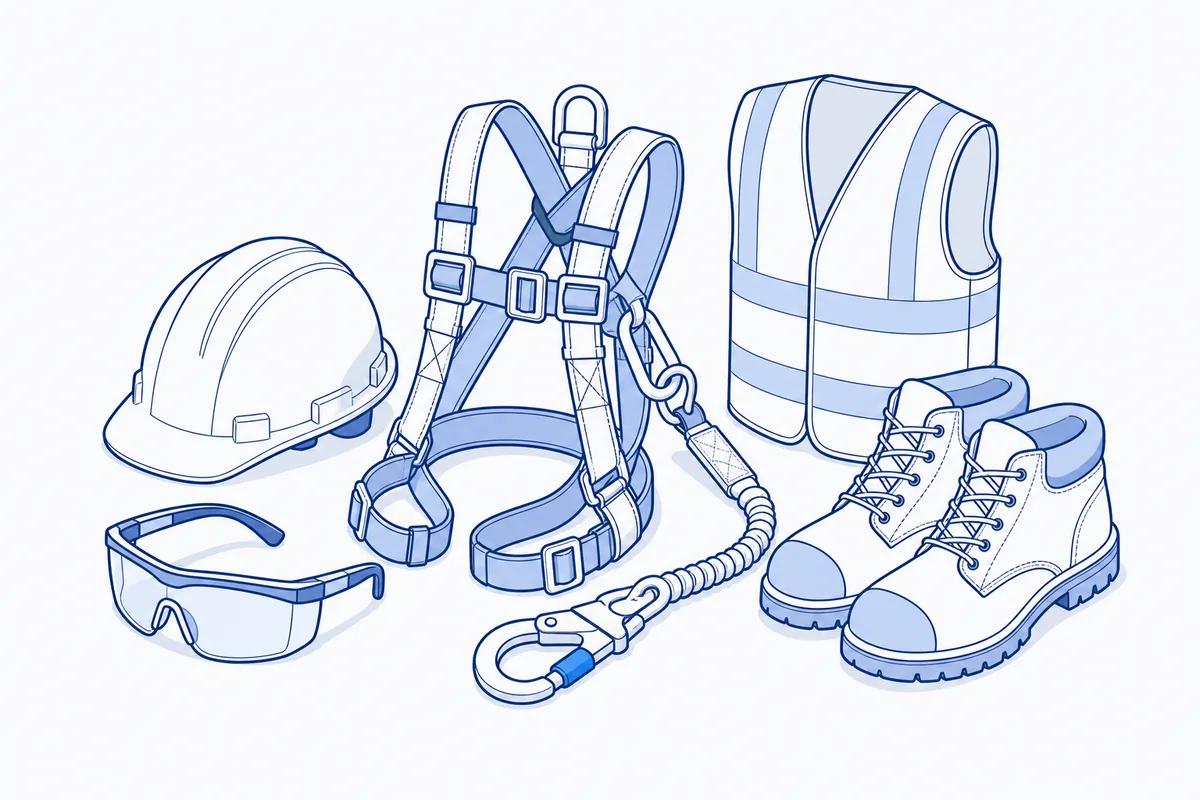
Basic Safety
Module 00101 · 13 of 89 items
Falls, ladders and scaffolds, the Focus Four hazards, electrical safety and lockout, PPE, hazard communication, fire, confined spaces and reporting.
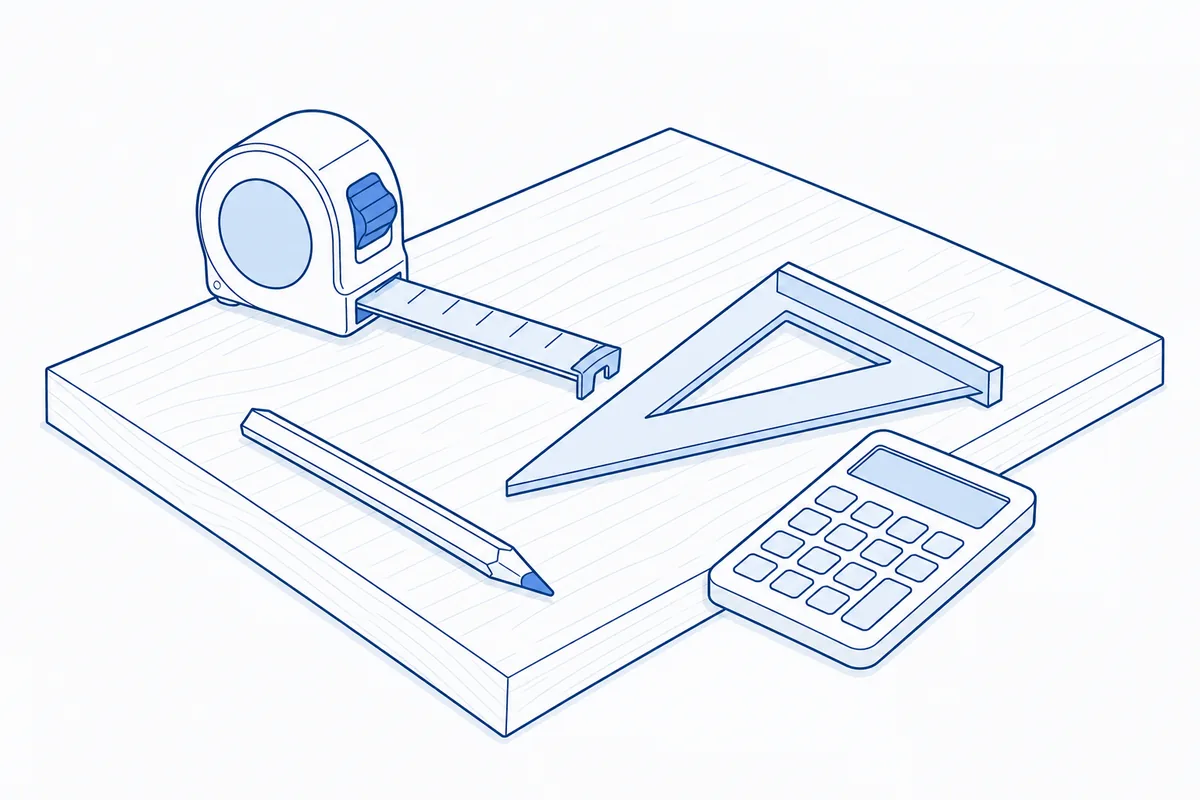
Construction Math
Module 00102 · 19 of 89 items
Fractions, decimals and percents, reading a tape measure, U.S. and metric conversions, area, volume, angles and the 3-4-5 rule.
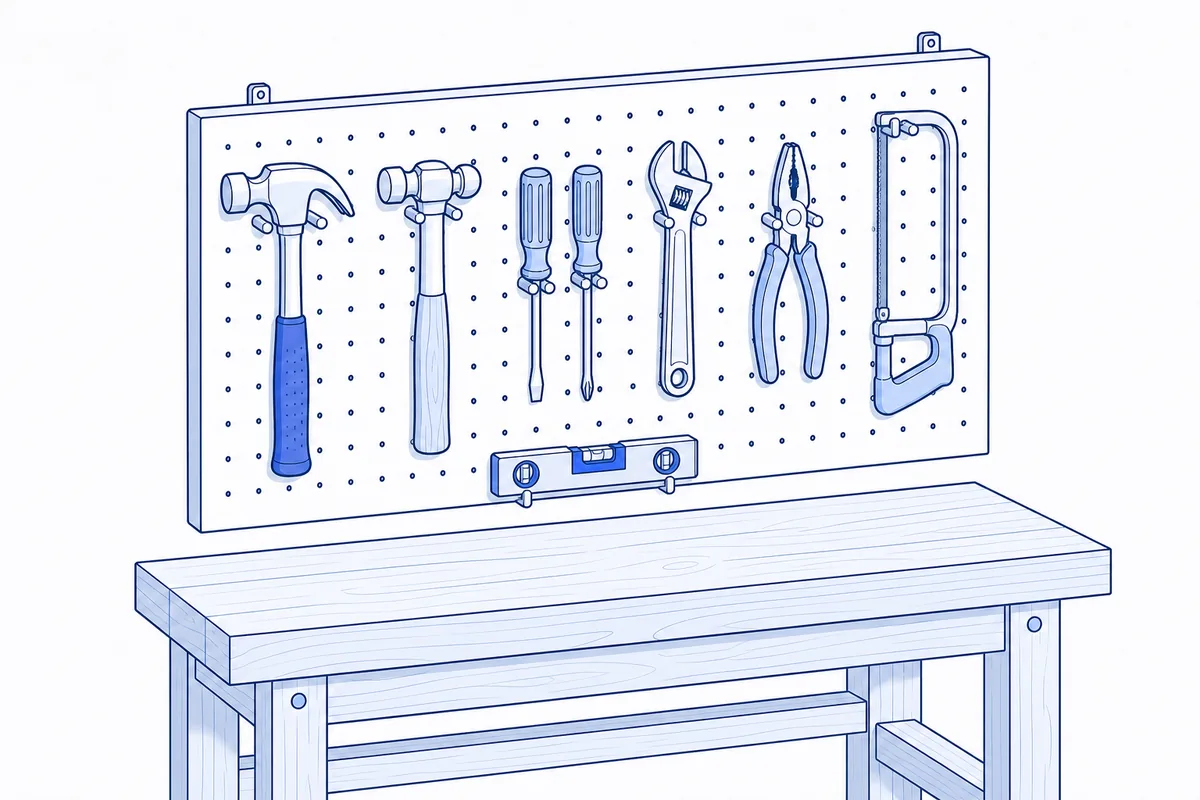
Hand Tools
Module 00103 · 13 of 89 items
Hammers, screwdrivers, wrenches, pliers, levels, squares, saws, chisels, punches and files: choosing the right tool, using it safely and caring for it.
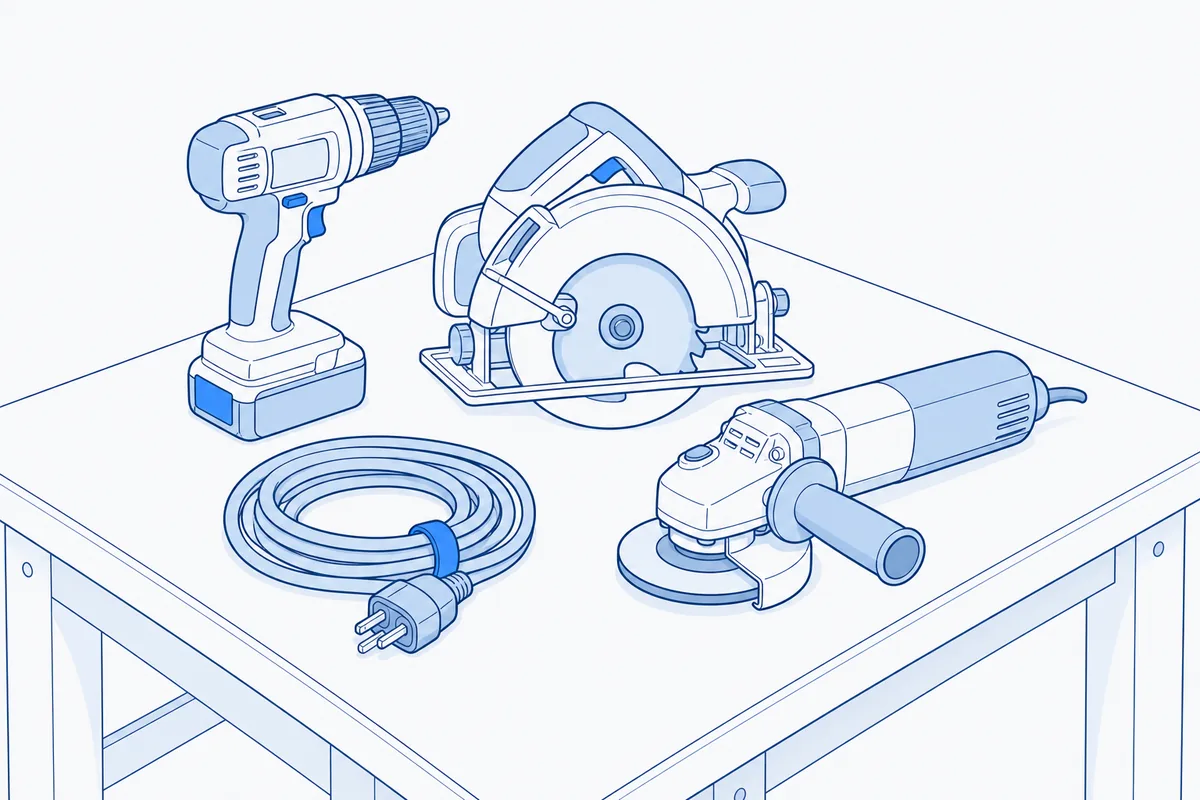
Power Tools
Module 00104 · 10 of 89 items
Drills, saws, grinders, pneumatic and powder-actuated tools: guards, cords and grounding, kickback and the OSHA rules for safe use.
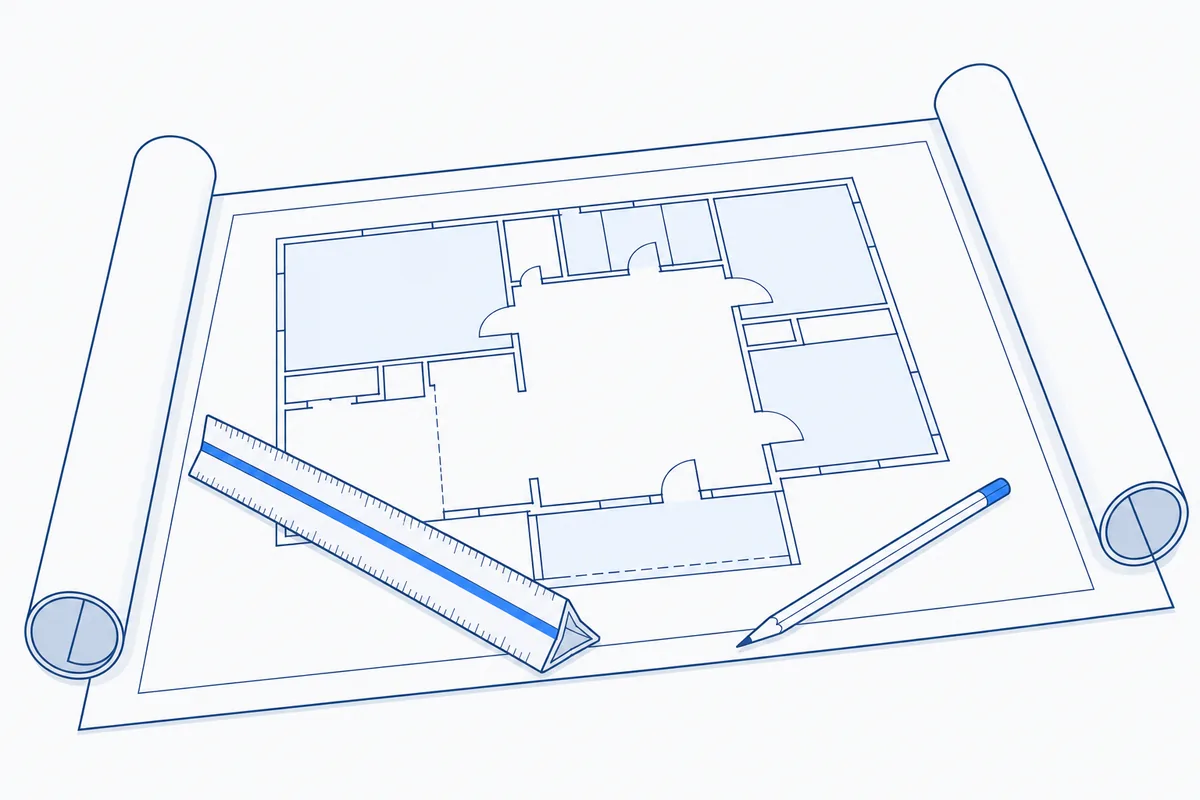
Construction Drawings
Module 00105 · 11 of 89 items
Plans, elevations, sections and details; title blocks, line types, symbols and abbreviations; architect’s and engineer’s scales.
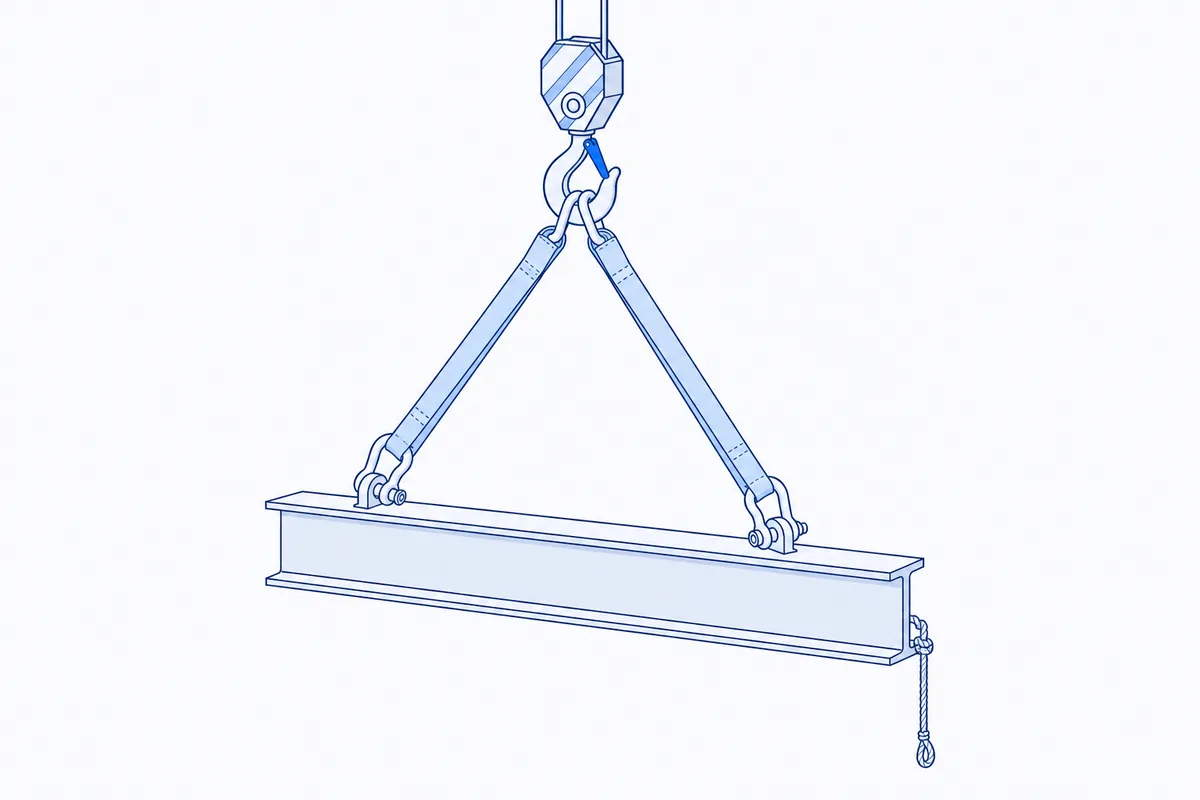
Basic Rigging
Module 00106 · elective
Slings, hitches, hardware and sling angles; inspection and removal criteria; tag lines and the crane hand signals, including emergency stop.
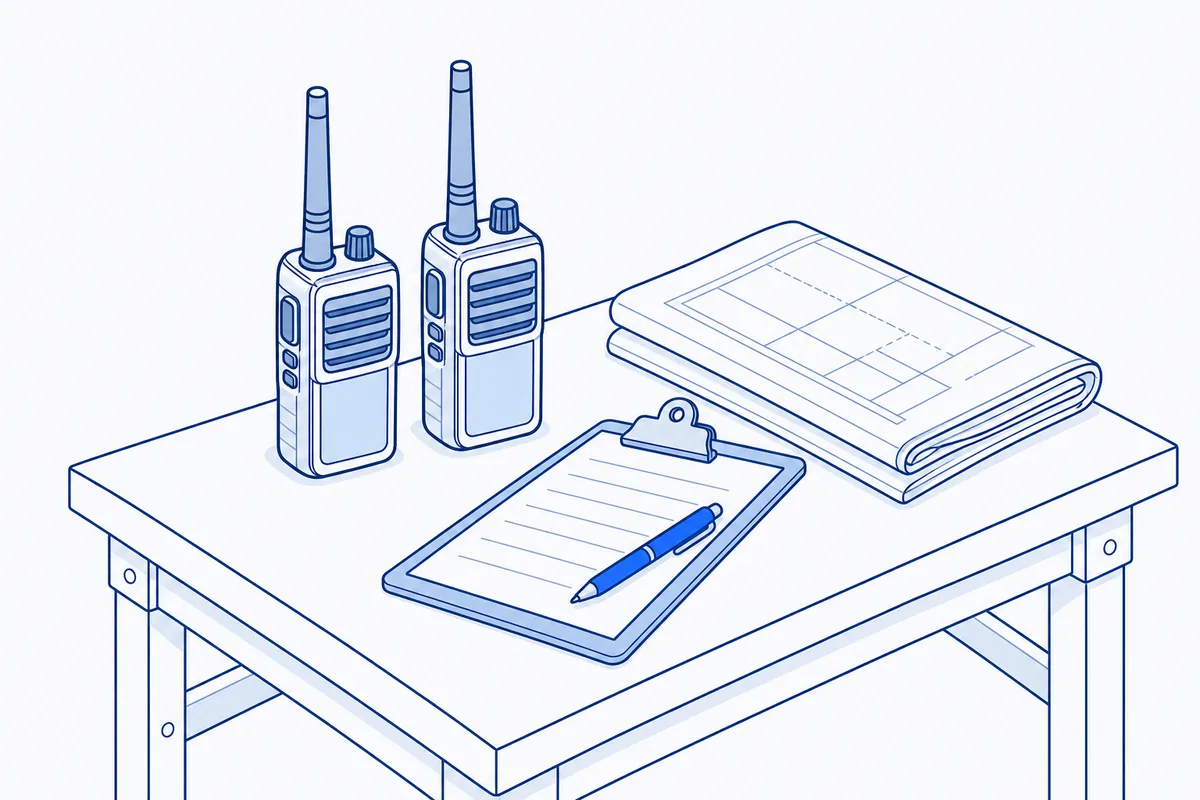
Communication Skills
Module 00107 · 9 of 89 items
Listening to understand, speaking clearly, reading job-site documents, writing reports and messages, and handling feedback and conflict.
Employability Skills
Module 00108 · 8 of 89 items
What employers expect, finding and keeping a job, apprenticeship, problem solving, teamwork, ethics, harassment and workplace rights.
Materials Handling
Module 00109 · 6 of 89 items
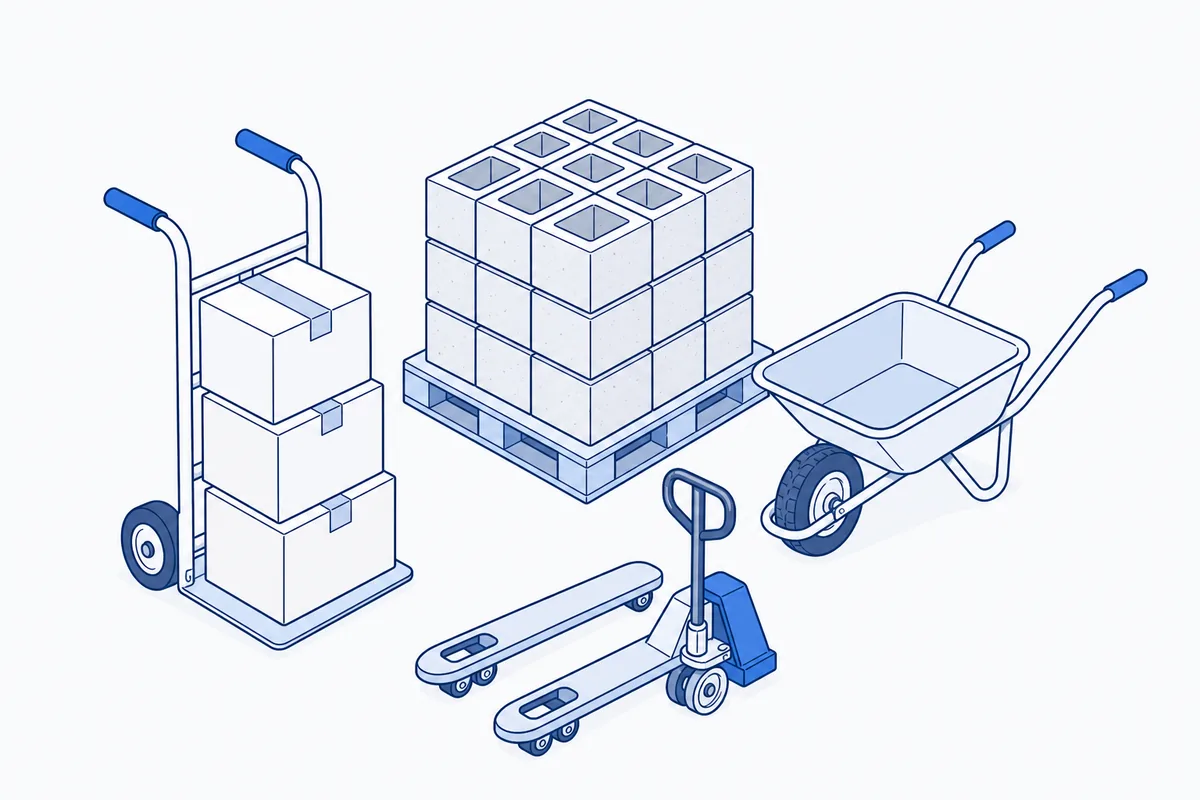
Safe lifting and team lifts, stacking and storage rules, hand trucks, forklifts and moving long or heavy materials.
Mixed
Every Core module
Ten questions drawn from all nine modules on this site, for a quick check across the curriculum.
Ready for the full practice test?
89 questions in three hours, drawn in the Core Level Test's numbers per module, with the 70 pass line and an explanation for every answer.
Or start with a free drillThe NCCER Core test at a glance
Answer NCCER Core practice questions module by module, read the explanation for every answer, then take a timed 89-question, three-hour practice test in the Core Level Test format with a score for every module.
NCCER (the National Center for Construction Education and Research) writes the Core curriculum that every NCCER craft starts with, and its tests. Training programs test Core either one module at a time or with the single Core Level Test, which covers the eight required modules. These pages follow the 6th edition, the edition in force (checked November 2026).
- What it is
- NCCER Core: Introduction to Basic Construction Skills is the entry curriculum for every NCCER craft, used in high school career and technical programs, pre-apprenticeship and company training. The current edition is the 6th, revised in 2021
- Modules
- Ten: Build Your Future in Construction (00100, elective), Basic Safety (00101), Construction Math (00102), Hand Tools (00103), Power Tools (00104), Construction Drawings (00105), Basic Rigging (00106, elective), Communication Skills (00107), Employability Skills (00108) and Materials Handling (00109). The eight required modules total 75 instruction hours
- How you are tested
- Either a written test for each module or the single Core Level Test that combines the eight required modules. Tests run online in the NCCER Testing System, given by an NCCER-accredited training program in person or with NCCER remote proctoring
- Core Level Test
- 89 items in a three-hour, closed-book test: Basic Safety 13, Construction Math 19, Hand Tools 13, Power Tools 10, Construction Drawings 11, Communication Skills 9, Employability Skills 8, Materials Handling 6
- Passing score
- A minimum score of 70 on the Core Level Test. Below 70, the whole test is taken again; there are no section retakes
- Calculator
- A basic-function, non-printing calculator is allowed, and the NCCER Testing System has one built in. No papers, books or notes
- Hands-on part
- Performance profiles: tasks you complete for your instructor in every tested module except Employability Skills. The credential needs the test and the profiles
- Module tests
- NCCER does not publish module-test lengths or time limits on its public pages; they are set in its accreditation standards for training programs
- Cost
- Billed to the training program. NCCER’s 2021 launch notice set the Core Level Test at $27 per attempt, retests included. Students usually do not pay NCCER directly
- Credential
- Passing results and profiles go into your NCCER account, where you and your program can view and print the credential. More than 310,000 people earned NCCER credentials in 2025 (all crafts)
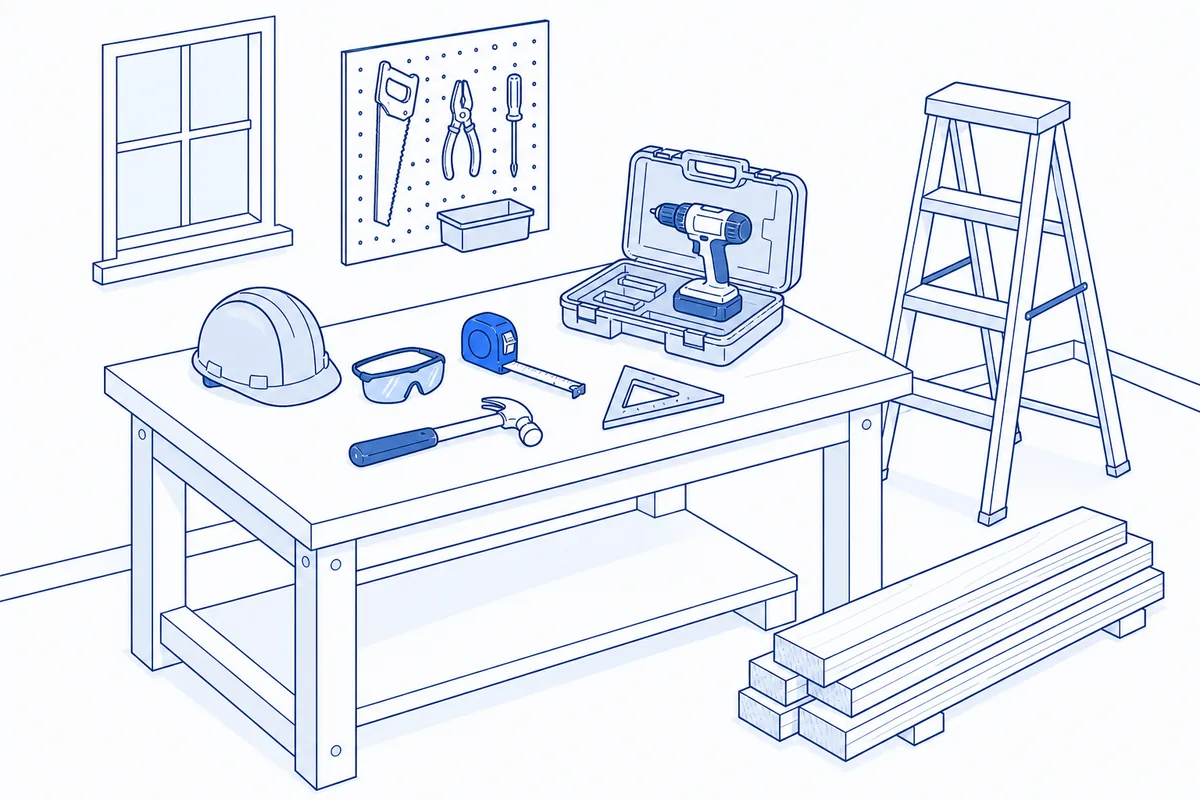
Where the test fits in earning the NCCER Core credential
- Enroll in an NCCER-accredited training program: a high school career and technical program, a pre-apprenticeship, a craft training center or an employer program.
- Work through the Core modules with your instructor (75 instruction hours for the eight required modules in the 6th edition).
- Take the module tests or the Core Level Test online in the NCCER Testing System, in person or with NCCER remote proctoring.
- Pass with a score of 70 or more and complete the hands-on performance profiles your instructor signs off.
- View and print your credential in your NCCER account, then move on to a craft curriculum such as carpentry, electrical, HVAC, plumbing or welding.
How to use this NCCER Core test prep
- Take the free mixed drill to see where you stand across the modules.
- Drill construction math first: it is 19 of the 89 items, more than any other module, and a basic calculator is allowed.
- Drill basic safety and hand tools next (13 items each), then construction drawings (11) and power tools (10).
- Clear communication skills, employability skills and materials handling (23 items together); these reward careful reading.
- Take the full 89-question practice test under the three-hour clock, then drill your two lowest modules and take it again. Each new sitting draws questions you have not seen first.
- If your program teaches Basic Rigging, use its guide and drill before the module test; it is not on the Core Level Test.
Common questions
How many questions are on the NCCER Core test?
The Core Level Test has 89 items: Basic Safety 13, Construction Math 19, Hand Tools 13, Power Tools 10, Construction Drawings 11, Communication Skills 9, Employability Skills 8 and Materials Handling 6. If your program uses module tests instead, each of the ten modules has its own test; NCCER does not publish their lengths on its public pages.
What score do you need to pass the NCCER Core test?
A minimum score of 70 on the Core Level Test. If you score below 70, you take the whole test again; NCCER does not allow retaking one section. On our 89-question practice test, 63 correct (70.8%) is the first score at or above 70.
How long is the NCCER Core Level Test?
Three hours. It is closed book; a basic-function, non-printing calculator is allowed, and the NCCER Testing System has a built-in calculator.
What modules are in NCCER Core?
The 6th edition has ten modules: Build Your Future in Construction (00100, elective), Basic Safety (00101), Introduction to Construction Math (00102), Introduction to Hand Tools (00103), Introduction to Power Tools (00104), Introduction to Construction Drawings (00105), Introduction to Basic Rigging (00106, elective), Basic Communication Skills (00107), Basic Employability Skills (00108) and Introduction to Materials Handling (00109).
Is Basic Rigging on the NCCER Core Level Test?
No. Basic Rigging (00106) is an elective module, and the Core Level Test covers the eight required modules only. Programs that teach it give its module test. This site has a Basic Rigging guide and drill, which are not part of the 89-question practice test.
How do you take the NCCER Core test?
Through an NCCER-accredited training program, such as a high school career and technical program, a pre-apprenticeship or a company training program. Tests run online in the NCCER Testing System, in person or with NCCER remote proctoring, and your instructor also signs off hands-on performance profiles.
How much does the NCCER Core test cost?
NCCER bills the training program. Its 2021 notice launching the Core Level Test set the fee at $27 per attempt, including retests. Most students take it through a school or employer and do not pay NCCER themselves.
Are these questions from the NCCER test?
No. NCCER test items are secure, and every question here is original practice written by us to the module list NCCER publishes for the Core Level Test, checked against OSHA rules, ASME and ANSI standards and standard drawing and math conventions. The practice test copies the published format: 89 questions in three hours, drawn in the same numbers per module, with a score for every module and the 70 pass line.
Ready for test day?
89 questions in three hours, drawn in the Core Level Test's numbers per module, with the 70 pass line and an explanation for every answer.
Or start with a free drillSources
- NCCER: Core Level Test specifications, 6th edition, updated March 2024 (89 items, 3 hours, closed book, passing score 70, items per module)
- NCCER: Core: Introduction to Basic Construction Skills, 6th edition (modules and electives)
- NCCER: News brief, Core Level Test now available (online only, no section retakes, fee per attempt)
- NCCER: 2024 catalog (module hours and prices)
- NCCER: Accreditation process (in-person test administration and remote proctoring)
- NCCER: Accreditation standards and test specifications
- NCCER: 2025 Annual Report (credentials earned in 2025)
Original practice questions written to the module list NCCER publishes for its Core Level Test (6th edition); they are not NCCER test questions and contain no NCCER curriculum text. Independent practice, not affiliated with or endorsed by NCCER (the National Center for Construction Education and Research). NCCER is a trademark of the National Center for Construction Education and Research.