Free Medical Lab Practice Test (ASCP MLS and MLT)
Medical laboratory scientist and technician practice questions written to the ASCP BOC content guidelines, with an explanation for every answer.
Which anaerobic gram-negative bacillus grows in 20% bile and is the most common anaerobe in intra-abdominal infections?
452 original questions · 29 lab calculation questions in their own drill · 31 MLS-only questions on management, education and advanced topics
MLS and MLT practice questions by content area
ASCP’s content guidelines give each area a share of the exam. Each area has a guide with free sample questions and a free ten-question drill with an explanation after every answer.
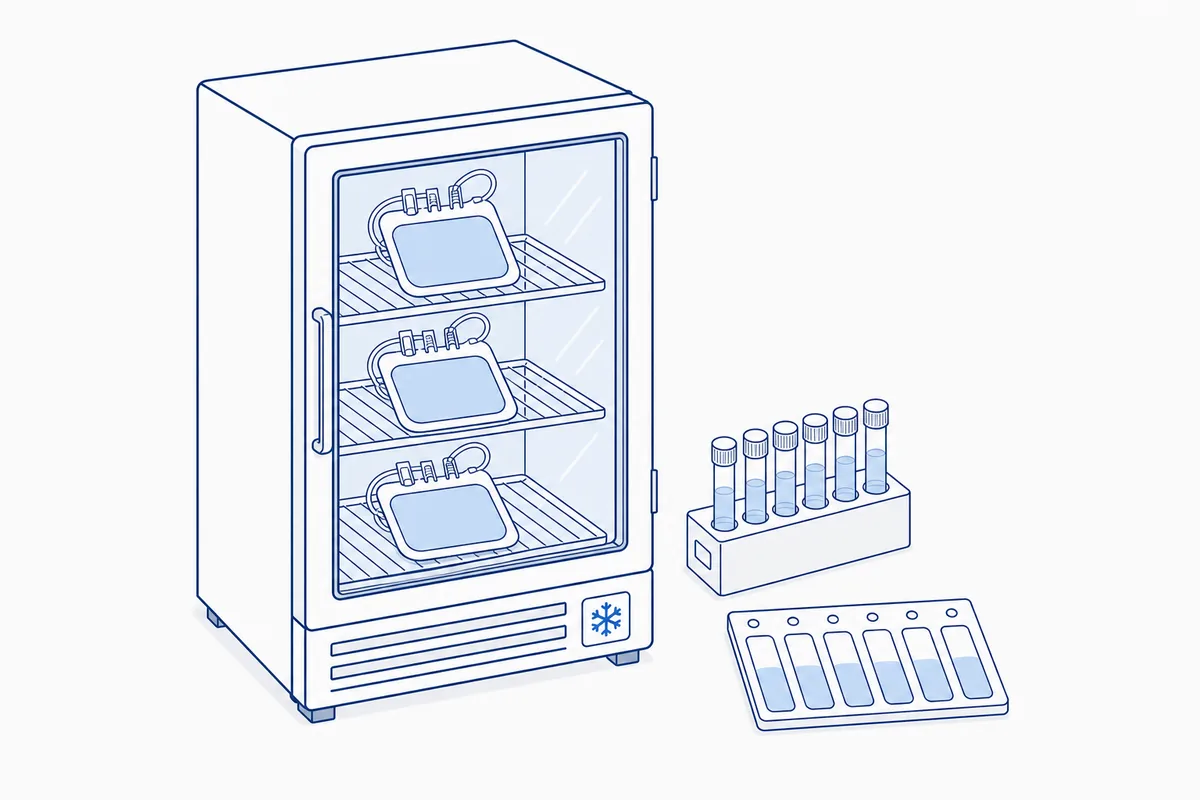
Blood Banking
MLT 15–20% · MLS 17–22%
Blood products and storage, donors, ABO, Rh and other blood group systems, antibody screening and identification, crossmatching, HDFN and transfusion reactions.
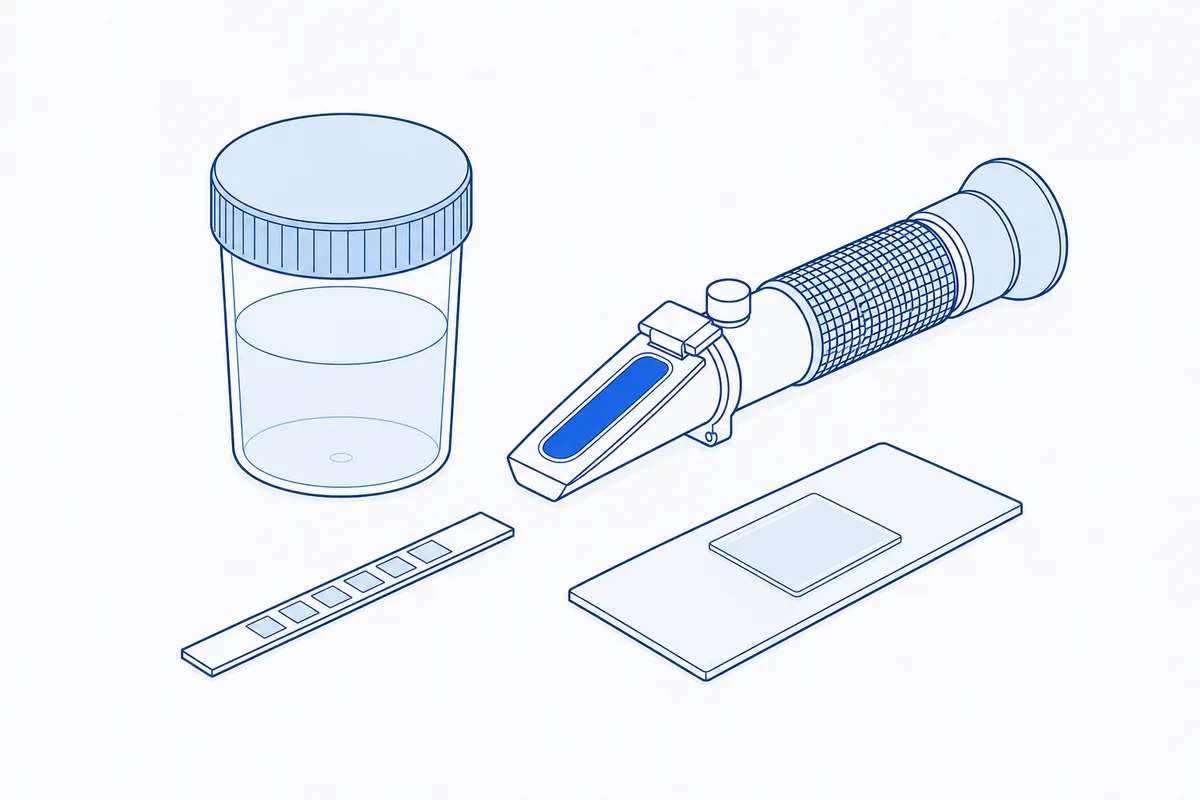
Urinalysis and Other Body Fluids
MLT 5–10% · MLS 5–10%
Physical and reagent strip testing, urine sediment cells, casts and crystals, renal physiology and disease, and CSF, synovial, serous and other body fluids.
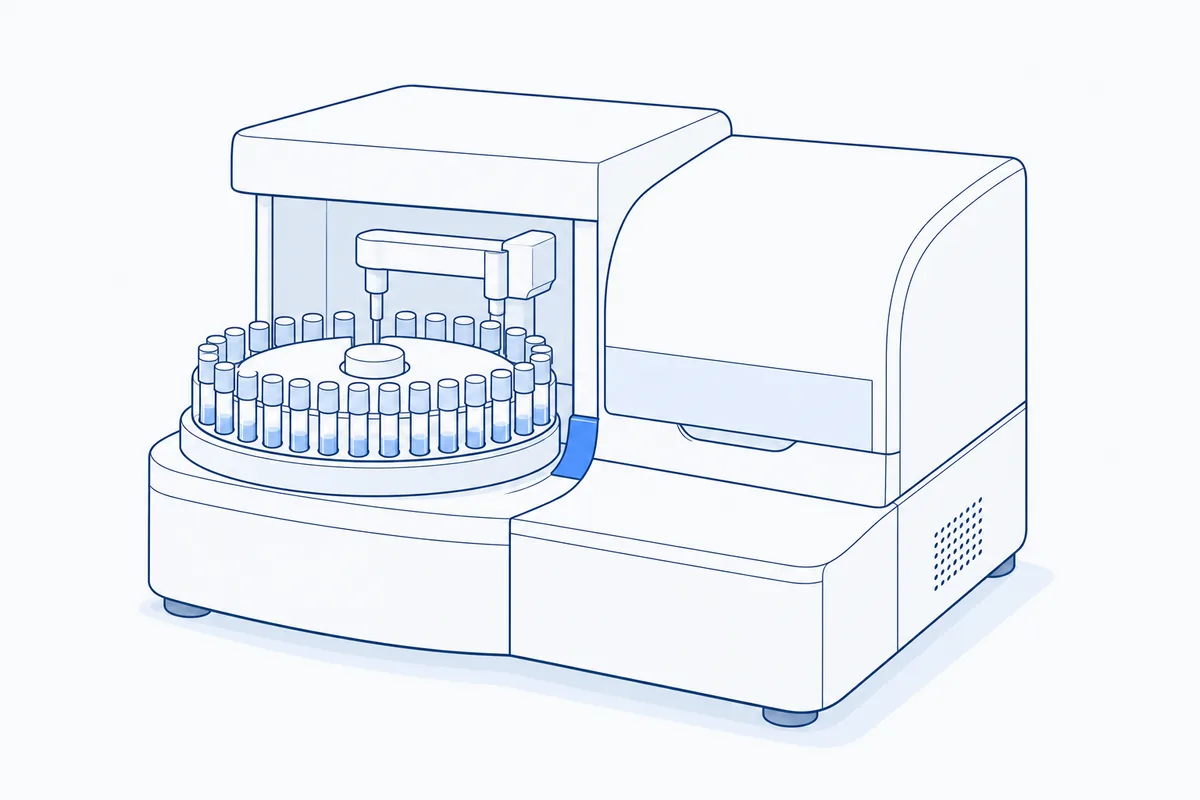
Chemistry
MLT 20–25% · MLS 17–22%
Glucose, lipids, bilirubin, enzymes, proteins and nitrogen compounds, blood gases and electrolytes, endocrinology, vitamins, therapeutic drugs and toxicology.
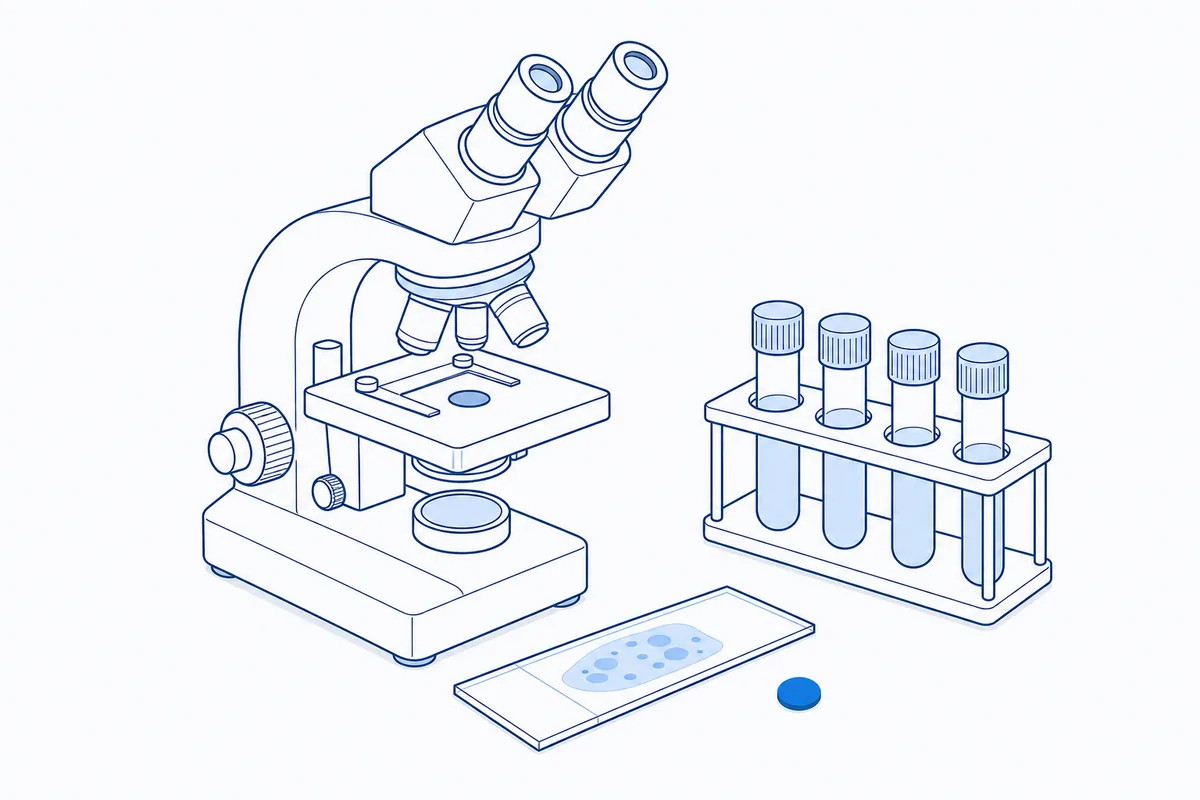
Hematology
MLT 20–25% · MLS 17–22%
Red cell, white cell and platelet disorders, leukemias, cell counts, indices and morphology, special stains, flow cytometry and hemostasis testing.
Immunology
MLT 5–10% · MLS 5–10%
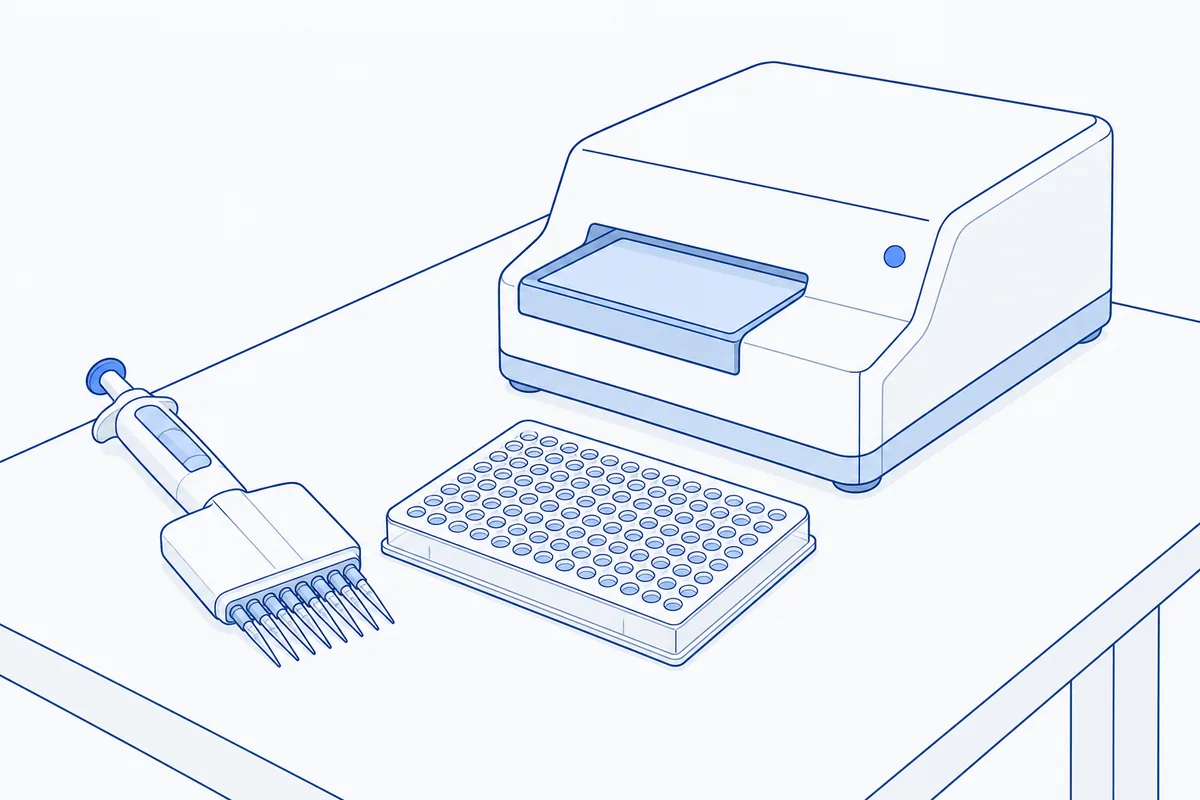
Immune system basics, antibodies and complement, autoimmune and immunodeficiency disease, transplantation, hepatitis, HIV and syphilis serology, and immunoassays.
Microbiology
MLT 15–20% · MLS 17–22%
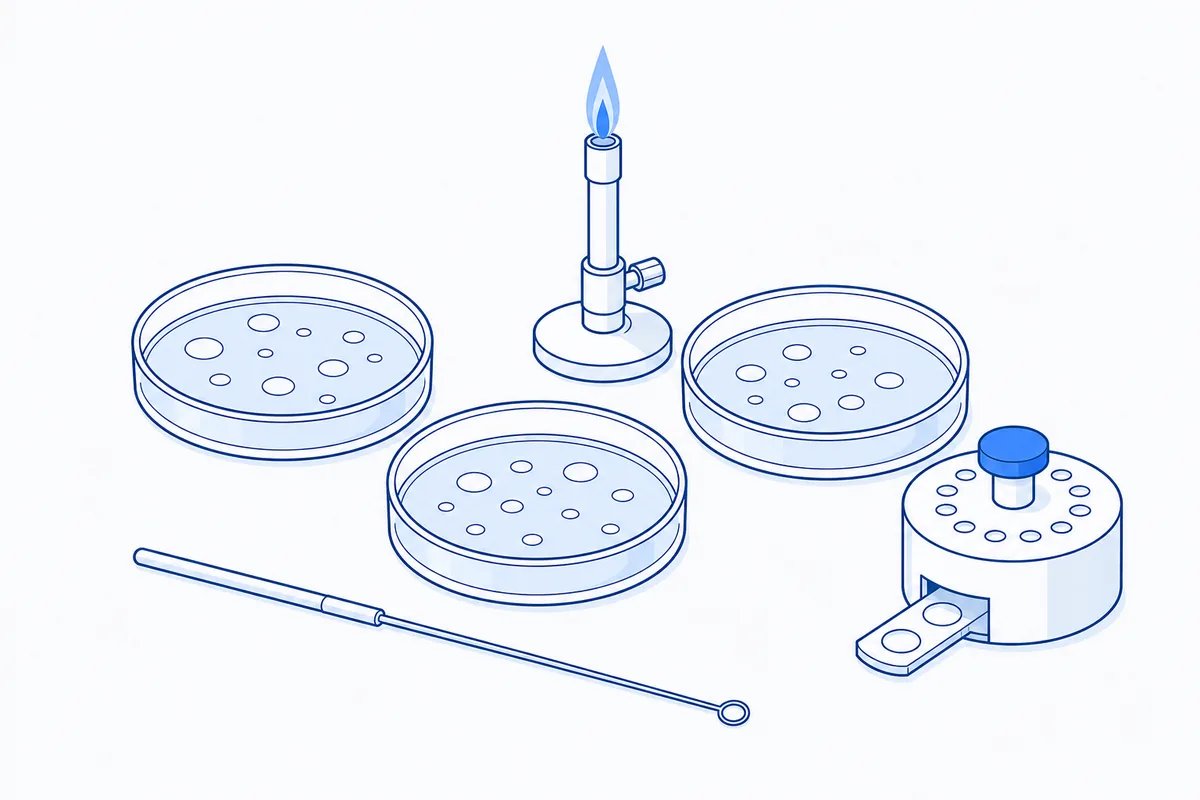
Specimen collection and processing, media, stains, bacterial identification, susceptibility testing and resistance, mycobacteria, viruses, parasites and fungi.
Laboratory Operations
MLT 5–10% · MLS 5–10%
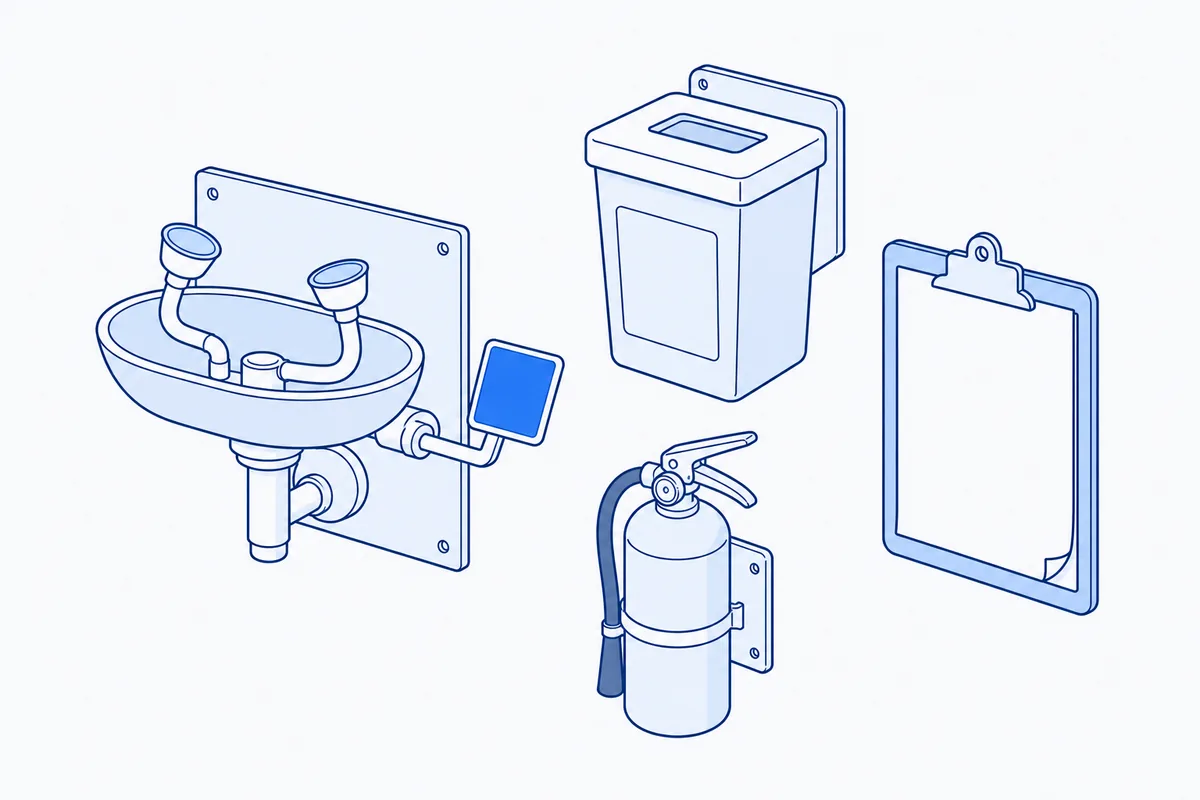
Quality control and Westgard rules, regulation and proficiency testing, safety, laboratory math and instrumentation; the MLS adds management and education principles.
Lab Calculations
29 calculation questions from every area
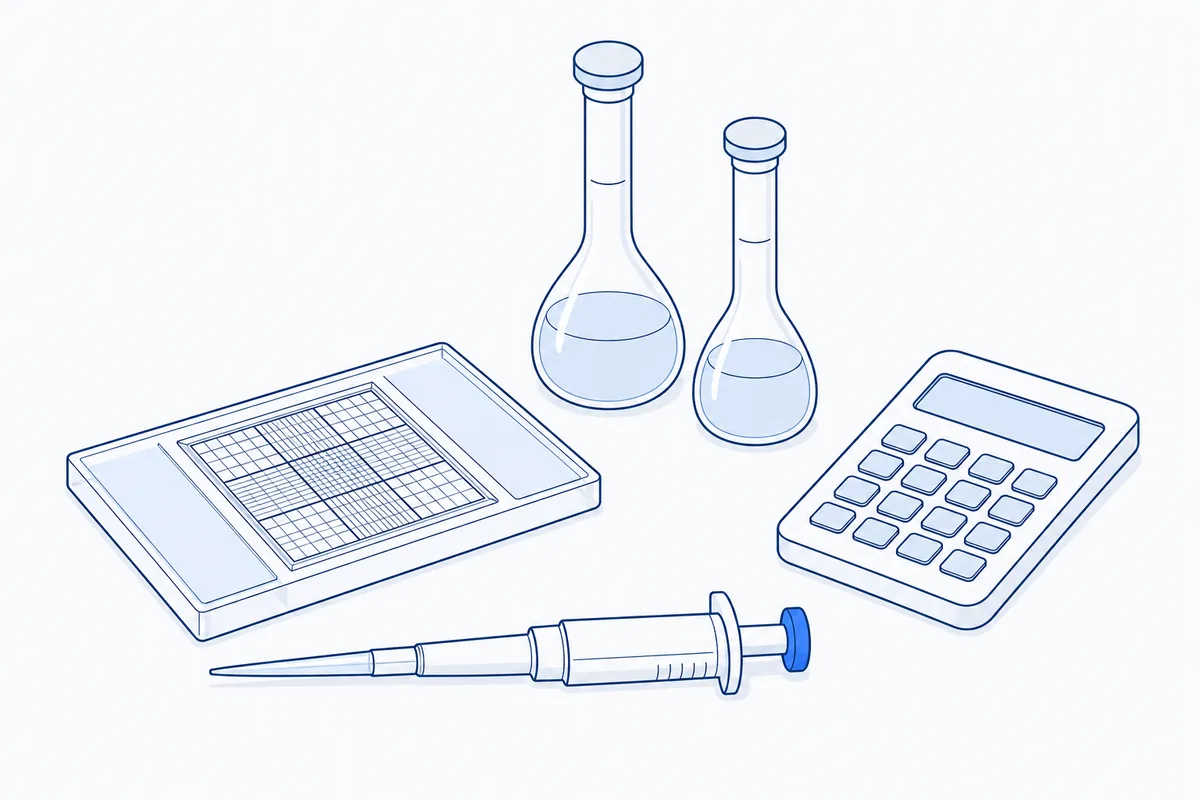
The calculations ASCP lists for both exams: LDL, indirect bilirubin, A/G ratio, transferrin saturation, creatinine clearance, Beer’s law, corrected WBC, hemocytometer counts, red cell indices and absolute counts, plus dilutions, molarity and QC statistics.
Ready for the full exam?
100 four-option questions in 2 hours 30 minutes in the ASCP content shares, with a score for every area and an explanation for every answer.
Or start with a free drillMLT or MLS: which ASCP exam are you taking?
Both exams cover the same seven areas in 100 questions; the weights differ, and the MLS adds management, education and more advanced topics. One medical lab pass covers both mocks and every drill.
ASCP MLT practice test
MLT(ASCP) · Medical Laboratory Technician
Chemistry and hematology carry the most weight (20–25% each). Usually taken after an associate-degree MLT program.
ASCP MLS practice test
MLS(ASCP) · Medical Laboratory Scientist
Blood banking, chemistry, hematology and microbiology carry 17–22% each, plus management and education principles. Usually taken after a bachelor’s-degree MLS program.
| MLT(ASCP) | MLS(ASCP) | |
|---|---|---|
| Credential | MLT(ASCP), Medical Laboratory Technician | MLS(ASCP), Medical Laboratory Scientist |
| Typical route | Associate degree + accredited MLT program | Bachelor’s degree + NAACLS-accredited MLS program |
| Questions and time | 100 questions, 2 hours 30 minutes | 100 questions, 2 hours 30 minutes |
| Blood Banking | 15–20% | 17–22% |
| Urinalysis and Other Body Fluids | 5–10% | 5–10% |
| Chemistry | 20–25% | 17–22% |
| Hematology | 20–25% | 17–22% |
| Immunology | 5–10% | 5–10% |
| Microbiology | 15–20% | 17–22% |
| Laboratory Operations | 5–10% | 5–10% |
| Application fee | $235 | $260 |
| Passing score | 400 on a 100–999 scale | 400 on a 100–999 scale |
The ASCP MLT and MLS exams at a glance
Answer practice questions written to ASCP’s content guidelines (both revised June 9, 2026), read the explanation for every answer, then take a timed 100-question, 2.5-hour practice exam with a score for every content area. The questions use the composite reference ranges ASCP publishes, because the exam does not give them to you.
The American Society for Clinical Pathology Board of Certification (ASCP BOC) runs both exams at Pearson testing centers. Medical laboratory technicians and scientists perform blood bank, chemistry, hematology, immunology, microbiology and urinalysis testing.
- Format
- 100 multiple-choice questions, each with four options and one best answer. You must answer each question before moving on; you can flag questions and review them once all are answered, if time remains. An onscreen calculator is provided
- Time
- 2 hours 30 minutes
- Method
- Computer adaptive testing (CAT): the system estimates your ability from your pattern of answers. Unscored field test questions are mixed in and look like the rest
- Passing score
- Scaled scores run from 100 to 999 and the minimum passing score is 400. ASCP says there is no set number or percentage of questions you must answer correctly
- Results
- Preliminary pass or fail on screen at the end; the official score report follows within four business days. A failing report breaks the score down by content area
- Where
- Pearson testing centers, within the eligibility period in your admission notification
- Retakes
- Up to five attempts under one eligibility route, each with a new application and fee. Your new eligibility period starts no earlier than 30 days after the previous exam
- Renewal
- Credential Maintenance Program: 36 points of continuing education every three years
Where the exam fits in earning the credential
- Check which eligibility route you meet on ASCP’s MLT or MLS credential page; most candidates qualify through an accredited program completed within the last 5 years.
- Apply online with your documentation, transcripts and the application fee ($235 for the MLT, $260 for the MLS). The category and route cannot be changed after you submit.
- Once you are eligible, schedule at a Pearson testing center within the eligibility period on your admission notification.
- Take the exam: you see a preliminary pass or fail on screen, and your official score report follows within four business days.
- Keep the credential through the Credential Maintenance Program: 36 points of continuing education every three years.
Studying for another lab or healthcare exam too? Our phlebotomy practice test covers the NHA CPT exam.
How to use this ASCP exam prep
- Take the free MLT or MLS mixed drill to see where you stand across all seven areas.
- Drill the big four first: blood banking, chemistry, hematology and microbiology make up 78 of the 100 questions on our MLT mock (79 on the MLS mock).
- Take the calculations drill until the formulas ASCP lists are automatic.
- Learn ASCP’s published reference ranges; the exam does not give them.
- Take the full 100-question practice exam under the 2.5-hour clock, drill your two lowest areas and take it again. Each new sitting draws questions you have not seen first.
Common questions
How many questions are on the ASCP MLT and MLS exams?
Both are 100 multiple-choice questions in 2 hours 30 minutes, each with four options and one best answer. (ASCP’s MLT exam for California state licensure only is 80 questions in 2 hours.) Unscored field test questions are mixed in, and you cannot tell them apart from scored ones.
What score do you need to pass the ASCP exam?
A scaled score of 400 on ASCP’s 100–999 scale. Because the exam is computer adaptive, the score comes from your pattern of answers and the difficulty of the questions, and ASCP says there is no set number or percentage of questions you must answer correctly. Percentages quoted elsewhere for passing do not come from ASCP.
What is the difference between the MLT and MLS exams?
They cover the same seven content areas with different weights. The MLT (technician, usually an associate-degree route) puts more weight on chemistry and hematology (20–25% each); the MLS (scientist, usually a bachelor’s-degree route) weights blood banking, chemistry, hematology and microbiology at 17–22% each and adds management and education principles, chromatography and more advanced hemostasis and microbiology topics.
How much does the ASCP MLT or MLS exam cost?
The application fee is $235 for the MLT(ASCP) and $260 for the MLS(ASCP). It is non-refundable, and each new application after a failed attempt carries the fee again.
How many times can you retake the ASCP exam?
You may take an exam five times under one eligibility route if you still meet its requirements; after five unsuccessful attempts you must qualify under a different route. Each attempt needs a new application and fee, and the new eligibility period starts no earlier than 30 days after your previous exam.
Are reference ranges given during the exam?
ASCP publishes composite reference ranges in each content guideline and says they will not be provided during the exam; other ranges are given when needed. Results appear in both conventional and SI units. The questions here use ASCP’s published ranges.
Does ASCP sell an official practice exam?
Yes. ASCP sells an MLT and MLS Interactive Practice Examination and a BOC Study Guide for MLS and MLT exams. The questions on this site are original practice written to ASCP’s content guidelines; they are not ASCP questions.
Is this mock exam adaptive like the real one?
No. The mock is a fixed set of 100 four-option questions in 2 hours 30 minutes, drawn in each content area’s share of the exam, and it works like the real exam otherwise: you answer each question before moving on and can flag questions to review once all are answered. The result shows your percentage correct and a score for every area, not a scaled score, because ASCP’s scaled scores come from its adaptive model.
Ready for test day?
100 four-option questions in 2 hours 30 minutes in the ASCP content shares, with a score for every area and an explanation for every answer.
Or start with a free drillSources
- ASCP BOC: MLT and MLS Examination Content Guidelines (revised June 9, 2026)
- ASCP BOC: About the Examination (format, CAT, scoring, field test questions, calculator)
- ASCP BOC: Medical Laboratory Technician, MLT(ASCP): eligibility routes and $235 fee
- ASCP BOC: Medical Laboratory Scientist, MLS(ASCP): eligibility routes and $260 fee
- ASCP BOC: Examination Results
- ASCP BOC: After the Examination (re-applying, five attempts per route, 30-day wait)
- ASCP BOC: Schedule or Reschedule Your Examination (Pearson testing centers)
- ASCP BOC: MLS and MLT Credential Maintenance Program requirements (36 points, three years)
Original practice questions for exam preparation, written to the ASCP BOC MLT and MLS Examination Content Guidelines (revised June 9, 2026); they are not ASCP exam questions. Independent practice, not affiliated with or endorsed by the American Society for Clinical Pathology (ASCP), the ASCP Board of Certification or Pearson VUE. MLT(ASCP) and MLS(ASCP) are ASCP BOC credentials. Follow your laboratory’s procedures and manufacturers’ instructions in practice.