Free NAVLE Practice Test
Original NAVLE practice questions written to ICVA’s competency and species outlines, with an explanation for every answer.
A 4-year-old Labrador retriever has head shaking and a dark brown waxy discharge in both ears. Cytology of the discharge shows many peanut-shaped budding organisms. What is the most likely cause, and what underlying condition is most common?
487 original questions · 12 species from ICVA’s list · 332 clinical case questions
NAVLE practice questions by area
ICVA weights the NAVLE by species and by competency. Six areas hold the clinical questions for each species group; two hold the preventive medicine and professional questions that span every species. Each area has a guide with free sample questions and a free ten-question drill with an explanation after every answer.
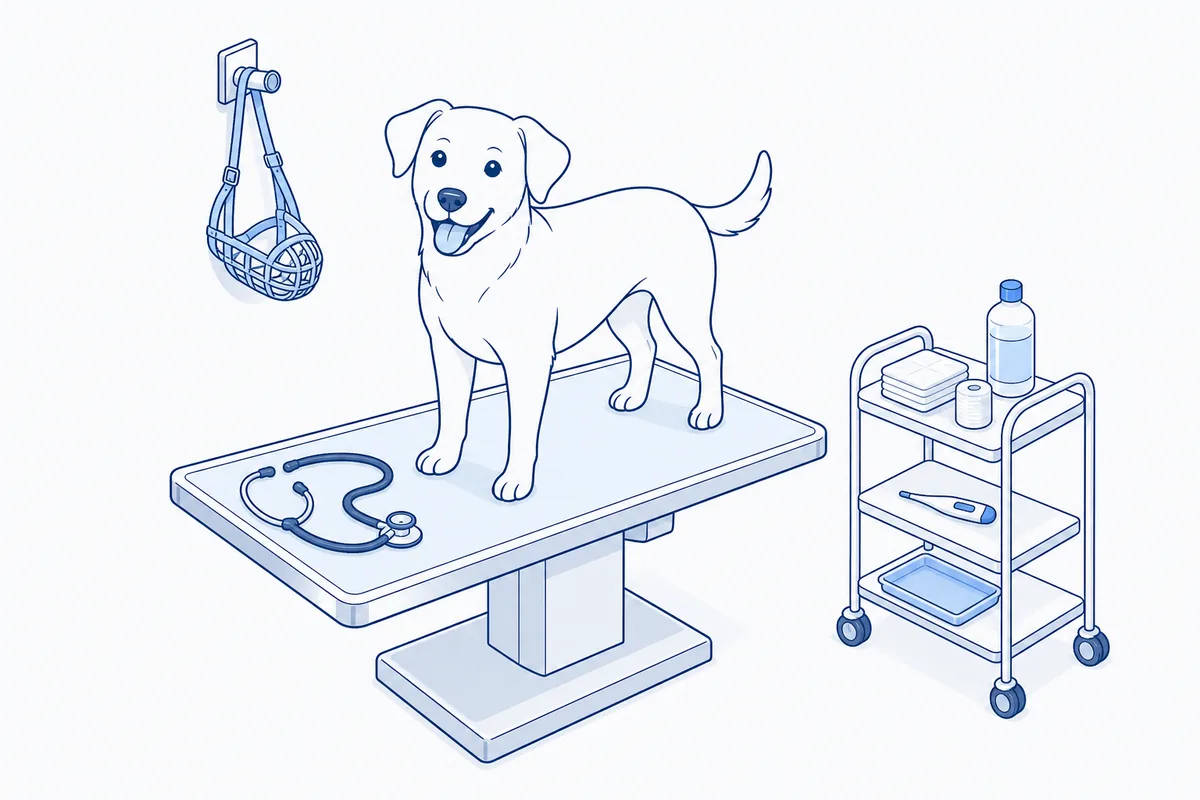
Canine
66 of 360 questions on our practice exam
Emergencies, endocrinology, infectious disease, toxicology, cardiology, orthopedics, neurology, dermatology, ophthalmology, oncology and reproduction in dogs.
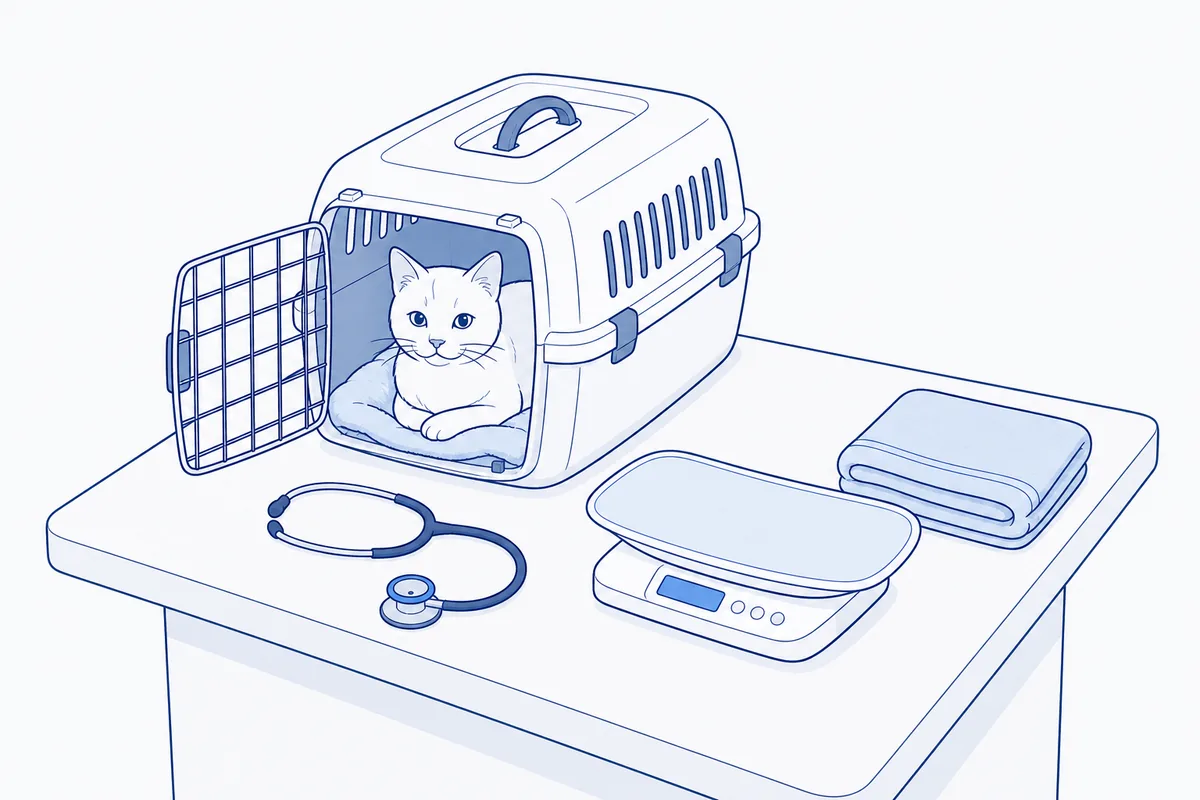
Feline
64 of 360 questions on our practice exam
Hyperthyroidism, kidney disease, urethral obstruction, cardiomyopathy, diabetes, retroviruses and FIP, toxicology, nutrition, dentistry and behavior in cats.
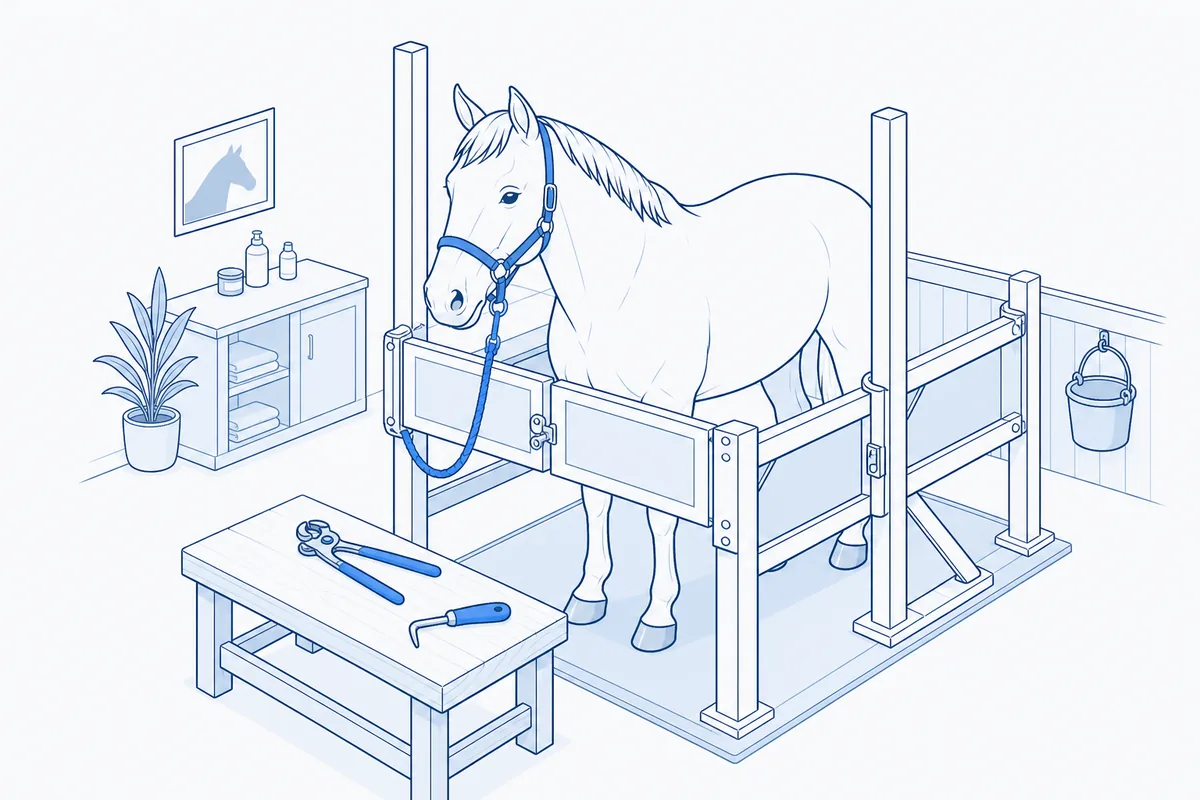
Equine
39 of 360 questions on our practice exam
Colic, strangles and neurologic disease, endocrine disease and laminitis, lameness, the neonatal foal, reproduction, toxicology and respiratory disease in horses.
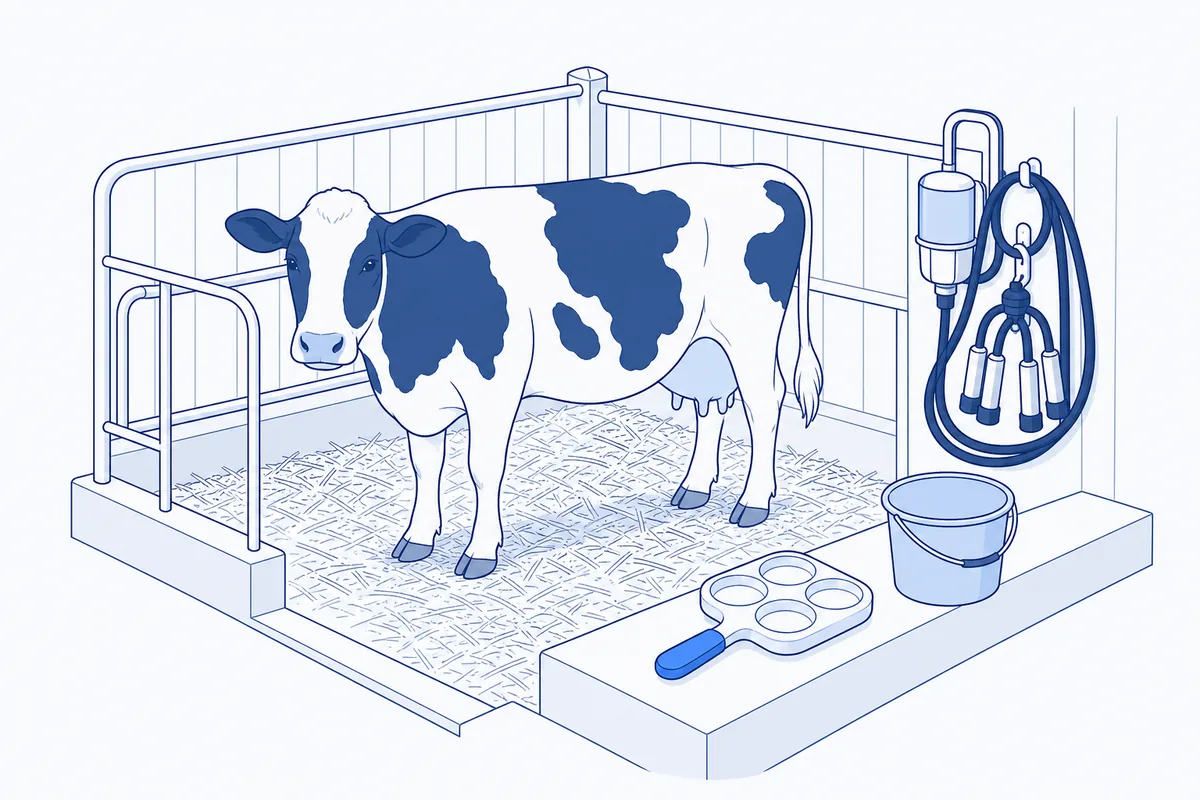
Bovine
32 of 360 questions on our practice exam
Transition cow disease, mastitis, respiratory disease and BVD, calf health, toxicology, reproduction, lameness and herd health in dairy and beef cattle.
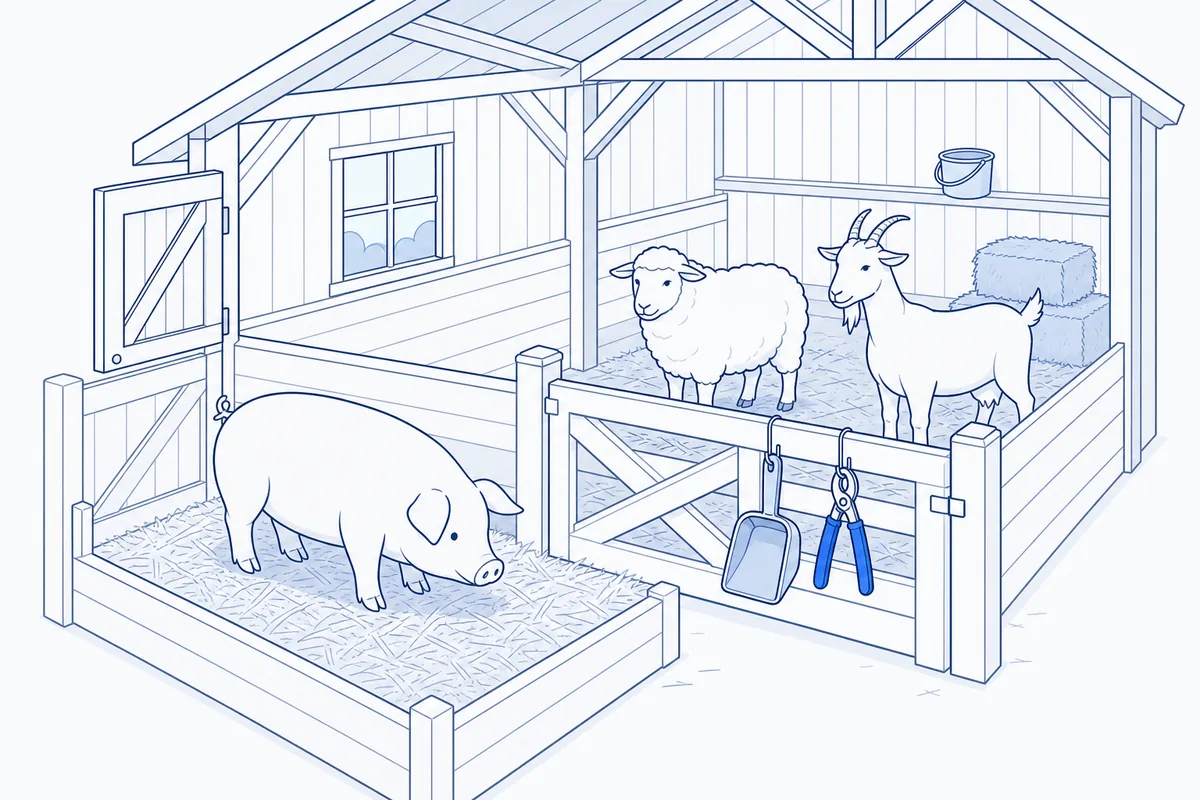
Swine and Small Ruminants
25 of 360 questions on our practice exam
Swine respiratory and enteric disease, reproductive failure and herd problems, small ruminant parasites and metabolic disease, and camelid medicine.
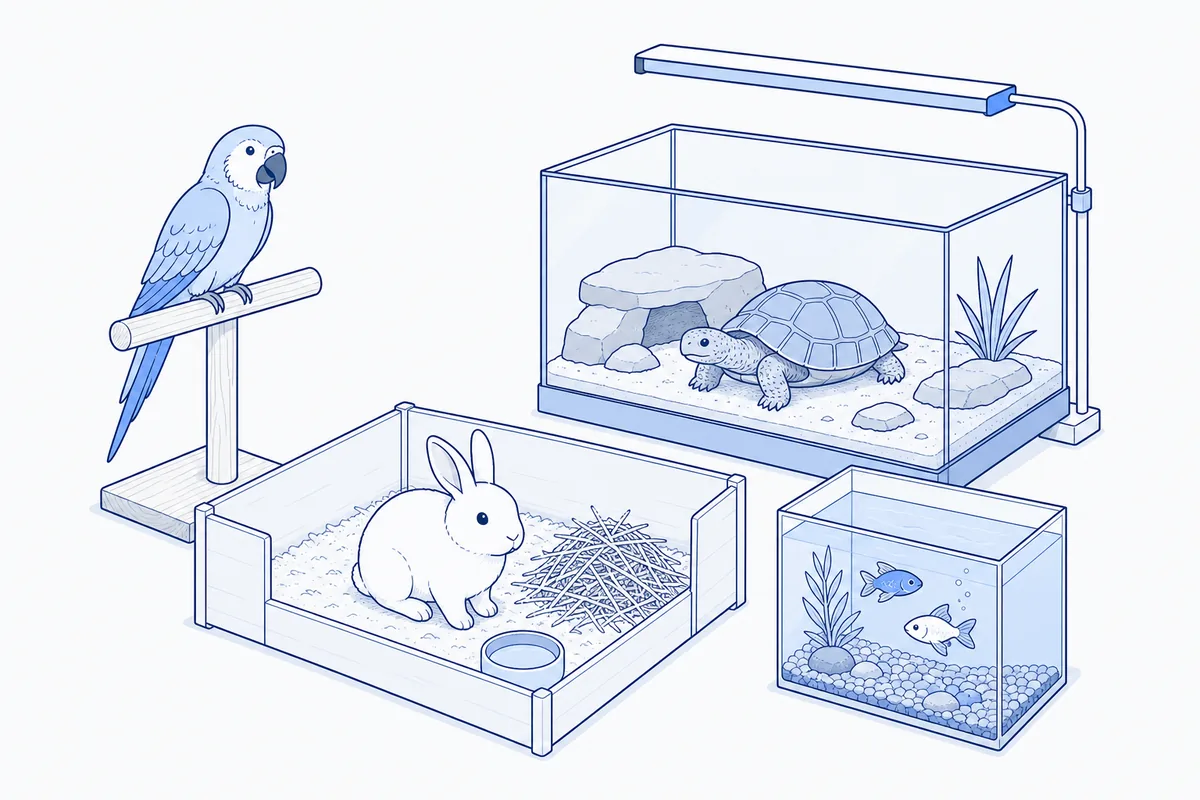
Birds and Exotics
26 of 360 questions on our practice exam
Pet bird nutrition, infection and toxicity, poultry flock disease, rabbits, guinea pigs and ferrets, reptile husbandry disease and aquarium fish.
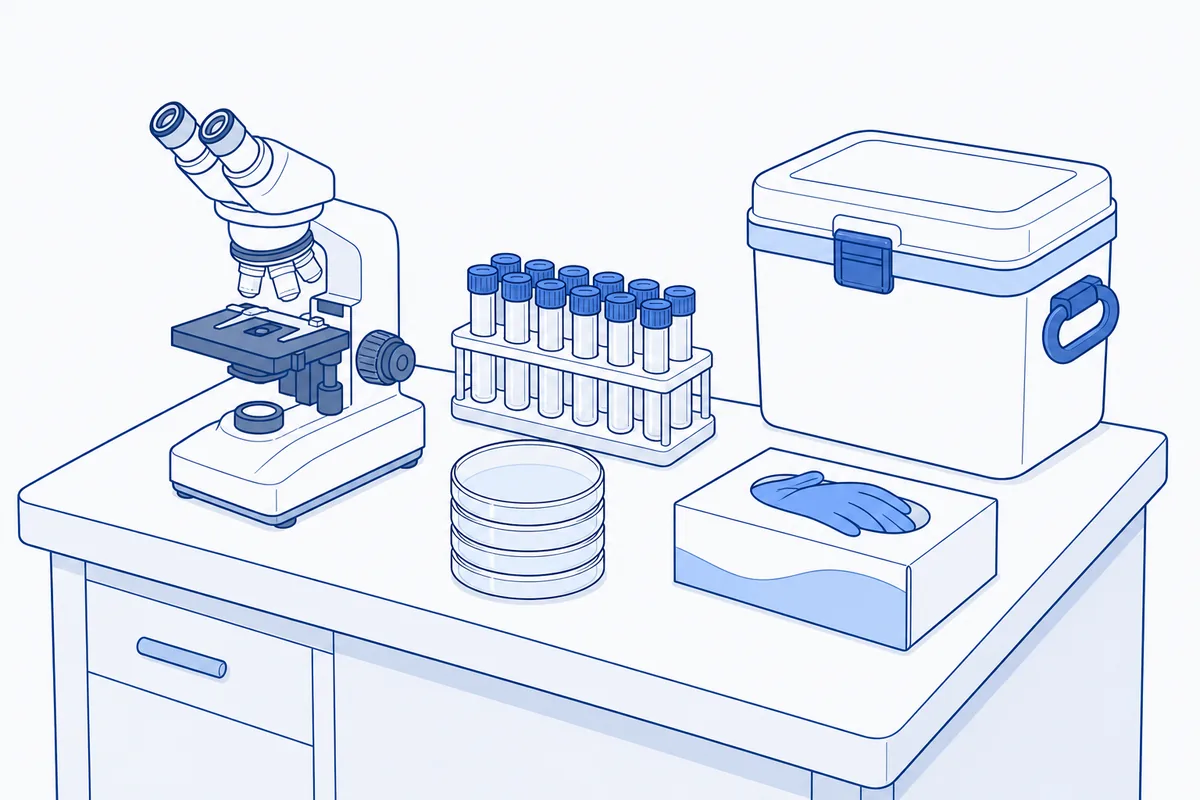
Public Health and Welfare
54 of 360 questions on our practice exam
Zoonoses and rabies, reportable and foreign animal diseases, food safety and drug residues, epidemiology, workplace safety, euthanasia and animal welfare across species.
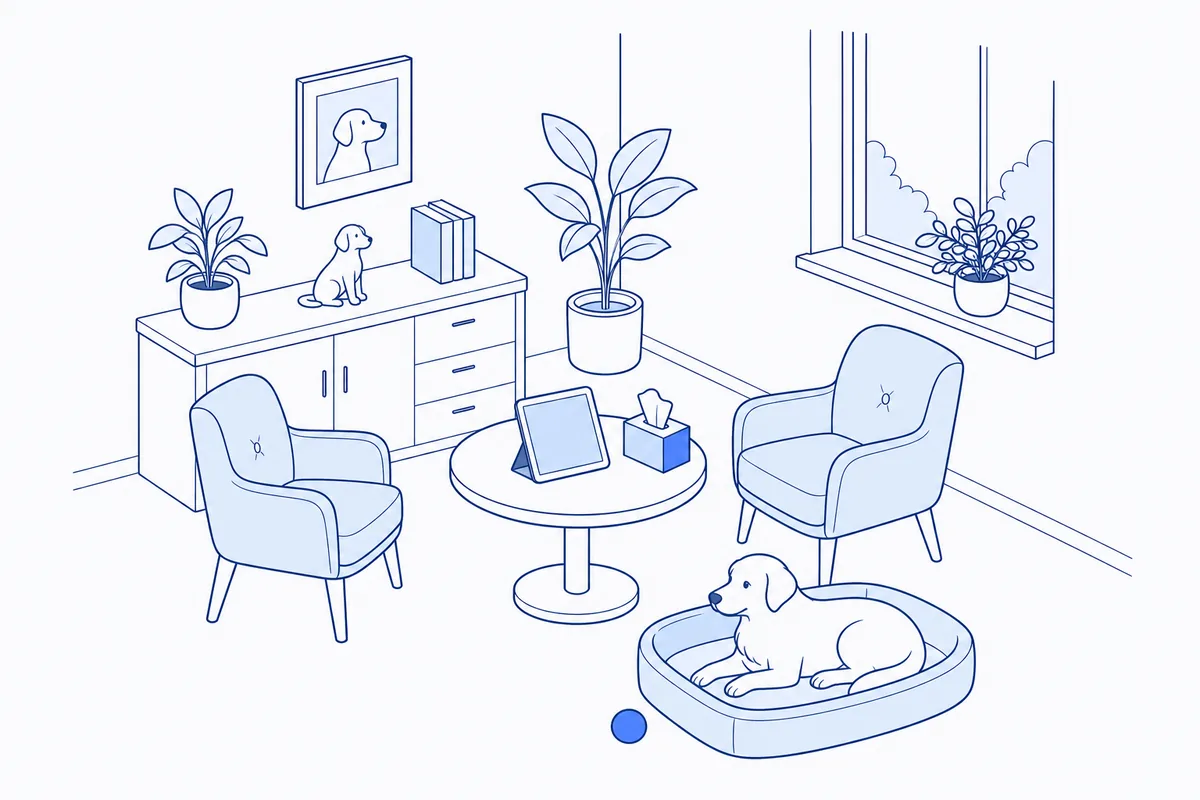
Communication and Professionalism
54 of 360 questions on our practice exam
Client conversations, informed consent and euthanasia, referrals and teamwork, the VCPR, records, controlled drugs, practice management, ethics and wellbeing.
Ready for the full exam?
360 questions in 12 timed blocks of 30, 33 minutes each, weighted by ICVA’s species and competency blueprint, with an explanation for every answer.
Or start with a free drillThe NAVLE at a glance
Answer NAVLE practice questions written to ICVA’s published outlines, read the explanation for every answer, then take a timed 360-question practice exam in 12 blocks of 30, 33 minutes each, with a score for every area.
The International Council for Veterinary Assessment (ICVA) gives the NAVLE to assess the knowledge needed for entry-level private clinical practice across the species seen by North American practitioners. ICVA reports 9,301 NAVLE tests in the 2024-2025 cycle, and an ultimate passing rate of 89% for senior students from AVMA-accredited schools that year.
- Exam
- North American Veterinary Licensing Examination (NAVLE), owned by the International Council for Veterinary Assessment (ICVA) and developed with the NBME. It is required for veterinary licensure in every licensing jurisdiction in the United States and Canada
- Format
- 360 multiple-choice questions, each a clinical scenario with one best answer. About 15-20% include photos or radiographs, with zoom, contrast and pan tools
- Time
- From the October-November 2026 window: 12 blocks of 30 questions, 33 minutes per block, a 10-minute tutorial and 50 minutes of break time between blocks, about 7.5 hours in all. A closed block cannot be reopened
- Content
- Clinical Practice 70%, Preventive Medicine and Animal Welfare 15%, Communication 8%, Professionalism, Practice Management and Wellness 7%. Species: canine 25.6%, feline 24.3%, equine 14.7%, bovine 13.3%, porcine 5%, and smaller shares for other species
- Scoring
- A three-digit scaled score from 200 to 800; 425 is the minimum passing score. ICVA does not publish how many correct answers that takes. There are no rescores, appeals or test reviews
- Fee
- $825 for the 2026-2027 cycle, or $1,220 at a Prometric site outside the US, its territories and Canada. Nonrefundable
- When and where
- Three windows a year at Prometric test centers: October 12-November 14, 2026, March 1-20, 2027 and July 12-August 7, 2027. Scores arrive about 4 to 5 weeks after the window closes
- Attempts
- Five attempts per candidate. Attempts before December 1, 2025 do not count toward the limit
How to register for the NAVLE
- Apply online through ICVA during the application period for your window and pay the $825 fee. Your approval comes through ICVA, your licensing board or, for Canada, the National Examining Board.
- Once approved, use the Scheduling and Admission Permit ICVA emails you to book a date with Prometric inside your testing window.
- Complete ICVA’s free computer-based tutorial before test day, and take a practice exam under the 33-minute block clock.
- Your score report, with pass or fail, a three-digit scaled score and performance by content area, is posted to the NBME portal about 4 to 5 weeks after the window closes and sent to the board you chose.
How to use this NAVLE prep
- Take the free mixed drill to see where you stand across all eight areas.
- Drill canine and feline first: together they are nearly half the exam by ICVA’s species weights.
- Work through equine and bovine, then swine and small ruminants and birds and exotics, even if you plan to work with one species. Every candidate takes the same exam.
- Drill public health and welfare, and communication and professionalism: together they are 30% of ICVA’s competency blueprint.
- Take the full 360-question practice exam block by block, then drill your two lowest areas and take it again. Each new sitting draws questions you have not seen first.
Common questions
How many questions are on the NAVLE?
360 multiple-choice questions. Each presents a clinical scenario and asks for the one best answer, and ICVA notes that some options may be partly correct. About 15-20% of questions include photos or radiographs.
How long is the NAVLE?
About 7.5 hours. From the October-November 2026 window the exam has 12 blocks of 30 questions with 33 minutes per block, a 10-minute tutorial and 50 minutes of break time that you can take only between blocks. Time left over from a block is added to your break time, and a closed block cannot be reopened.
What is a passing score on the NAVLE?
ICVA reports a three-digit scaled score from 200 to 800, and 425 is the minimum passing score. ICVA does not publish how many correct answers that represents, so our practice exam shows your percentage correct overall and in every area, not a pass line.
What does the NAVLE cover?
ICVA’s blueprint weights four competency domains: Clinical Practice 70%, Preventive Medicine and Animal Welfare 15%, Communication 8% and Professionalism, Practice Management and Wellness 7%. It also weights species by how often they are seen in practice: canine 25.6%, feline 24.3%, equine 14.7%, bovine 13.3%, porcine 5%, then small mammals, sheep and goats, pet birds, poultry, camelids, reptiles and fish.
How much does the NAVLE cost?
$825 for the 2026-2027 testing cycle. Testing at a Prometric center outside the US, its territories and Canada adds a $395 international fee, for $1,220 in total. The fee is nonrefundable.
When can I take the NAVLE?
In three testing windows a year: October 12-November 14, 2026 (applications June 1-July 15), March 1-20, 2027 (applications December 1-January 7) and July 12-August 7, 2027 (applications April 1-May 7). Scores are released about 4 to 5 weeks after a window closes.
How many times can I take the NAVLE?
Five times. Under ICVA’s policy effective December 1, 2025, every candidate has five attempts starting with the March 2026 window, and attempts made before December 1, 2025 do not count. ICVA ended its waiver process at the same time.
What is the NAVLE pass rate?
ICVA reports an ultimate passing rate of 89% for senior students from AVMA-accredited schools in 2024-2025 (88% in 2023-2024 and 92% in 2020-2021). It does not publish one overall first-time pass rate. 9,301 NAVLE tests were given in the 2024-2025 cycle.
Does ICVA sell NAVLE practice exams?
Yes. ICVA’s NAVLE Self-Assessments each have 200 retired NAVLE questions in four sections of 50 and cost $50, or $65 for a form with expanded feedback. ICVA also offers a free computer-based tutorial with 20 sample questions. The questions on this site are original practice; they are not NAVLE questions.
Is this NAVLE practice exam in the real format?
It follows the format in force from October 2026: 360 questions in 12 timed blocks of 30, 33 minutes per block, with ICVA’s species and competency weights. Inside a block you can skip, go back and mark questions; a closed block stays closed. Our questions are text only, so findings that the real exam shows in images are described in words.
Ready for test day?
360 questions in 12 timed blocks of 30, 33 minutes each, weighted by ICVA’s species and competency blueprint, with an explanation for every answer.
Or start with a free drillSources
- ICVA: NAVLE Candidate Handbook, 2026-2027 testing cycle (PDF)
- ICVA: NAVLE structure update begins with the October-November 2026 testing window
- ICVA: NAVLE 101, how the exam is created, administered and scored
- ICVA: NAVLE retake policy changes effective December 1, 2025
- ICVA: NAVLE Competency Domains outline (PDF)
- ICVA: NAVLE Species and Diagnoses outline (PDF)
- ICVA: 2026 Report to Veterinary Academia (PDF)
- ICVA: NAVLE Self-Assessments and practice tutorial
Original practice questions written to ICVA’s published NAVLE competency and species outlines; they are not NAVLE questions. Independent practice, not affiliated with or endorsed by the International Council for Veterinary Assessment (ICVA) or the National Board of Medical Examiners (NBME). NAVLE is a registered mark of ICVA. Check your licensing board for its requirements.