EPPP Biological Bases Practice Questions
Domain 1 of ASPPB’s EPPP Part 1 · 10% of the exam, about 18 of the 175 scored questions
225 questions across all eight domains in 4 hours 15 minutes, with a score for Biological Bases so you know where you stand.
Free Biological Bases drillClozapine is reserved mainly for treatment-resistant schizophrenia and requires regular blood tests because it can cause:
Biological Bases of Behavior on the EPPP
Biological bases of behavior is Domain 1 of ASPPB’s EPPP (Part 1-Knowledge) specifications and 10% of the exam, about 18 of the 175 scored questions. The questions connect brain structures, chemistry and genes to perception, cognition, mood and disease, and ask what medications do and what they risk.
- Share of the exam
- 10% in ASPPB’s Part 1 specifications (KN1–KN5), about 18 of the 175 scored questions
- Our drill
- 10 questions from 69 Biological Bases questions, untimed, an explanation after every answer; one free attempt, unlimited with a pass
What biological bases questions test
- Brain-behavior relations: lobes, subcortical structures and the effects of lesions, strokes, injuries and neurodegenerative disease (KN1)
- Psychopharmacology: drug classes, mechanisms of action, side effects, withdrawal and interactions, for therapeutic drugs and drugs of abuse (KN2)
- Combined and comparative treatment: what major trials show about medication, psychotherapy and both together (KN3)
- Behavioral genetics: heritability, twin and adoption studies, inheritance patterns and chromosomal disorders (KN4)
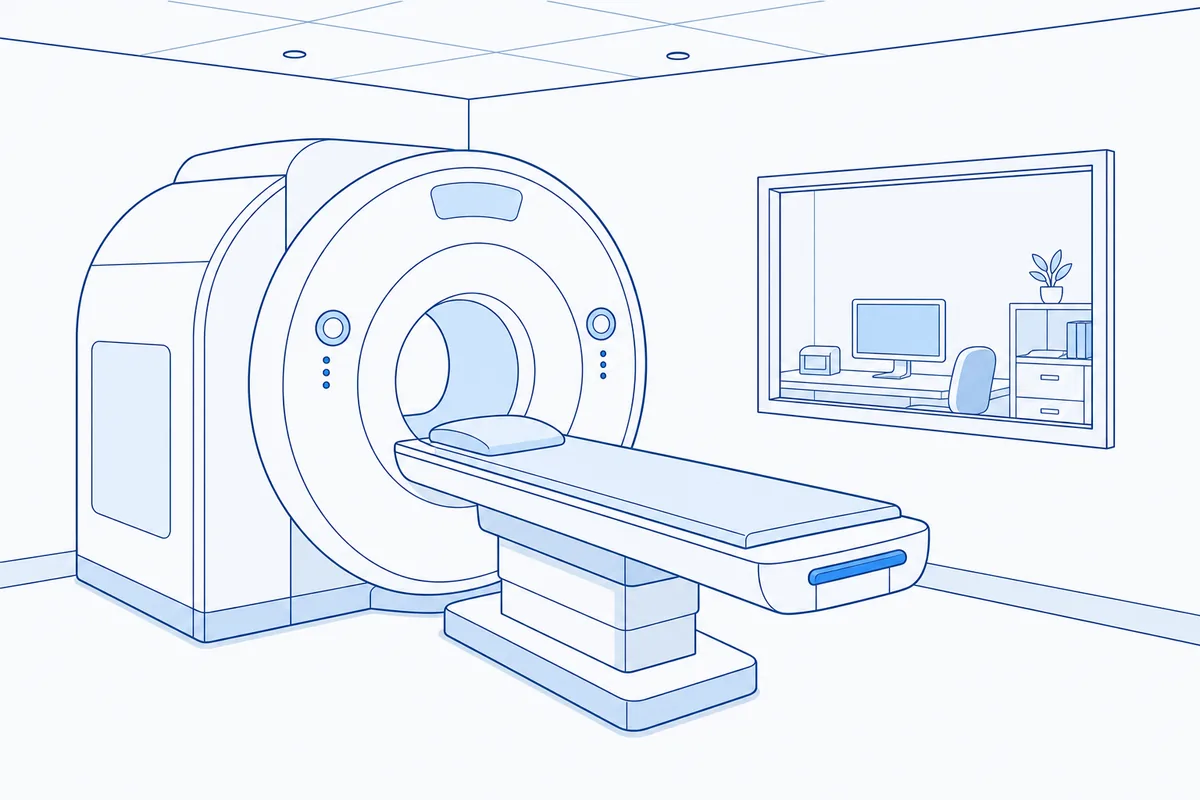
- Imaging and biological measures: CT, MRI, fMRI, PET, EEG, therapeutic drug monitoring and genetic testing, and what each can show (KN5)
Sit the full exam under the real clock
225 questions across all eight domains in 4 hours 15 minutes, with a score for Biological Bases so you know where you stand.
Free Biological Bases drillHow to study it
- Learn the major neurotransmitters with one disorder and one drug class each, then add the side effects that questions turn on (EPS, serotonin syndrome, lithium toxicity, agranulocytosis).
- Map functions to lobes and structures, and practice predicting the deficit from the site of a lesion.
- Keep structural and functional imaging apart: CT and MRI show anatomy, fMRI and PET show activity.
- Take the biological bases drill until you score 80% or better.
Common questions
How many biological bases questions are on the EPPP?
Biological bases of behavior is 10% of EPPP Part 1 in ASPPB’s specifications, about 17 or 18 of the 175 scored questions.
How much psychopharmacology is on the EPPP?
ASPPB does not publish a count for any knowledge statement. Psychopharmacology is one of the five knowledge statements in Domain 1 (KN2, with treatment trials in KN3), so expect it on every form.
225 questions across all eight domains in 4 hours 15 minutes, with a score for Biological Bases so you know where you stand.
Free Biological Bases drillThe other EPPP domains
- Cognitive-Affective Bases of Behavior
- Social and Cultural Bases of Behavior
- Growth and Lifespan Development
- Assessment and Diagnosis
- Treatment, Intervention, Prevention and Supervision
- Research Methods and Statistics
- Ethical, Legal and Professional Issues
- EPPP practice exam (225 questions, 4 hours 15 minutes)
- Mixed drill: all eight domains
- EPPP practice test: exam facts and every domain
Sources
- ASPPB: EPPP Candidate Handbook, January 2026 (PDF)
- ASPPB: Current EPPP content areas, domains and weights
- ASPPB: Examination for Professional Practice in Psychology (EPPP)
- ASPPB: EPPP exam types (Part 1 and Part 2)
- ASPPB: EPPP registration fees
- ASPPB: EPPP sample exams
- ASPPB: Future EPPP content areas (integrated EPPP, fall 2027)
- ASPPB: Updates on the EPPP for 2028
- ASPPB: 2025 Psychology Licensing Exam Scores by Doctoral Program (PDF)
- APA: Ethical Principles of Psychologists and Code of Conduct
Original practice questions for exam preparation, written to ASPPB’s EPPP (Part 1-Knowledge) content areas; they are not ASPPB questions. Independent practice, not affiliated with or endorsed by the Association of State and Provincial Psychology Boards (ASPPB) or the American Psychological Association. EPPP is a registered mark of ASPPB.