NPTE-PTA Cardiopulmonary Practice Questions
One area of FSBPT’s content outline · 20–27 of the 140 scored questions
180 questions across the whole content outline in 4 hours, with a score for Cardiopulmonary so you know where you stand.
Free Cardiopulmonary drillHow does an oscillating positive expiratory pressure device (such as a flutter valve) help with airway clearance?
Cardiovascular and Pulmonary Systems on the NPTE-PTA
The cardiovascular and pulmonary systems carry 20–27 of the 140 scored questions on the NPTE-PTA, the third-largest body system. Questions ask how to collect data such as heart rate, blood pressure and breath sounds, how heart and lung conditions and their medications change what you do, and how to deliver and progress interventions safely within the plan of care.
- Share of the exam
- Cardiovascular & Pulmonary Systems 20–27 of the 140 scored questions (FSBPT outline, effective January 2024)
- On our mock exam
- 23 scored questions, inside FSBPT’s range
- Our drill
- 10 questions from 72 cardiopulmonary questions, untimed, an explanation after every answer; one free attempt, unlimited with a pass
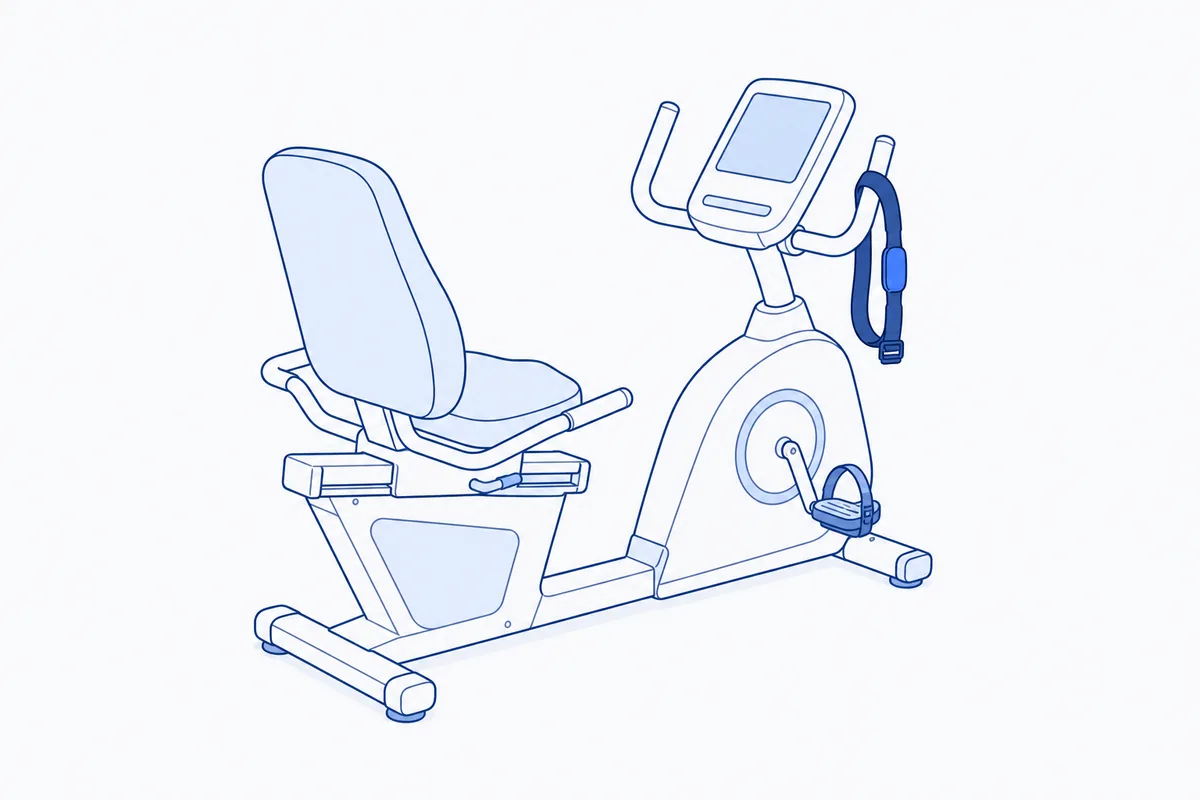
What Cardiovascular and Pulmonary Systems questions test
- Data collection: heart rate, blood pressure, respiratory rate, oxygen saturation, perceived exertion and dyspnea scales, the six-minute walk test, breathing patterns and chest wall excursion
- Conditions: coronary artery disease, myocardial infarction, heart failure, hypertension, COPD, asthma, cystic fibrosis, pneumonia, pulmonary embolism and peripheral arterial disease
- Medical management and medicines: beta blockers, anticoagulants, nitroglycerin, bronchodilators, lab values and post-surgical precautions such as sternal precautions
- Interventions: aerobic exercise prescription, cardiac rehab phases, breathing exercises, airway clearance and postural drainage, and progression within the PT’s plan
- Recognizing abnormal responses: when to stop exercise, when to hold treatment and when to contact the PT or call for emergency help
Sit the full exam under the real clock
180 questions across the whole content outline in 4 hours, with a score for Cardiopulmonary so you know where you stand.
Free Cardiopulmonary drillHow to study it
- Memorize normal adult vital signs and the abnormal responses that mean stop: a drop in systolic pressure with more work, chest pain, new dyspnea, dizziness or saturation falling below the target.
- Learn which medicines blunt heart rate response (beta blockers) so you use perceived exertion instead of a heart rate target.
- Know the breathing techniques by their instructions: pursed-lip breathing, diaphragmatic breathing, huff coughing and segmental expansion.
- Take the cardiopulmonary drill and the vital signs and lab values drill until you score 80% or better.
Common questions
How many cardiopulmonary questions are on the NPTE-PTA?
FSBPT’s content outline assigns 20–27 of the 140 scored questions to the cardiovascular and pulmonary systems: 5–8 on data collection, 7–9 on diseases and conditions, and 8–10 on interventions.
Do I need to know lab values for the PTA exam?
Yes. The outline lists laboratory test values under nonpharmacological medical management for the body systems. Our vital signs and lab values drill covers the values that most often change a treatment session.
180 questions across the whole content outline in 4 hours, with a score for Cardiopulmonary so you know where you stand.
Free Cardiopulmonary drillThe other NPTE-PTA content areas
- Musculoskeletal System
- Neuromuscular and Nervous Systems
- Integumentary System
- Other Systems and System Interactions
- Equipment, Devices and Technologies
- Therapeutic Modalities
- Safety and Protection
- Professional Responsibilities and Research
- Vital signs and lab values drill
- NPTE-PTA practice exam (180 questions, 4 hours)
Sources
- FSBPT: NPTE Candidate Handbook (version 2025.02): format, timing, scoring, fees, testing limits, results
- FSBPT: NPTE-PTA Test Content Outline, effective January 2024
- FSBPT: NPTE Content (outlines in effect since January 2024)
- FSBPT: 2026 NPTE dates and deadlines
- FSBPT: Retake Exam
- FSBPT: Practice Exam and Assessment Tool (PEAT)
Original practice questions for exam preparation, written to the NPTE-PTA Test Content Outline (effective January 2024). They are not NPTE questions or recalled questions. Independent practice, not affiliated with or endorsed by the Federation of State Boards of Physical Therapy (FSBPT) or Prometric. NPTE is a registered trademark of FSBPT.