Free ARE PDD Practice Exam (Project Development & Documentation)
Detailing, documentation, specification and code questions with case studies, every answer explained.
Under the IBC, what are the riser and tread limits for a typical commercial stair?
127 original PDD questions · 7 case studies · 54% of attempts passed in 2025
PDD practice questions by section
NCARB divides Project Development & Documentation into 5 sections and sets each one’s share of the exam. Every section has a free ten-question drill with an explanation after each answer, and the case study drill gives you three scenarios with ten questions.
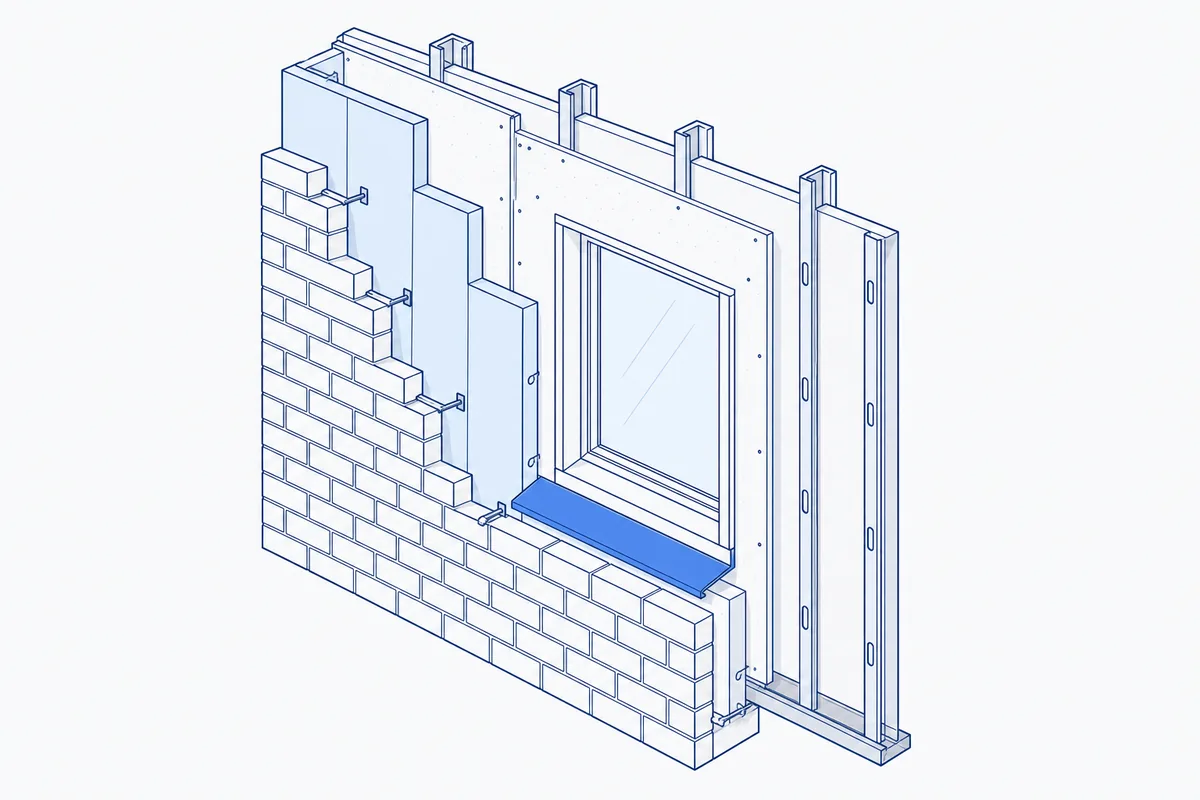
Integration of Building Materials & Systems (31–37%)
About 34 of 100 questions · 6 objectives
Sizing MEP and structural components, specialty systems and detailing how systems come together
Construction Documentation (32–38%)
About 35 of 100 questions · 5 objectives
Documenting the building, site and details, drawing standards, and revisions

Project Manual & Specifications (12–18%)
About 15 of 100 questions · 3 objectives
The project manual, specification types and formats, and coordinating specifications with drawings
Codes & Regulations (8–14%)
About 11 of 100 questions · 2 objectives
Building code and accessibility requirements at the detail level
Construction Cost Estimates (2–8%)
About 5 of 100 questions · 1 objectives
Reviewing construction cost estimates against the design
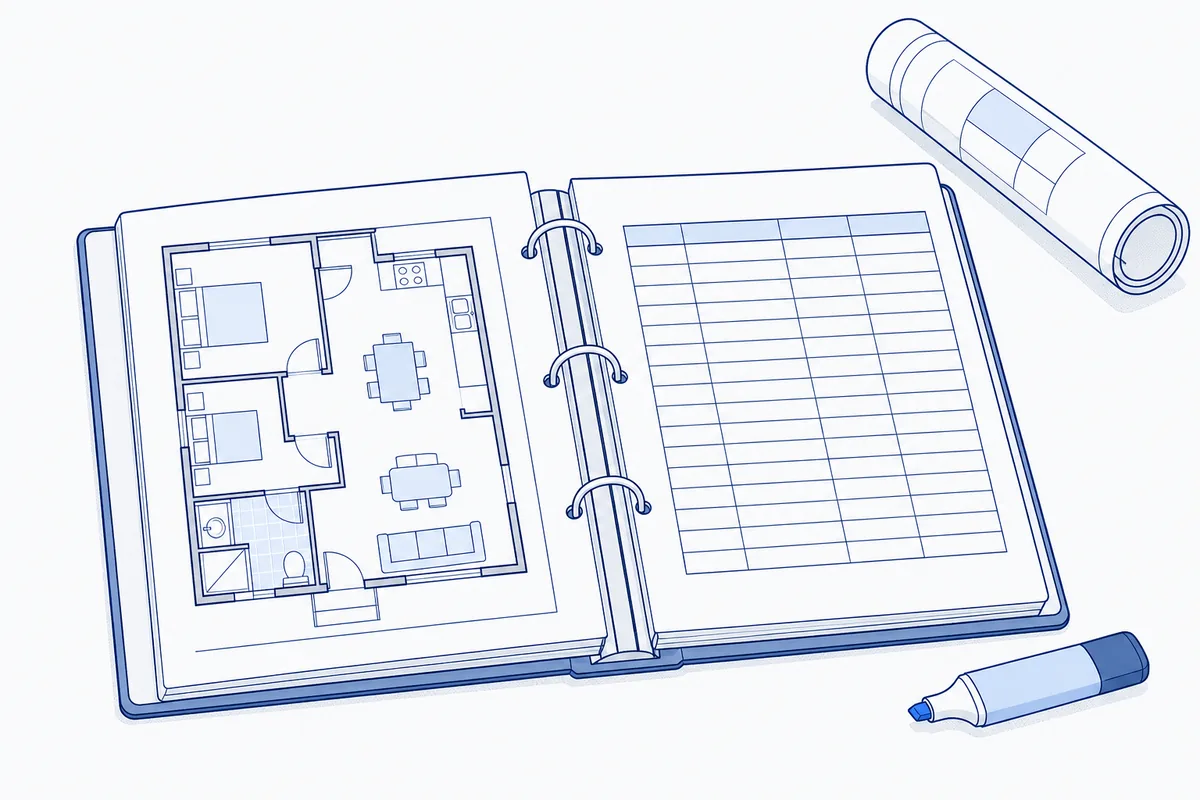
Case studies
20 questions in our practice exam
A project scenario with one or two resources such as contracts, budgets, schedules, code or zoning excerpts and drawings, followed by three or four questions.
7 free drills in PDD; each drill’s first attempt is free.
Ready for the full exam?
100 questions on the real 4 hr 5 min clock, standalone questions then case studies, with check-all-that-apply items, a score by section and an explanation for every answer.
Or start with a free 10-question drillThe PDD exam at a glance
Project Development & Documentation covers turning a design into construction documents: sizing and detailing systems, coordinating consultants, drawing standards, the project manual and specifications, code compliance at the detail level and cost estimates. Facts below are from NCARB’s ARE 5.0 Guidelines effective October 1, 2026, and its website.
- Questions
- 100 items: 91 scored and 9 unscored pretest items you cannot identify
- Time
- 4 hr 5 min of testing time and 45 minutes of optional break time, in a 5 hr appointment
- Case studies
- Up to 9 case studies with up to 20 questions, after the standalone questions
- Question types
- Multiple choice, check-all-that-apply and hotspot; one point each, no partial credit
- Passing score
- NCARB: 58–66% of scored items correct, depending on the form
- Fee and retakes
- US$263 per attempt; retake after 60 days, at most three attempts in 12 months
- Pass rate
- 2023: 55% · 2024: 55% · 2025: 54%
- Sections
- Integration of Building Materials & Systems 31–37%; Construction Documentation 32–38%; Project Manual & Specifications 12–18%; Codes & Regulations 8–14%; Construction Cost Estimates 2–8%
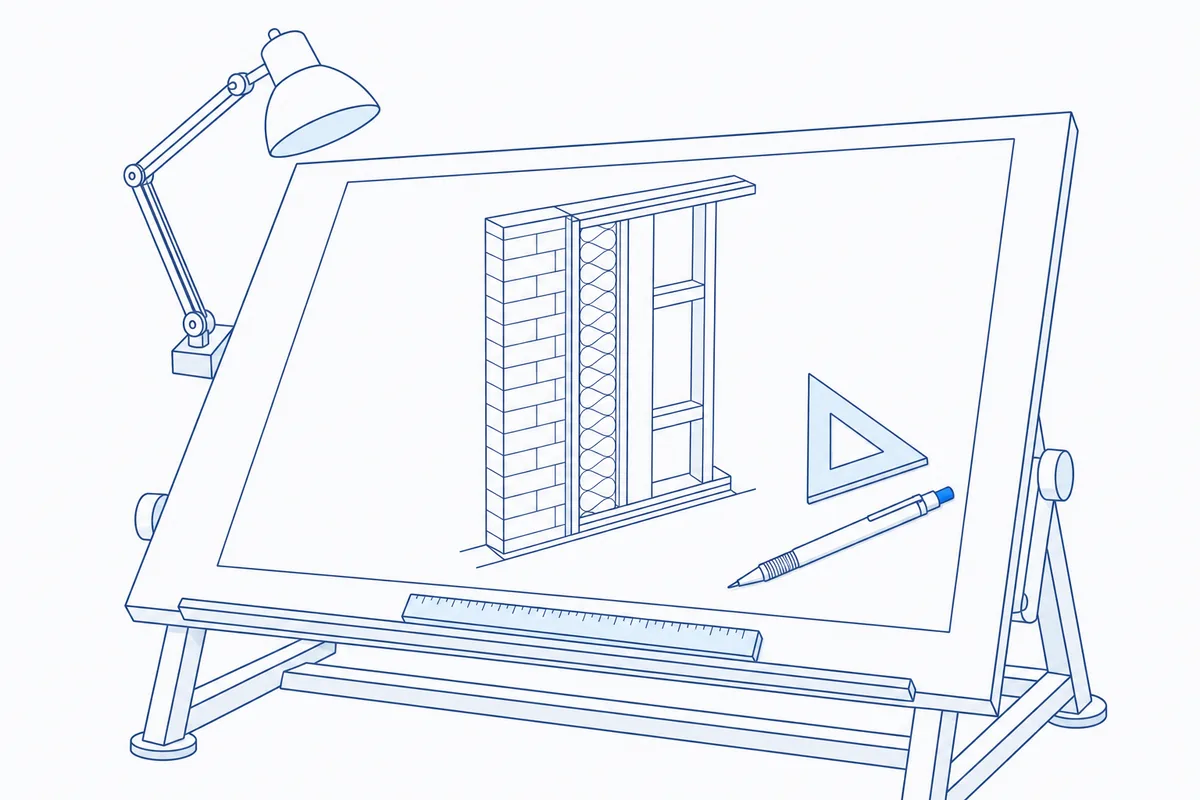
What PDD tests
- Construction Documentation (32–38%) and Integration of Building Materials & Systems (31–37%) make up about two-thirds of the division: where information belongs in the drawings, how details keep water, air and heat in check, and how to size beams, ducts and plumbing in a straightforward way.
- Project Manual & Specifications (12–18%) covers the parts of the project manual, MasterFormat divisions, SectionFormat parts, and descriptive, performance, reference-standard and proprietary specifications.
- Codes & Regulations (8–14%) checks details against the building code and the 2010 ADA Standards: stair and ramp dimensions, guards, handrails, rated assemblies and accessible clearances.
- Construction Cost Estimates (2–8%) asks whether an estimate matches the documented design.
Our practice exam draws questions per section inside NCARB’s expected counts and ends with 6 case studies. It does not include hotspot items, and it scores every question, including the share that would be unscored pretest items on the real exam.
Common questions
How many questions are on the PDD exam?
Project Development & Documentation has 100 items: 91 scored and 9 unscored pretest items. You get 4 hours 5 minutes of testing time and 45 minutes of optional break time, in a 5-hour appointment. The division includes up to 9 case studies with up to 20 case study items.
What score do you need to pass PDD?
NCARB says you need to answer between 58 and 66 percent of the scored items correctly to pass Project Development & Documentation. The exact cut score depends on the form you get, because forms differ slightly in difficulty. Every item is worth one point, with no partial credit and no penalty for a wrong answer. Pass or fail depends on your total across the division, not on any one section.
Can I retake PDD if I fail?
You can retake a failed division 60 days after your previous attempt of that division, and take the same division no more than three times in any 12 months. Each attempt costs US$263. A failing score report shows your relative strengths and weaknesses by section on page two.
Are these real ARE questions?
No. NCARB keeps its exam content confidential, and candidates agree not to share it. Every question and case study here is original, written to the objectives NCARB publishes in the ARE 5.0 Guidelines, with an explanation and a reference for each answer.
Ready for exam day?
100 questions on the real 4 hr 5 min clock, standalone questions then case studies, with check-all-that-apply items, a score by section and an explanation for every answer.
Or start with a free 10-question drillThe other ARE divisions
One ARE pass covers every division’s practice exam and drills.
Format, scoring, fees and pass rates checked November 2026: NCARB: ARE 5.0 Guidelines (effective October 1, 2026) · NCARB: ARE 5.0 question types · NCARB: What score do you need to pass the ARE? (updated June 2025) · NCARB: ARE 5.0 pass rates · NCARB: fees.
ARE® and Architect Registration Examination® are registered marks of the National Council of Architectural Registration Boards (NCARB). Game Assessment Prep is an independent practice site, not affiliated with or endorsed by NCARB. Every question and case study is original, written to the published ARE 5.0 objectives; none is an ARE question, a recalled question or taken from NCARB’s practice exams.