MBLEx Anatomy & Physiology Practice Questions
Content area 1 of the MBLEx · about 11 of the 100 questions (11%)
100 questions across all seven content areas in 110 minutes, with a score for anatomy & physiology so you know where you stand.
Free anatomy & physiology drillIn traditional Chinese medicine, how many principal (regular) meridians are described, each linked with an organ system?
Anatomy & Physiology on the MBLEx
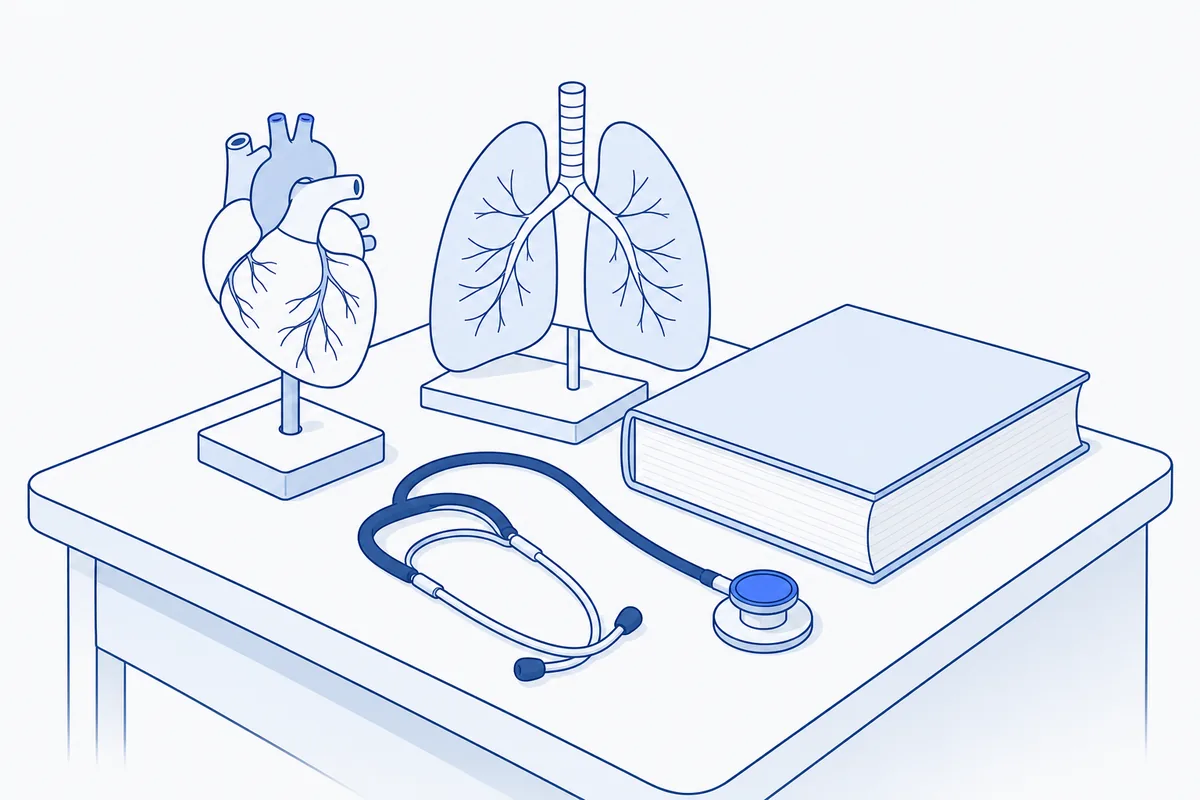
Anatomy & Physiology is about 11 of the 100 questions. It covers the whole body, not just muscle: the structure and function of the cardiovascular, digestive, endocrine, integumentary, lymphatic and immune, musculoskeletal, nervous, reproductive, respiratory, sensory and urinary systems, how tissue is injured and repairs, and the energetic anatomy that Eastern bodywork traditions use.
- Share of the exam
- 11% of the content outline, about 11 of the 100 questions
- Outline subtopics
- 4 (parts A, B, C, D)
- Our drill
- 10 questions from 75 anatomy & physiology questions, untimed, an explanation after every answer; one free attempt, unlimited with a pass
What anatomy & physiology questions test
- System structure: the organs and parts of each of the eleven systems, such as the chambers and valves of the heart, the layers of the skin and the divisions of the nervous system (1A)
- System function: what each system does and how, such as blood flow through the heart, lymph circulation, hormone actions and the sympathetic and parasympathetic responses (1B)
- Tissue injury and repair: inflammation and its signs, the phases of healing, and how scar tissue forms and remodels (1C)
- Concepts of energetic anatomy: meridians in traditional Chinese medicine, chakras and doshas in Ayurveda, and how these traditions describe energy (1D)
Sit the full exam under the real clock
100 questions across all seven content areas in 110 minutes, with a score for anatomy & physiology so you know where you stand.
Free anatomy & physiology drillHow to study it
- Study system by system, and for each one learn three things: its parts, what it does, and how massage interacts with it.
- Learn the directional and regional terms first (anterior, distal, superficial, prone). Questions in every content area use them.
- Know the inflammation and healing timeline well. It connects anatomy to the contraindication questions in the pathology area.
- For energetic anatomy, learn what each tradition holds (the twelve primary meridians, the seven chakras), not whether it is proven.
Common questions
How much anatomy is on the MBLEx?
Anatomy & Physiology is 11% of the content outline, about 11 of the 100 questions. Kinesiology, which covers muscles, joints and movement, is a separate 12%, so the two together are nearly a quarter of the exam.
Does the MBLEx test energy work?
Yes. Concepts of energetic anatomy is part D of the Anatomy & Physiology area, and the Benefits and Effects area includes an overview of massage and bodywork modalities. Expect questions on meridians, chakras and the principles behind modalities such as Shiatsu, Reiki and reflexology.
100 questions across all seven content areas in 110 minutes, with a score for anatomy & physiology so you know where you stand.
Free anatomy & physiology drillThe other MBLEx content areas
Sources
Original practice questions for exam preparation, written to the FSMTB MBLEx content outline. Independent practice, not affiliated with or endorsed by the Federation of State Massage Therapy Boards (FSMTB). MBLEx is a registered trademark of FSMTB.