AEMT practice test · 25–29% of the exam
AEMT Medical, Obstetrics and Gynecology
Medical/Obstetrics/Gynecology is 25–29% of the AEMT exam, the second-largest domain. The test plan samples assessment, pathophysiology and management across the medical complaints an AEMT manages: altered mental status, stroke and seizure, diabetic emergencies, overdose and poisoning, anaphylaxis, sepsis, abdominal pain, dialysis patients, behavioral emergencies and obstetrics.
135 questions in 3 hours, weighted to the six official domains, with a score report by domain and topic and an explanation for every answer.
Or start with a free domain drillA 27-year-old woman has just delivered her baby on the bedroom floor. The cord has been clamped and cut, and the placenta has not yet delivered. Which stage of labor is she in?
What the Medical, Obstetrics and Gynecology domain tests
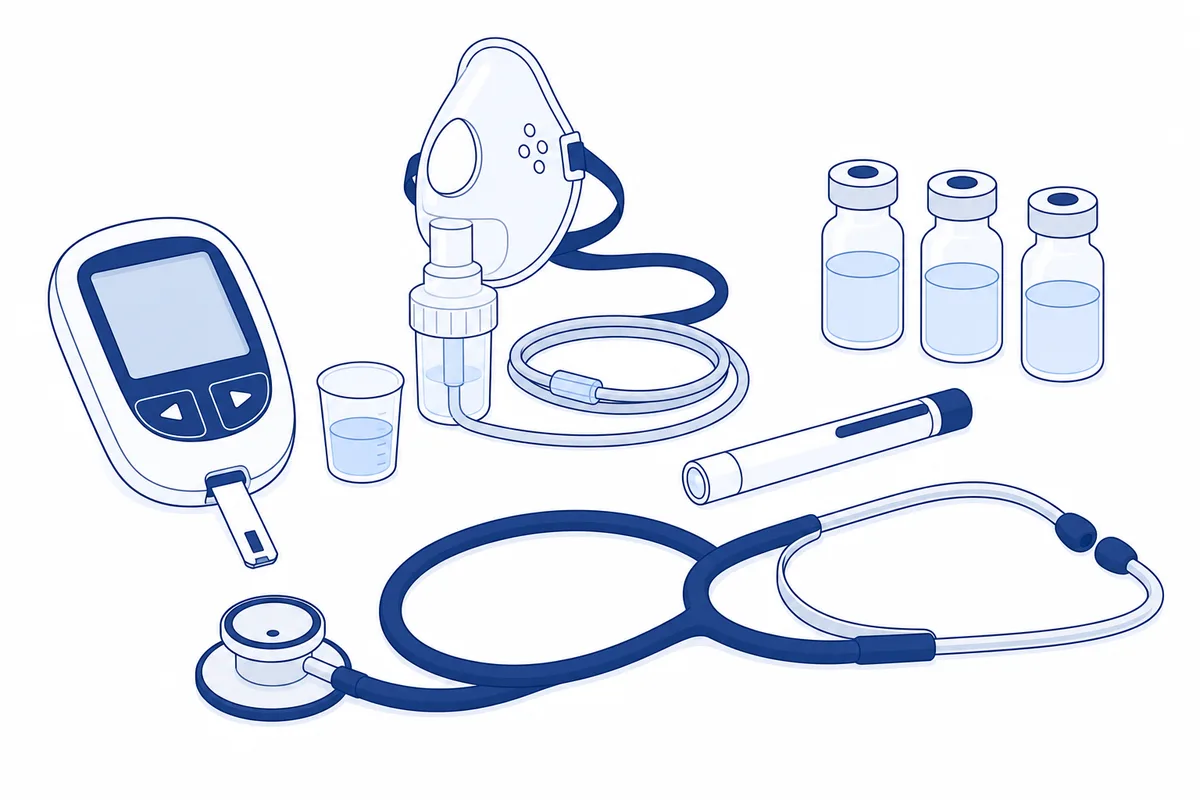
The AEMT formulary shapes the management answers: IV dextrose and glucagon, naloxone, IM epinephrine, nebulized bronchodilators, aspirin and nitroglycerin, plus IV fluids. Pediatric and geriatric presentations are mixed into every topic.
- Neurologic: stroke recognition with a glucose check and a stroke scale, seizures, syncope, altered mental status.
- Diabetic emergencies: hypoglycemia treated with oral glucose, IV dextrose or IM glucagon; recognizing DKA and hyperglycemia.
- Toxicology: opioid overdose and naloxone titrated to breathing, carbon monoxide, organophosphates, recognizing tricyclic and stimulant toxicity.
- Allergy and anaphylaxis: IM epinephrine first, airway and fluids, when to repeat.
- Infectious disease and sepsis recognition; GI bleeding and abdominal pain; dialysis patients.
- Behavioral emergencies: suicide risk, severe agitation, restraint safety, medical causes of behavioral change.
- Obstetrics and gynecology: labor and delivery, breech and prolapsed cord, shoulder dystocia, postpartum hemorrhage, preeclampsia recognition, placenta previa versus abruption, ectopic pregnancy, newborn care.
In our 135-question practice exam this domain gets 36 questions, the middle of its official 25–29% range.
Know these cold
- Check the glucose in every altered patient; hypoglycemia mimics stroke and intoxication.
- Hypoglycemia with IV access: dextrose 10% (10–25 g) or dextrose 50% (25 g); without access: glucagon 1 mg IM; a patient who can swallow and protect the airway can take oral glucose.
- Anaphylaxis: epinephrine 0.3 mg IM of the 1 mg/mL concentration for an adult, 0.01 mg/kg IM up to 0.3 mg for a child, repeated in 5–15 minutes if needed.
- Naloxone is titrated to adequate breathing, not full alertness; ventilate first when breathing is inadequate.
- Prolapsed cord: knee-chest position and lift the presenting part off the cord. Shoulder dystocia: McRoberts maneuver and suprapubic pressure. Postpartum hemorrhage: fundal massage and rapid transport.
- Placenta previa is painless bright-red bleeding; abruption is painful with a rigid uterus; a pregnant patient after 20 weeks lies with the left side down.
- Newborn: dry, warm, position and stimulate; ventilate at 40–60 per minute for apnea or a heart rate under 100; compressions at 3:1 if the rate stays under 60 after 30 seconds of effective ventilation.
Common questions
Which medications can an AEMT give for a medical emergency?
Under the 2019 National EMS Scope of Practice Model: oral glucose, IV dextrose, glucagon, naloxone, IM epinephrine, agency-supplied sublingual nitroglycerin, aspirin, nebulized beta-agonists and anticholinergics, patient-administered nitrous oxide and over-the-counter oral analgesics, plus IV fluids. Some states add analgesics or antiemetics by protocol; the exam does not test those.
Does the AEMT exam include newborn resuscitation?
Yes, as part of obstetrics. We test only the facts that are the same in the 2020 and 2025 AHA guidelines: drying, warming and stimulating, ventilating at 40–60 per minute for apnea or a heart rate under 100, and starting 3:1 compressions when the rate stays under 60 after 30 seconds of effective ventilation.
Ready for exam day?
135 questions in 3 hours, weighted to the six official domains, with a score report by domain and topic and an explanation for every answer.
Or start with a free domain drillThe other AEMT domains
- Airway, Respiration and Ventilation 9–13%
- Cardiology and Resuscitation 11–15%
- Trauma 7–11%
- EMS Operations 6–10%
- Clinical Judgment 31–35%
Domain weights and knowledge areas from the National Registry AEMT Examination Specifications (July 2024). National Registry: AEMT and Paramedic Certification Examinations · National Registry AEMT Examination Specifications (test plan).
Original independent practice questions. Not affiliated with or endorsed by the National Registry of Emergency Medical Technicians. Follow your local protocols and medical director in the field.