NCLEX-RN Physiological Adaptation
11–17% of the NCLEX-RN · Physiological Integrity
85 questions weighted to every client-needs category, three case studies, and a score for Physiological Adaptation so you know where you stand.
Free Physiological Adaptation drillA client with HIV has taken a prescribed antiretroviral regimen every day for 6 months and attends a follow-up visit at a community clinic. Which laboratory result best indicates that the treatment is effective?
Physiological Adaptation on the 2026 test plan
Physiological Adaptation is 11–17% of the exam and covers acute, chronic and life-threatening conditions: fluid, electrolyte and acid-base imbalances, hemodynamics, emergencies, ventilators, drainage devices, dialysis and the pathophysiology behind them.
- Share of the exam
- 11–17% of scored stand-alone items (we weight our mock exams at 14%)
- Client Needs category
- Physiological Integrity
- Our drill
- 10 questions, untimed, a rationale for every option; one free attempt, unlimited with a pass
What Physiological Adaptation questions test
- Fluid and electrolyte imbalances: sodium, potassium, calcium and magnesium, and the ECG changes of potassium
- Acid-base imbalances from arterial blood gases, their causes and compensation
- Hemodynamics and shock: hypovolemic, cardiogenic, septic and anaphylactic patterns and priorities
- Emergency procedures: CPR and AED, anaphylaxis, choking, hemorrhage, burns, seizures and stroke
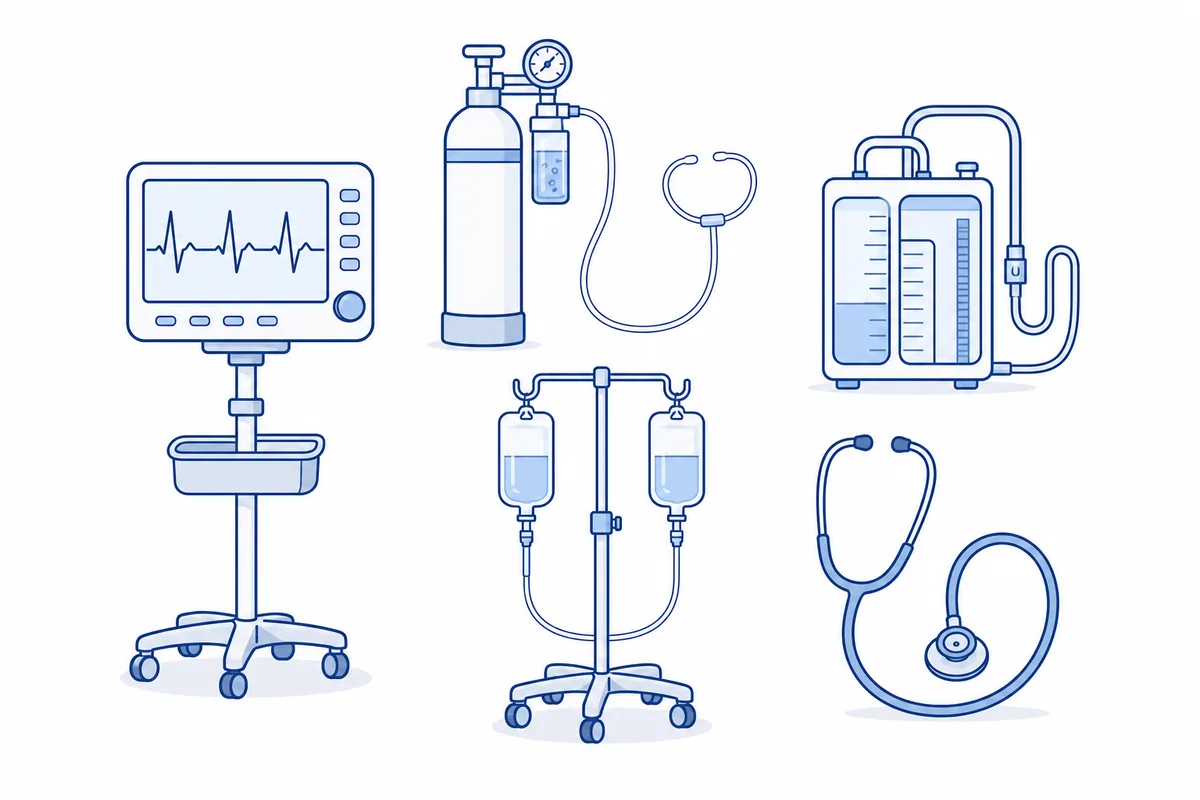
- Ventilator care and alarms, suctioning and ventilator-associated pneumonia prevention
- Chest tubes and other drainage devices, negative-pressure wound therapy and dressing changes
- Acute and chronic illness management: diabetes (DKA and HHS), heart failure, COPD, kidney disease and dialysis, stroke, myocardial infarction, sepsis, liver disease and cancer
- Medical emergencies: increased intracranial pressure, autonomic dysreflexia, thyroid storm, adrenal crisis, preeclampsia and eclampsia, pulmonary embolism, compartment syndrome and malignant hyperthermia
- Unexpected responses to therapy, pacing devices, arterial lines, telemetry, phototherapy and internal monitoring
Sit the full exam under the real clock
85 questions weighted to every client-needs category, three case studies, and a score for Physiological Adaptation so you know where you stand.
Free Physiological Adaptation drillHow to study it
- Pair each electrolyte with its signature finding: hypokalemia with weakness and a flattened T wave or U wave, hyperkalemia with peaked T waves, hypocalcemia with Chvostek and Trousseau signs.
- Chest tube rules: tidaling in the water seal is expected, continuous bubbling is an air leak, and a dislodged tube is covered with a dressing taped on three sides.
- For DKA, fluids come first, insulin next, and potassium is checked and replaced before and during the insulin infusion.
- A ventilator high-pressure alarm means an obstruction (secretions, biting, kinking, coughing); a low-pressure alarm means a leak or disconnection.
Common questions
What is the difference between DKA and HHS?
Diabetic ketoacidosis occurs mostly in type 1 diabetes with glucose usually above 250 mg/dL, ketones, metabolic acidosis and Kussmaul respirations. Hyperosmolar hyperglycemic state occurs mostly in type 2 diabetes with much higher glucose (often above 600 mg/dL), severe dehydration and altered mental status without significant ketosis. Both are treated with fluids, insulin and electrolyte replacement.
What does continuous bubbling in a chest tube water seal mean?
An air leak in the system or from the client’s lung. Gentle rise and fall (tidaling) with breathing is expected; constant bubbling is not. The nurse checks the connections and the insertion site and notifies the health care provider if the leak continues.
What is autonomic dysreflexia?
A life-threatening response in a client with a spinal cord injury at T6 or above: sudden severe hypertension, pounding headache, flushing and sweating above the injury, and bradycardia, usually triggered by a full bladder or bowel. Sit the client up, find and remove the trigger, and treat the blood pressure as ordered.
85 questions weighted to every client-needs category, three case studies, and a score for Physiological Adaptation so you know where you stand.
Free Physiological Adaptation drillMore NCLEX-RN guides
- NCLEX-RN Management of Care
- NCLEX-RN Safety and Infection Prevention and Control
- NCLEX-RN Health Promotion and Maintenance
- NCLEX-RN Psychosocial Integrity
- NCLEX-RN Basic Care and Comfort
- NCLEX-RN Pharmacological and Parenteral Therapies
- NCLEX-RN Reduction of Risk Potential
- NCLEX-RN for internationally educated nurses
- Retaking the NCLEX-RN
- NCLEX-RN practice exam (85 items)
Sources
- NCSBN: 2026 NCLEX-RN Test Plan (effective April 1, 2026)
- NCLEX.com: Test plans
- NCSBN: NCLEX Candidate Bulletin (October 2025): fees, retake policy, exam length and time
- NCSBN: NCLEX registration fee change effective February 1, 2027
- NCSBN: 2025 NCLEX Examination Statistics (volumes and pass rates)
- NCLEX.com FAQs: partial-credit scoring (plus/minus, zero/one, rationale)
- NCSBN: Candidate Performance Report
Original practice questions for exam preparation, written to the 2026 NCLEX-RN Test Plan. Independent practice, not affiliated with or endorsed by the National Council of State Boards of Nursing (NCSBN) or Pearson VUE. NCLEX and NCLEX-RN are registered trademarks of NCSBN.